Discover why your ZZ Plant tips turn transparent and how to fix and prevent this common issue with simple, effective care tips for healthy indoor plants.
Introduction
Noticing your ZZ Plant's tips turning transparent can be worrying, especially if you're invested in maintaining its lush, vibrant foliage. Many indoor gardeners encounter this issue at some point, but don't worry—it's often a sign that something in your plant's environment needs adjustment. With a little patience and proper care, you can restore your ZZ Plant’s health and enjoy its striking, low-maintenance beauty once again.
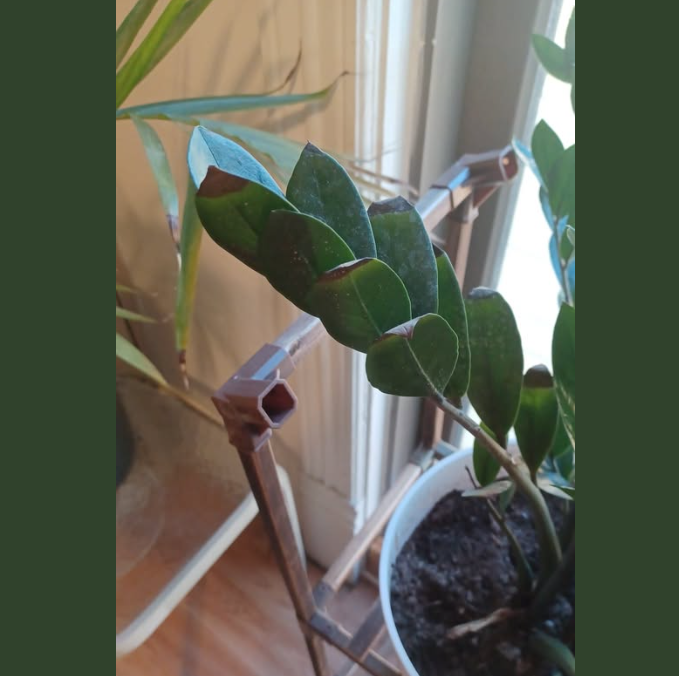
This article will guide you through understanding why your ZZ Plant's tips are turning transparent, how to diagnose the root cause, and practical solutions to revive your plant. Whether you're a beginner or an experienced plant enthusiast, these straightforward tips will help you keep your indoor garden thriving.
Section 1: Understanding the Problem
Visual identification of translucent or brown tips
First, let’s learn how to identify this issue. Healthy ZZ Plant leaves are thick, waxy, and vibrant green. When tips turn transparent or appear brown and translucent, you'll notice:
- Translucent edges or tips: Parts of the leaf look glass-like, almost see-through.
- Browning or crispiness: Sometimes, the tips turn brown or become brittle.
- Uneven damage: Usually, the tips are affected more than the rest of the leaf.
Overview of common causes like overwatering, low humidity, or nutrient deficiencies
Several factors can cause your ZZ Plant tips to turn transparent, including:
- Overwatering: Excess water can stress roots, leading to leaf translucency.
- Low humidity: Dry indoor air causes leaves to dehydrate, resulting in transparency.
- Nutrient deficiencies or salt buildup: Lack of vital nutrients or accumulated salts can damage leaf tissues.
- Sunburn or direct sunlight: Excessive direct light can scorch leaf tips.
- Pest infestations: Certain pests can weaken leaf tissues, leading to transparency. Understanding these causes helps you identify what might be affecting your plant.
Section 2: Diagnosing the Exact Cause
To effectively treat your ZZ Plant's translucent tips, you need to pinpoint the underlying cause. Follow this step-by-step process:
Cause 1: Overwatering leading to root stress and leaf translucency
- Symptoms: Soft, waterlogged soil, foul smell, roots that are brown or mushy.
- Diagnosis: Check soil moisture by feeling the top inch; if overly wet, overwatering is likely.
Cause 2: Low humidity causing leaf dehydration and transparency
- Symptoms: Dry, brittle leaf edges, leaves feeling papery.
- Diagnosis: Observe indoor humidity levels; if below 40%, low humidity is a probable cause.
Cause 3: Nutrient deficiency or salt buildup affecting leaf health
- Symptoms: Yellowing or translucent tips, crusty salt deposits on soil surface.
- Diagnosis: Consider your fertilization routine; excessive fertilizer can cause salt buildup, while deficiencies lead to weak tissues.
How to tell which cause applies to your plant
- Check soil moisture: If soil is soggy, overwatering is the culprit.
- Assess humidity: Use a hygrometer; if levels are low, humidity is likely the issue.
- Examine leaves and soil: Crusty deposits suggest salt buildup; yellowing can indicate nutrient deficiency.
Section 3: Treatment Solutions
Once you've identified the cause, implement targeted actions to improve your ZZ Plant’s health.
Immediate actions: Adjust watering schedule, check soil drainage
- Reduce watering frequency: Let the soil dry out completely between waterings.
- Improve drainage: Ensure your pot has drainage holes; use well-draining soil.
- Remove excess water: Empty saucers and avoid letting the plant sit in water.
Long-term care: Increase humidity, fertilize appropriately, repot if necessary
- Increase humidity: Use a humidifier, place your plant on a tray with pebbles and water, or group it with other plants.
- Fertilize carefully: Use a balanced, diluted houseplant fertilizer during the growing season—once a month is sufficient.
- Repot if needed: If salt buildup is evident, flush the soil with distilled water and consider repotting in fresh soil.
Monitoring recovery: Signs of improvement and when to prune damaged tips
- Watch for new healthy growth: Leaves should regain their firmness and color.
- Prune damaged tips: Use clean scissors to trim dead or severely damaged parts, encouraging new growth.
- Be patient: Recovery may take a few weeks, but consistent care will show results.
Section 4: Prevention Tips
Prevention is key to maintaining a healthy ZZ Plant and avoiding translucent tips in the future.
Establish proper watering routines and avoid overwatering
- Water only when the top inch of soil feels dry.
- Use pots with drainage holes to prevent waterlogging.
Maintain optimal humidity levels with humidifiers or grouping plants
- Aim for humidity levels around 40-60%.
- Group plants together or place a humidifier nearby for consistent moisture.
Use balanced, appropriate fertilization and flush salt buildup periodically
- Fertilize sparingly during active growth.
- Flush the soil with distilled water every few months to remove salt buildup.
Conclusion
Addressing ZZ Plant brown tips turning transparent involves understanding the roles of watering, humidity, and nutrition. By diagnosing the specific cause and applying targeted care, you can restore your plant’s vibrant health. Remember, patience and consistency are essential. With attentive care, your ZZ Plant can recover from translucent tips and flourish beautifully, becoming a stunning centerpiece in your indoor space.
Next Steps
- Review your plant’s current conditions—soil moisture, humidity, fertilization routine.
- Make necessary adjustments based on your diagnosis.
- Monitor your plant’s progress over the coming weeks and continue providing optimal care. Your dedication will pay off as your ZZ Plant regains its lush, resilient beauty!
FAQ
Q: How long until I see improvement after fixing watering or humidity issues?
A: Typically, you can expect to see signs of recovery within 2-4 weeks. New leaves should grow healthy and firm, and existing damaged tips may gradually fade or be pruned away.
Q: Can my ZZ Plant fully recover from translucent tips?
A: Yes, with proper care, most ZZ Plants can fully recover. The key is to address the underlying cause promptly and maintain consistent, appropriate care routines.
Q: Should I prune the damaged tips or leave them to recover naturally?
A: It's best to prune severely damaged or brown tips with clean scissors. This encourages healthy new growth and prevents potential disease or pest issues.
Remember: Your attentive care makes all the difference. Keep observing your ZZ Plant, adjust your care routine as needed, and enjoy watching it thrive again!