Quick Summary: Black spots on your snake plant can be disheartening, but with proper diagnosis and care, you can help your plant recover. Understanding the root cause is key to applying the right treatment, whether it's fungal infections, overwatering, or physical damage. This guide walks you through identifying the problem, fixing it effectively, and preventing future issues—so your snake plant can stay healthy and vibrant.
Introduction
Noticing black spots on your snake plant can make you feel worried—your beautiful, low-maintenance plant suddenly looking unwell is stressful. But rest assured, you're not alone, and this problem is quite common among plant parents. The good news is that black spots are usually manageable once you understand what's causing them, and many plants recover fully with some targeted care. Whether your plant's leaves are riddled with dark patches or just beginning to show trouble, quick action can turn things around. In this article, we'll explore the common causes of black spots on snake plant leaves, how to diagnose what's going on, and step-by-step solutions to restore your plant's health. We'll also share practical prevention tips to keep future issues at bay. With a little patience and care, your snake plant can bounce back and continue to add beauty to your home.
Understanding the Problem
Black spots on snake plant leaves often look alarming but are quite recognizable once you know what to look for. These spots can vary in size and shape—from tiny, circular specks to larger, irregular patches—and may sometimes appear to be spreading. Recognizing these symptoms early is essential because they are often signs of underlying problems that need prompt attention. Some common causes include fungal infections, overwatering leading to root rot, physical injury, or environmental stress. Misdiagnosing these spots as just dirt or minor damage can delay effective treatment, so careful observation is key. Let's break down what these black spots look like and why they develop:
Visual Identification: What Do Black Spots Look Like?
- Small, circular dark patches that can enlarge over time.
- Irregular patches that may feel slightly raised or rough.
- Sometimes, the spots have a fuzzy or mold-like appearance if caused by fungal growth.
- In severe cases, spots may cause leaf tissue to decay or fall off.
Common Causes Overview
- Fungal infections: Often leading to spots with fuzzy edges or mold around the area.
- Overwatering: Creates a moist environment conducive to root rot, which manifests as leaf discoloration and black spots.
- Low light stress: Can weaken the plant, making it more susceptible to infections.
- Physical damage: Bumps or injuries can cause black bruising or necrosis. Understanding these aspects helps you identify whether the spots are caused by disease, watering issues, or physical damage, directly informing your next steps.
Diagnosing the Exact Cause
Proper diagnosis is crucial for effective treatment. Here’s a simple step-by-step way to determine the root cause of the black spots:
Cause 1: Fungal Infection (e.g., Leaf Spot Fungi)
- Symptoms: Black or dark brown spots with fuzzy or moldy growth, often surrounding the leaf tissue.
- How to confirm: Gently scrape the surface of the spot—if fuzzy or moldy growth appears, it’s likely fungal.
- Why it happens: Excess moisture and poor airflow encourage fungal growth.
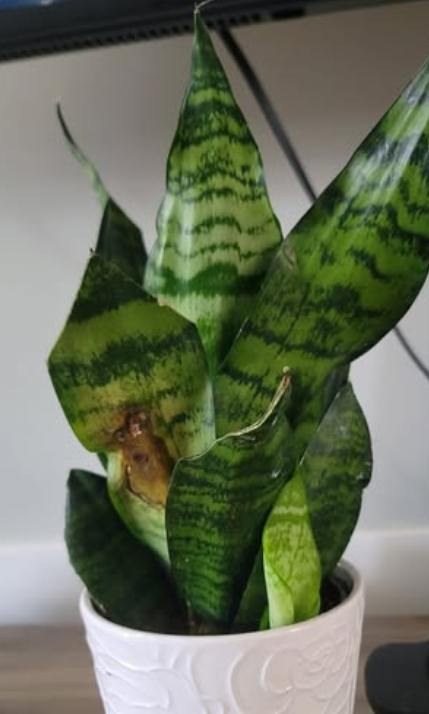
Cause 2: Overwatering and Root Rot
- Symptoms: Soft, mushy roots when examined; yellowing or browning leaf tips; black spots appearing at leaf edges.
- How to confirm: Gently remove the plant from its pot; if roots are brown, slimy, or foul-smelling, overwatering caused root rot.
- Why it happens: Too much water leads to oxygen deprivation in roots, promoting decay.
Cause 3: Physical Injury or Mechanical Damage
- Symptoms: Bruised or necrotic patches resulting from bumps, repotting, or handling.
- How to confirm: Consider recent plant movements, repotting, or accidental bumps.
- Why it happens: Mechanical trauma damages leaf tissues, which may turn black and decay.
How to Tell Which Cause Applies
- Examine the affected leaves closely—are there fuzzy moldy areas? (Fungal)
- Check soil moisture level—soil is soggy or waterlogged? (Overwatering)
- Think about recent handling or bumps—any recent physical trauma? (Damage)
Using this checklist can guide you toward the correct diagnosis so that your treatment is precise and effective.
Treatment Solutions
Once you’ve identified the cause, follow these tailored steps to treat and prevent black spots on your snake plant:
Immediate Actions (First 24-48 Hours)
-
Remove affected leaves:
-
Use clean, sharp pruning shears to cut away any leaves with black spots. Make cuts just above healthy tissue.
- Discard these leaves away from your plant to prevent spreading infection.
-
Reduce watering:
-
Hold off watering for at least a week until you see improvement. Check the top inch of soil—it should be dry before watering again.
-
Improve airflow:
-
Position your plant in a well-ventilated area to reduce humidity and prevent fungal growth.
Long-Term Treatment
- Fungal issues:
- Spray neem oil or use a commercial fungicide specifically formulated for houseplants. Apply according to package instructions, usually every 7-10 days.
- Avoid watering from above; instead, water at the base to keep leaves dry.
- Overwatering and root rot:
- Carefully remove your snake plant from its pot and inspect roots.
- Trim away any mushy, brown, or foul-smelling roots with sterilized scissors.
- Repot in dry, well-draining soil (a cactus or succulent mix works well).
- Ensure the pot has good drainage holes.
- Physical injury:
- Minimize handling and provide gentle support if leaves are damaged.
- Keep plant in a stable environment to prevent future bumps.
Recovery Timeline
- Visible improvement, like the disappearance of black spots and healthy new growth, can take several weeks with consistent care.
- Patience and vigilance will ensure your snake plant recovers fully.
Warning Signs Treatment Isn’t Working
- Spots continue to spread after two weeks of treatment.
- Leaves become more wilted or yellow.
- No new healthy growth appears.
If this happens, re-evaluate your diagnosis or consult a local plant specialist.
Prevention Tips
Prevention is always better than cure. Implement these practices to keep black spots at bay:
- Water wisely: Water only when the top 1-2 inches of soil are dry. Overwatering is the leading cause of fungal issues and root rot.
- Ensure proper drainage: Use pots with drainage holes and well-draining soil to avoid excess moisture.
- Provide bright, indirect light: Snake plants thrive in filtered sunlight or moderate indirect light, which supports healthy growth and resistance.
- Maintain good airflow: Place your plant where air circulates freely—this reduces humidity levels that fungi love.
- Handle with care: Avoid bumping or damaging leaves during repotting or cleaning.
- Monitor regularly: Keep an eye out for early signs of trouble to address issues before they worsen. Following these steps establishes a healthy environment, making your snake plant less susceptible to black spots and other problems.
Frequently Asked Questions
Q: How long until I see improvement after treatment?
A: Typically, you should notice a reduction in black spots and the emergence of new, healthy leaves within 3-6 weeks if care is consistent.
Q: Can black spots go away completely?
A: Yes, if the underlying cause is effectively treated, the spots can fade or be overshadowed by new growth. In some cases, affected leaves may not fully recover, so proactive removal helps.
Q: Should I prune or cut off affected leaves?
A: Yes, removing damaged leaves prevents the spread of fungi and pests. Use sterilized pruning shears and dispose of the cuttings away from your plant.
Q: Is it safe to use chemical fungicides?
A: Many are safe when used as directed, but natural remedies like neem oil or hydrogen peroxide solutions are gentler options for houseplants.
Q: How can I prevent this issue in the future?
A: Maintain proper watering, ensure good airflow, select well-draining soil, and inspect your plant regularly.
Conclusion
Black spots on your snake plant may seem worrying at first glance, but with patience and proper care, they are entirely manageable. Recognize the visual cues and diagnose whether your plant suffers from fungal infection, overwatering, or physical injury. Apply targeted treatments—such as pruning affected leaves, adjusting watering habits, and using natural fungicides—and practice prevention strategies to keep your plant healthy. Key Takeaways:
- Accurately identify the cause of black spots to treat them effectively.
- Remove affected leaves and improve environmental conditions immediately.
- Adjust your watering schedule and ensure proper drainage to prevent recurrence.
- Regular monitoring and gentle handling can keep your snake plant thriving for years to come. Don’t be discouraged—most issues are temporary, and with attentive care, your beloved snake plant can recover beautifully. Start by inspecting your plant today, and take the first step toward its revitalization!