Discover why your Fiddle Leaf Fig's bottom leaves are curling and learn simple, effective solutions to restore health and prevent future issues.
Introduction
Noticing your Fiddle Leaf Fig's bottom leaves curling can be concerning, especially if you're dedicated to keeping your indoor garden thriving. It’s a common issue among plant enthusiasts, both beginners and seasoned growers, and often signals that something needs attention. But don’t worry—this problem is usually manageable once you understand the underlying causes.
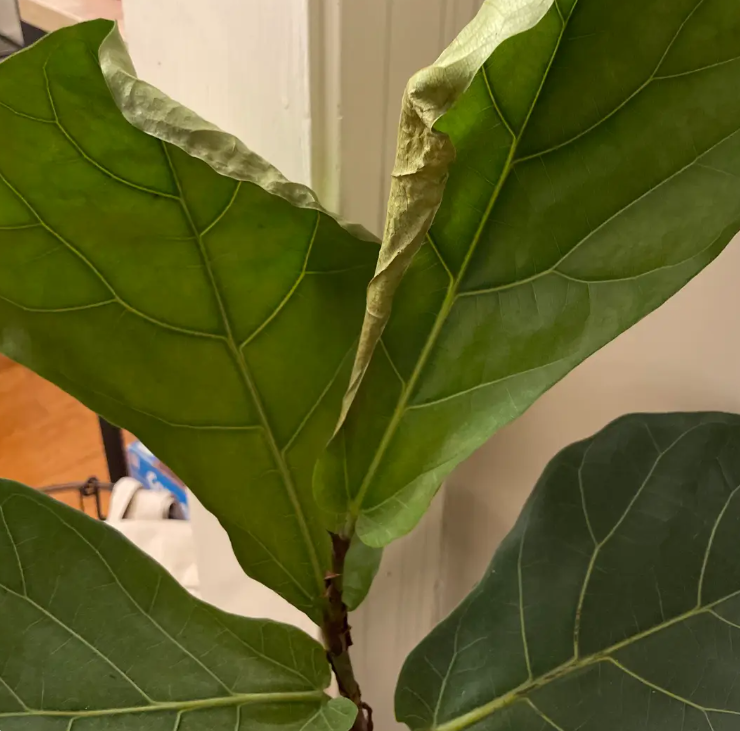
This article will guide you through identifying why your Fiddle Leaf Fig’s bottom leaves are curling, how to diagnose the exact issue, and most importantly, practical solutions to help your plant recover. With a little patience and care, your Fiddle Leaf Fig can regain its lush, healthy appearance.
Section 1: Understanding the Problem
Visual Identification — What Curling Looks Like
Curling leaves on a Fiddle Leaf Fig often appear as edges turning inward or downward. You might notice the leaf margins folding or the entire leaf slightly shriveling. Sometimes, the bottom leaves are the first to show signs of distress, which can take the form of:
- Edges curling inward, creating a rolled appearance
- Leaves drooping or sagging
- Discoloration or browning at the tips or edges
- Slight wrinkling or puckering Recognizing these signs early helps you catch the problem before it worsens.
Common Causes Overview — Environmental Stress, Watering Issues, Pests, and Diseases
Several factors can cause curling leaves on a Fiddle Leaf Fig, including:
- Environmental stress: sudden changes in light, temperature, or drafts
- Watering problems: overwatering or underwatering
- Pest infestations: spider mites, aphids, or other pests damaging the leaves
- Diseases: fungal or bacterial infections affecting leaf health Understanding these causes allows you to narrow down the root problem and apply targeted fixes.
Section 2: Diagnosing the Exact Cause
Follow These Steps to Determine What’s Causing the Curling Leaves
Accurate diagnosis is key to effective treatment. Here are steps to pinpoint the cause:
Cause 1: Overwatering or Poor Drainage
Overwatering leads to root stress, oxygen deprivation, and ultimately, leaf curling. Check if your soil feels consistently wet or soggy. Root rot may be present if you notice a foul smell or discoloration at the soil surface.
Cause 2: Underwatering or Dehydration
Dry, crispy soil and leaves that feel limp or brittle suggest underwatering. The plant may curl its leaves as a stress response to conserve moisture.
Cause 3: Pest Infestation
Inspect the underside of leaves and stems for tiny pests like spider mites or aphids. Look for webbing, small moving specks, or sticky residue. Pests damage plant tissues and cause curling and discoloration.
How to Tell Which One It Is
- Check soil moisture: stick your finger about an inch into the soil. If it’s dry, underwatering is likely.
- Inspect for pests: use a magnifying glass if needed, and look for tiny insects or webbing.
- Observe watering habits: review your watering schedule—are you watering too frequently or too little? By combining these observations, you can determine whether overwatering, underwatering, pests, or a combination are causing the curling leaves.
Section 3: Treatment Solutions
Immediate Actions to Take
- Adjust watering: if soil is waterlogged, reduce watering and ensure proper drainage. If soil is dry, water thoroughly but avoid overdoing it.
- Inspect and treat pests: use insecticidal soap or neem oil to eliminate pests. Wipe leaves gently and isolate the plant if needed.
- Improve humidity: if leaves are dry and curling due to low humidity, increase ambient moisture with a humidifier or mist the leaves regularly.
Long-term Treatment Plan
- Proper watering techniques: water only when the top inch of soil feels dry. Use pots with drainage holes to prevent water buildup.
- Ensure good drainage: add perlite or sand to the soil mix if necessary, and avoid letting the plant sit in standing water.
- Maintain optimal humidity: Fiddle Leaf Figs thrive in 40-60% humidity. Regular misting or placing a water tray nearby can help.
- Provide adequate light: bright, indirect light is ideal. Avoid sudden changes in placement or drafts.
What to Expect During Recovery
As you implement these fixes, you should notice gradual improvements. The curling edges will start to relax, and new, healthy leaves may emerge. Patience is key—full recovery can take several weeks, but consistent care will restore your plant’s vitality.
Section 4: Prevention Tips
Care Routine Adjustments
- Water consistently: establish a regular watering schedule based on soil moisture.
- Use proper soil and containers: well-draining soil and pots with drainage holes prevent waterlogging.
- Fertilize appropriately: during the growing season, use a balanced houseplant fertilizer every 4-6 weeks.
Environmental Factors to Monitor
- Humidity: keep humidity levels stable with humidifiers or pebble trays.
- Lighting: place your Fiddle Leaf Fig in bright, indirect light, avoiding direct sun or drafts.
- Temperature: maintain a consistent temperature between 65-75°F (18-24°C). Avoid sudden temperature drops or cold drafts. Regularly inspecting your plant and adjusting its environment can prevent curling leaves and keep your Fiddle Leaf Fig thriving.
Conclusion
By understanding the causes and following proper care routines, you can effectively address curling bottom leaves in your Fiddle Leaf Fig. Whether it’s adjusting watering habits, managing pests, or optimizing environmental conditions, each step brings you closer to a healthier, more resilient plant. Remember, don’t worry—your plant’s health can be restored with patience and attentive care. Start by diagnosing the root cause, apply the recommended solutions, and monitor your Fiddle Leaf Fig’s progress. With consistent effort, your beautiful indoor plant will bounce back and continue to enhance your space.
FAQ
Q: How long until I see improvement after treatment?
A: Typically, you should begin to notice signs of recovery within a few weeks. New leaves may emerge, and existing curled leaves may gradually straighten as the plant heals. Consistency in care is essential for optimal recovery.
Q: Will my Fiddle Leaf Fig fully recover from leaf curling?
A: Yes, with proper diagnosis and care, most curling leaves can recover fully. Keep in mind that severely damaged or brown leaves may not return to their original state, but new healthy growth will replace them.
Q: Should I prune the curled leaves or leave them?
A: If the curling leaves are severely damaged, yellowed, or brown, it's best to prune them to redirect the plant’s energy to healthy growth. Use clean, sharp scissors or pruning shears and make clean cuts just above a node or leaf stem.
Take action today by checking your plant’s environment and watering habits, and enjoy the process of helping your Fiddle Leaf Fig flourish once again!