Struggling with Peace Lily leaf drop? Discover causes, diagnostics, and effective remedies to revive your plant and prevent future problems. Having a lush, healthy Peace Lily is a rewarding experience, but nothing is more disheartening than seeing its vibrant leaves start to drop unexpectedly. Leaf drop can be a sign that something isn’t quite right with your plant’s environment or care routine. The good news is that, with a little patience and understanding, you can often fix the issue and restore your Peace Lily to health. In this comprehensive guide, we’ll walk through why your Peace Lily might be losing leaves, how to diagnose the specific cause, and the simple yet effective solutions you can implement today. With some attentive care, your Peace Lily can bounce back stronger and greener than ever.
Section 1: Understanding the Problem
Visual Identification of Leaf Drop and Its Stages
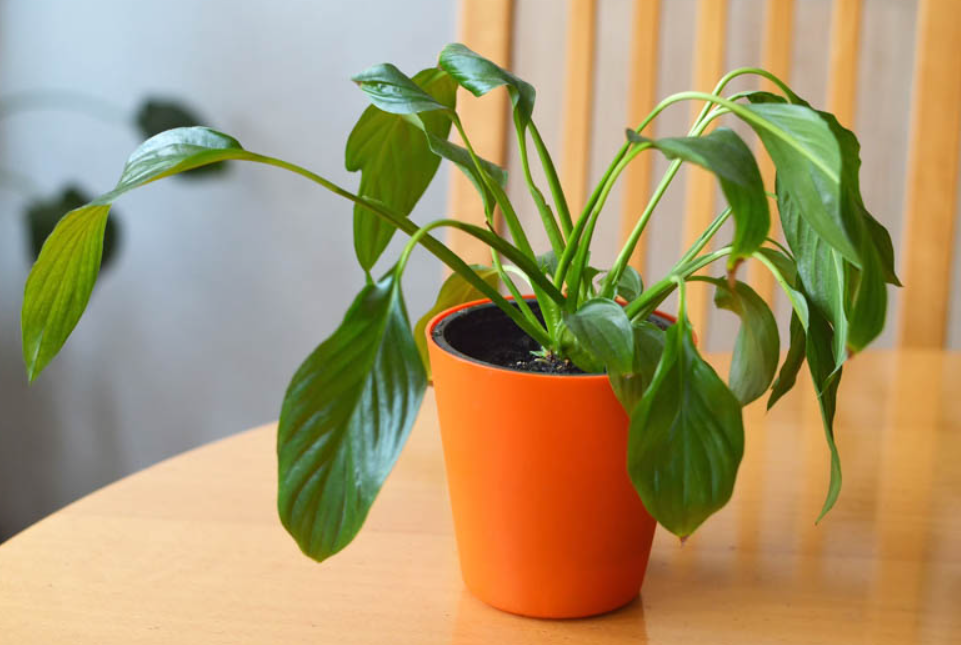
Leaf drop in a Peace Lily usually manifests as tender, green leaves turning yellow or brown and falling off, or older leaves gradually withering away. Sometimes, you might notice a sudden shedding of several leaves, while other times, the process is gradual. Recognizing these signs early allows you to address underlying issues before your plant becomes severely stressed. Stages of leaf drop include:
- Minor yellowing and wilting: an early alarm that something’s amiss.
- Progressive leaf browning and shedding: indicates ongoing problems.
- Complete loss of certain leaves: a sign of significant environmental stress.
Common Causes: Overview
Most cases of Peace Lily leaf drop stem from a handful of common issues, often related to watering habits, environmental conditions, or sudden changes:
- Overwatering: leading to root rot and soggy soil.
- Underwatering: causing dehydration and leaf tan or crispness.
- Drafts and low humidity: drying out leaves prematurely.
- Temperature fluctuations or drafts: stressing the plant.
- Lighting issues: too much direct sun or sudden changes in light exposure. Understanding which of these might be affecting your plant can help you target the right solution.
Section 2: Diagnosing the Exact Cause
Follow a Step-by-Step Process
To effectively fix Peace Lily leaf drop, it's essential to identify the root cause. Here’s a simple diagnostic process:
Cause 1: Overwatering or Poor Drainage
- Check the soil moisture: Insert your finger about an inch into the soil. If it feels soggy or waterlogged, overwatering is likely the culprit.
-
Examine the roots: Remove the plant gently from its pot. Healthy roots are white and firm, while rotted roots appear brown and slimy.
-
Look for foul odor: A bad smell is a sign of root rot.
Cause 2: Low Humidity or Drafts
- Assess your environment: Is your Peace Lily near a heating vent, air conditioner, or a drafty window? These can dry out the leaves.
- Humidity levels: If your home is dry, especially during winter, your plant might be suffering from dehydration.
Cause 3: Sudden Changes in Light or Temperature
- Recent adjustments: Have you moved your plant to a new spot or altered your indoor lighting? Sudden changes can shock the plant.
- Temperature fluctuations: Peace Lilies prefer stable temperatures between 65-80°F (18-27°C).
How to Tell Which Cause Applies
Pay attention to your plant’s environment and inspect the roots if possible. For example:
- Soggy, odorous soil points to overwatering.
- Dry, brown leaf tips near drafts suggest low humidity or drafts.
- Recent relocation or increased sunlight may be causing stress.
Section 3: Treatment Solutions
Immediate Actions
Once you’ve diagnosed the cause, take targeted steps:
- Overwatering:
- Remove excess water from the pot saucer.
- Repot your Peace Lily in well-draining soil if necessary.
- Let the soil dry out slightly before watering again, typically once the top inch feels dry.
- Low humidity:
- Increase humidity by placing a humidifier nearby.
- Use a pebble tray filled with water beneath the plant—just ensure the pot isn’t sitting directly in water.
- Drafts and temperature swings:
- Move your plant to a more stable location away from vents, windows, or air conditioning units.
- Keep the room temperature consistent.
Long-Term Care
To keep your Peace Lily thriving and prevent future leaf drop:
- Maintain a consistent watering schedule: Water only when the top inch of soil feels dry.
- Enhance humidity: Regular misting or using a humidifier can help.
- Avoid environmental stress: Keep the plant in a spot with stable temperatures and indirect light.
- Proper lighting: Peace Lilies prefer bright, indirect sunlight. Too much direct sun can scorch the leaves, while too little light can weaken the plant.
Recovery Expectations
Depending on the severity of the leaf loss, visible improvement can take anywhere from a few weeks to a couple of months. Watch for new, healthy leaves emerging as a sign of recovery.
Section 4: Prevention Tips
Prevention is always better than cure. Here are simple routines and adjustments to keep your Peace Lily healthy:
- Regular watering: Check soil moisture regularly and water only when necessary.
- Humidity control: Use a humidifier or pebble tray, especially in dry winter months.
- Minimize drafts: Keep the plant away from vents, open windows with strong drafts, or AC units.
- Consistent lighting: Place your Peace Lily in bright, indirect light. If natural light is limited, consider grow lights.
- Stable environment: Avoid moving the plant around frequently or making sudden changes in lighting or temperature.
Conclusion
In summary, leaf drop in a Peace Lily often results from environmental stressors such as overwatering, low humidity, drafts, or sudden changes. However, these issues are typically manageable with proper diagnosis and care adjustments. Remember, patience is key—your plant needs time to recover. With attentive care, your Peace Lily can bounce back healthier and more vibrant. Monitor its environment carefully, follow the diagnostic steps outlined here, and implement the recommended remedies. Soon, your plant will reward you with lush, beautiful foliage once again. Happy planting! Your green journey is just beginning—and with the right knowledge, you can nurture a thriving Peace Lily that brings serenity and beauty into your home.
FAQ
Q: How long until I see improvement after fixing the issue?
A: Typically, you can expect to see signs of recovery within a few weeks. New leaves may start to emerge, and existing foliage will appear healthier. Consistency in care is vital during this period.
Q: Can my Peace Lily fully recover from leaf drop?
A: Yes, with proper care, a Peace Lily can fully recover. While lost leaves won’t grow back, healthy new growth will develop if environmental factors are corrected.
Q: Should I prune the fallen leaves or any damaged parts?
A: Yes, removing yellow, brown, or damaged leaves helps redirect the plant’s energy toward new, healthy growth. Use clean, sharp scissors to prune at the base of the leaf stem.
Remember, caring for your Peace Lily involves understanding its needs and creating a stable, nurturing environment. Troubleshooting leaf drop may seem daunting at first, but with patience and perseverance, you’ll enjoy a lush, thriving indoor garden.