Discover why your ZZ plant develops black spots on stems, learn diagnosis steps, treatments, and prevention tips to restore its health and beauty.
Introduction
Noticing black spots on your ZZ plant's stems can be worrying—you're not alone. Many plant enthusiasts, especially beginners, encounter this common issue and wonder what’s wrong. The good news is that black spots on ZZ plant stems are often manageable with proper care and timely intervention.
This article will guide you through understanding why these spots appear, how to accurately diagnose the cause, and most importantly, how to treat and prevent future problems. With a little patience and attentive care, your ZZ plant can recover beautifully. Let’s dive in!
Section 1: Understanding the Problem
Visual identification: What do black spots look like?
Black spots on ZZ plant stems can vary in appearance. They might look like small, round, dark patches or larger, irregularly shaped black areas. Sometimes, these spots are raised or sunken, dry or wet, and may have a fuzzy or slimy texture.
Key indicators:
- Color: Deep black or dark brownish-black
- Texture: Dry and crusty or moist and soft
- Location: Usually on the stems, near nodes, or along the length of the stem
Common causes overview
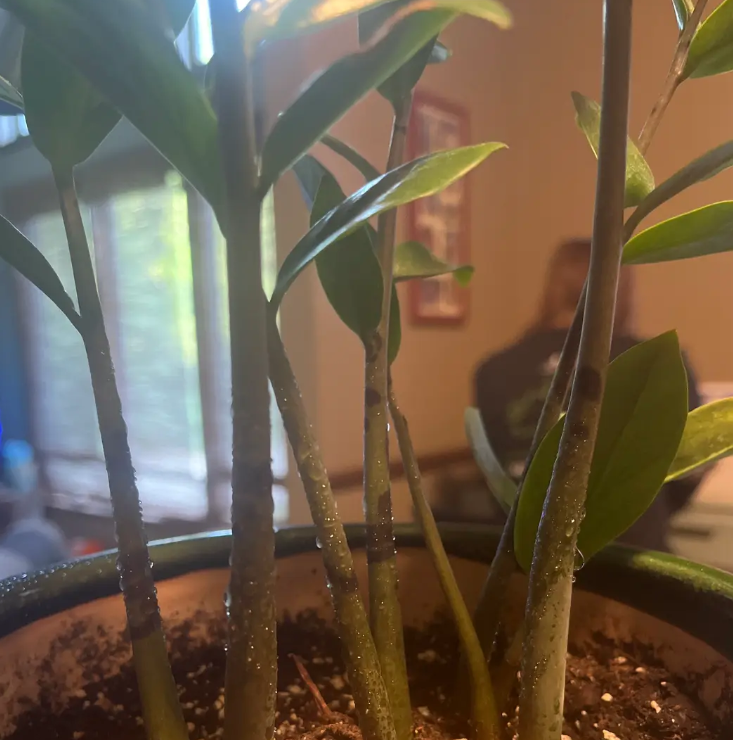
Black spots are often signs of underlying issues such as:
- Fungal infections (e.g., stem rot or leaf spot diseases)
- Overwatering, leading to stem decay
- Physical damage from handling or accidental injury
- Stem rot caused by bacterial or fungal pathogens Understanding these causes is crucial for effective treatment. Let’s explore how to diagnose the exact reason behind the black spots.
Section 2: Diagnosing the Exact Cause
Step-by-step diagnostic process
Accurate diagnosis involves observing the plant carefully, checking the soil, and assessing overall health. Here’s how to proceed:
Cause 1: Fungal infections such as stem rot or leaf spot diseases
- Signs: Soft, mushy stems with blackened areas; fuzzy mold or mildew might be visible.
- How to identify: Check if the black spots are accompanied by a foul smell or fuzzy growth, indicating fungal presence.
Cause 2: Overwatering leading to stem decay
- Signs: Black spots often appear on stems that are soft, soggy, or discolored.
- How to identify: Inspect the soil moisture—overly wet soil, slow-draining potting mix, or waterlogged roots point toward overwatering as the culprit.
Cause 3: Physical injury or stem damage
- Signs: Black spots localized at the site of injury, possibly with a scar or wound visible.
- How to identify: Recall recent handling, repotting, or accidental knocks that could have damaged the stem.
How to tell which cause it is
- Inspect the spots: Are they soft or firm? Are they accompanied by mold or a foul odor?
- Check soil moisture: Is the soil constantly wet or soggy?
- Assess plant health: Are the stems mushy or firm? Are there other signs of distress like yellowing leaves or drooping? A precise diagnosis ensures you choose the right treatment approach.
Section 3: Treatment Solutions
Immediate actions
Once the cause is identified, act promptly:
- Remove affected stems: Using sterilized pruning shears, cut away blackened or mushy parts just above healthy tissue.
- Adjust watering: Allow the soil to dry out completely before watering again, and ensure proper drainage.
- Apply treatment: For fungal infections, lightly dust the cut areas with cinnamon or apply a fungicide suitable for houseplants.
Long-term treatment plan
- Use fungicides: Products containing neem oil or neem-based fungicides are effective against fungal pathogens.
- Improve airflow: Place your ZZ plant in a well-ventilated area to prevent excess humidity.
- Establish proper watering routines: Water only when the top inch of soil feels dry, and avoid letting the plant sit in water.
What to expect during recovery
- Signs of healing: New healthy growth indicates successful treatment.
- Regrowth: Over time, the plant will produce fresh stems and leaves if kept in optimal conditions. Patience is key—most ZZ plants can recover fully with consistent care.
Section 4: Prevention Tips
Care routine adjustments
- Water carefully: Water only when the soil is dry, and use pots with drainage holes.
- Prune regularly: Remove dead or damaged stems promptly to prevent the spread of disease.
- Sanitize tools: Always disinfect pruning shears and pots to avoid transferring pathogens.
Environmental factors to monitor
- Maintain proper humidity: ZZ plants prefer moderate humidity; avoid excessive moisture.
- Ensure good airflow: Position your plant where it receives good ventilation.
- Use healthy soil: Replenish soil annually or biannually with fresh, well-draining potting mix. Implementing these tips will significantly reduce the chances of black spots reappearing.
Conclusion
Recap of key points
Black spots on ZZ plant stems are often caused by fungal infections, overwatering, or physical injury. Proper diagnosis involves inspecting the spots, checking soil moisture, and assessing overall plant health. Effective treatment includes removing affected parts, adjusting watering routines, and applying fungicides if necessary. Preventive measures focus on proper watering, sanitation, and environmental control.
Encouragement
Remember, with attentive care and prompt action, your ZZ plant can recover and regain its vibrant beauty. Don’t lose hope—plants are resilient, and your efforts will pay off!
Next steps
- Observe your ZZ plant regularly for early signs of trouble.
- Implement the recommended treatment and prevention strategies.
- Enjoy the process of caring for and nurturing your indoor garden. Your beloved ZZ plant will thank you with lush, healthy stems and stunning foliage.
FAQ
Q: How long until I see improvement after treatment?
A: Typically, you should notice signs of recovery within a few weeks. New, healthy stems and leaves will start emerging as the plant heals. Ensure consistent care, including proper watering and environmental conditions.
Q: Will my ZZ plant fully recover from stem rot?
A: Mild stem rot can often be cured if caught early. Remove all affected parts, improve drainage, and avoid overwatering. Severe decay might require more extensive pruning; in some cases, affected stems may not recover fully but the plant can still thrive with new growth.
Q: Should I prune all affected stems or just the spots?
A: Prune only the visibly affected parts, cutting just above healthy tissue. Removing all compromised stems helps prevent the spread of disease and encourages new, healthy growth.
If your ZZ plant develops black spots on stems, don’t panic. With careful diagnosis, prompt treatment, and good cultural practices, you can restore your plant’s health and enjoy its lush beauty once again!