Discover why your Pothos leaves droop and learn effective troubleshooting, treatment, and prevention tips to revive your indoor plant health.
Introduction
Noticing your Pothos leaves drooping can be quite alarming, especially if you’ve been caring for your plant with love and attention. It’s easy to feel worried when your green friend begins to look wilted or less vibrant. But don’t worry—drooping leaves are often a sign that something needs your attention and are usually fixable with the right care. Understanding the underlying causes of drooping leaves allows you to intervene promptly and help your Pothos bounce back. In this article, we’ll explore the common reasons behind this issue, how to diagnose the problem accurately, practical solutions to revive your plant, and tips to prevent future drooping. With a little patience and some simple adjustments, your Pothos can regain its health and lushness.
Section 1: Understanding the Problem
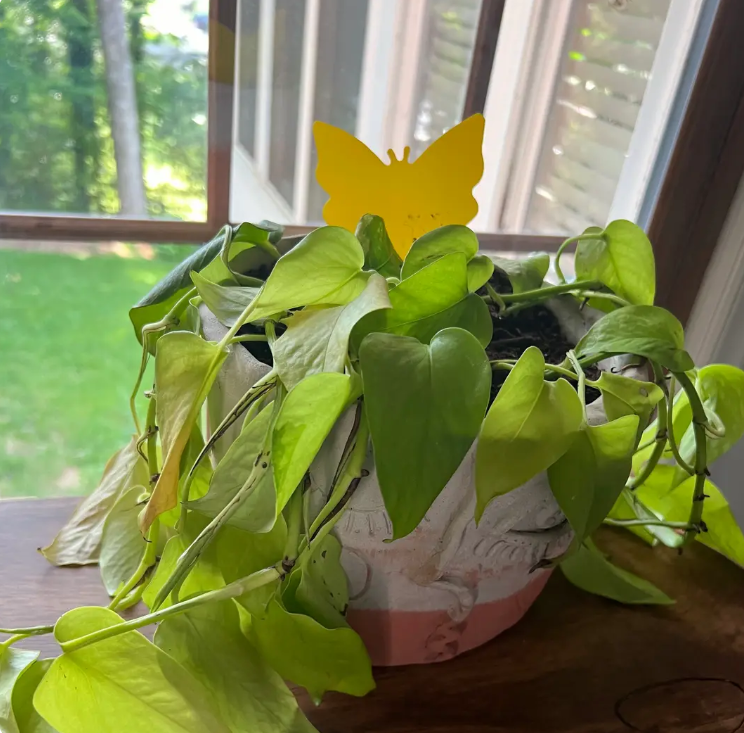
Visual identification of drooping leaves
Drooping Pothos leaves are typically characterized by:
- A soft, limp appearance
- Slight curling or sagging
- Loss of turgor (firmness)
- Often, the leaves may look pale or dull if the plant is stressed These signs usually appear on the lower or older leaves first but can affect the whole plant if left untreated.
Common causes: overwatering, underwatering, environmental stress, or root issues
Several factors can cause drooping, often overlapping. The most common include:
- Overwatering: Excess water can suffocate roots, leading to root rot, which weakens the plant’s ability to uptake water.
- Underwatering: If the soil is too dry, the plant becomes dehydrated and the leaves lose turgor.
- Environmental stress: Sudden changes in temperature, drafts, or low humidity can cause stress.
- Root issues: Compact soil, pests, or disease can impair root health, affecting the plant’s water absorption.
Section 2: Diagnosing the Exact Cause
Follow a step-by-step process to determine what's leading to drooping in your Pothos
Accurate diagnosis is key to effective treatment. Here’s how you can identify the cause:
Cause 1: Overwatering and root rot
- Check the soil moisture: Insert your finger about an inch into the soil. If it feels wet and soggy, overwatering is likely.
- Inspect the roots: Gently remove the plant from its pot and examine the roots. Healthy roots are white and firm; brown, black, or mushy roots indicate root rot.
Cause 2: Underwatering and dehydration
- Soil dryness: The soil is dry to the touch, and leaves feel weak or crispy.
- Leaf condition: Leaves may appear limp and pale, lacking vitality.
Cause 3: Insufficient light or environmental stress
- Light levels: Pothos prefers bright, indirect light. A sudden move to a darker corner or near a drafty window can cause drooping.
- Environmental changes: Temperature fluctuations or low humidity (common indoors in winter) can stress the plant.
How to tell which cause fits your situation
Observation is crucial. Look at the soil moisture and root condition. Is the soil wet or dry? Are the roots healthy? Also, consider recent changes to your plant’s environment, like relocation or temperature shifts. Combining these clues will help you identify the root cause accurately.
Section 3: Treatment Solutions
Immediate actions: watering adjustments, pruning, repositioning
Based on your diagnosis, implement targeted solutions:
- Overwatering: Allow the soil to dry out completely before watering again. Remove any rotten roots during repotting and replace with fresh, well-draining soil.
- Underwatering: Water thoroughly, ensuring excess drains out. Keep the soil consistently moist but not waterlogged.
- Environmental stress: Reposition your Pothos to a spot with bright, indirect sunlight. Avoid drafts and sudden temperature changes.
Long-term care plan: consistent watering schedule, proper lighting, soil checking
Establish routines to prevent issues:
- Water when the top inch of soil feels dry.
- Place your Pothos in bright, indirect light.
- Use well-draining potting mix to prevent waterlogging.
- Maintain humidity levels if your indoor air is very dry, using a humidity tray or misting occasionally.
What to expect during recovery—regrowth and health improvement
With proper care, drooping leaves will gradually straighten as the plant rehydrates and recovers. New, healthy leaves will emerge, signaling your Pothos is regaining strength. Patience is essential—most plants need a few weeks to bounce back fully.
Section 4: Prevention Tips
Adopt care habits that prevent drooping and promote healthy growth
Prevention is better than cure. Here are key habits to keep your Pothos thriving:
Adjust watering routines and humidity levels
- Use a moisture meter or finger test to determine when to water.
- Keep humidity levels around 40–60%, especially in winter when indoor air is dry.
Ensure suitable lighting and temperature conditions
- Place your Pothos in bright, indirect light—avoid direct sunlight that can scorch leaves.
- Maintain indoor temperatures between 65°F-85°F (18°C-29°C). Avoid sudden drafts and cold spots.
Regularly check roots and soil health
- Periodically inspect the roots by gently removing the plant from its pot (every 6-12 months).
- Refresh soil if it becomes compacted or depleted of nutrients.
Conclusion
Drooping Pothos leaves are a sign that your plant needs your attention—whether due to watering issues, environmental stress, or root health. The good news is that with careful observation and targeted care, your Pothos can recover and continue to flourish. Remember, patience and consistency are your best allies in indoor plant care. Start troubleshooting today by assessing your plant’s watering and lighting conditions, then apply the appropriate solutions. With love and proper care, your Pothos will soon regain its lush, vibrant appearance and remain a beautiful part of your indoor garden.
FAQ
Q: How long until I see improvement after adjusting watering?
A: Typically, you can expect to see signs of recovery within 1 to 3 weeks. Fresh, upright leaves may appear, and overall plant vigor should improve as roots recover and hydration levels stabilize. Consistency in watering and care is essential during this period.
Q: Is it normal for drooping leaves to recover fully?
A: Yes, drooping leaves often recover fully, especially if they are not severely damaged or dead. However, if leaves are permanently damaged or have turned brown, they may not improve, and pruning can help redirect energy to healthy growth.
Q: Should I prune drooping or dead leaves to help recovery?
A: Absolutely. Removing wilted, yellow, or dead leaves encourages new healthy growth and prevents potential disease spread. Use clean pruning shears, and make cuts just above a leaf node for best results.
By paying close attention to your Pothos and providing consistent, appropriate care, you'll help ensure your plant remains healthy, vibrant, and a beautiful addition to your indoor space. Happy gardening!