Learn how to identify, diagnose, and treat transparent leaf drop in your Fiddle Leaf Fig with practical tips to restore health and prevent future issues.
Introduction
Noticing your Fiddle Leaf Fig's leaves turning transparent and dropping can be quite alarming. As a plant enthusiast, you want to do everything possible to keep your green friend healthy and thriving. But don’t worry—this is a common issue, and with some understanding and care adjustments, your plant can recover beautifully.
In this article, we’ll explore why your Fiddle Leaf Fig's leaves turn transparent and drop, how to diagnose the exact cause, and the best treatment strategies to bring your plant back to vitality. Whether you're a beginner or have some experience, you'll find practical advice to help your plant flourish again.
Section 1: Understanding the Problem
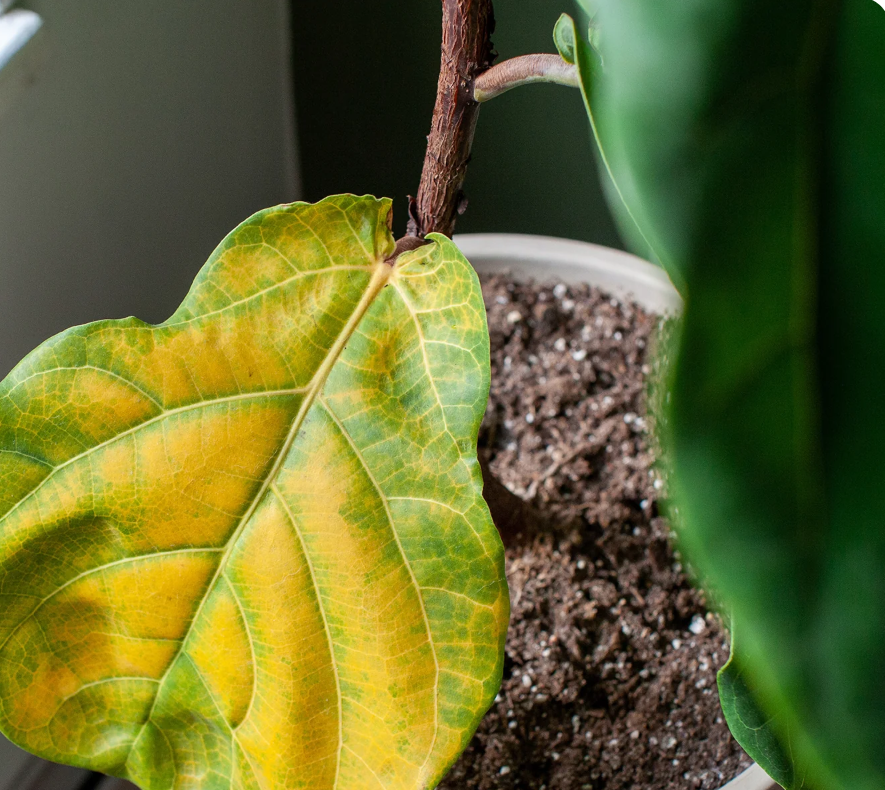
Visual Identification: What Does Transparent Leaf Drop Look Like?
When your Fiddle Leaf Fig’s leaves start turning transparent, you'll notice:
- Leaves becoming thin, papery, and almost see-through
- Leaves may look wilted or droopy
- Dropping leaves, especially from the lower or older parts of the plant
- Possible browning around the edges before transparency develops This transparency is a sign that the leaf tissue is deteriorating, often caused by underlying stress or damage.
Common Causes Overview
Several factors can lead to transparent leaf drop:
- Overwatering: Root rot impairs nutrient and water uptake, causing leaf tissue to break down.
- Underwatering: Drought stress causes leaves to dry out and turn transparent.
- Low Humidity: Dry indoor air can dehydrate leaves, especially in winter.
- Drafts or Sudden Temperature Changes: Cold drafts can shock the plant, leading to leaf damage.
- Improper Light: Too much direct sunlight or insufficient light can stress the plant, affecting leaf health. Recognizing these causes is key to addressing the problem effectively.
Section 2: Diagnosing the Exact Cause
Follow These Steps to Pinpoint the Root Cause
Cause 1: Overwatering
- Check the soil moisture by inserting your finger about 2 inches deep. If the soil feels soggy or waterlogged, overwatering is likely the culprit.
-
Look for signs of root rot: foul smell, dark, mushy roots when you gently remove the plant from its pot. Cause 2: Underwatering
-
If the soil feels dry and crumbly, and the leaves are dry and crispy, underwatering might be the cause.
-
The plant may also appear droopy and lack turgidity. Cause 3: Low Humidity or Drafts
-
Observe your environment: Is your home particularly dry, especially in winter?
- Feel around the plant for drafts from windows, vents, or air conditioners.
How to Tell Which Cause Applies to Your Plant
- Soil Moisture: Use your finger or a moisture meter to assess watering needs.
- Light Levels: Check if your plant is receiving sufficient indirect bright light; too little can cause stress, too much direct sunlight can scorch leaves.
- Environmental Conditions: Monitor humidity levels with a hygrometer and inspect for drafts or temperature fluctuations. By systematically checking these factors, you can determine what’s stressing your Fiddle Leaf Fig and causing leaf transparency and drop.
Section 3: Treatment Solutions
Immediate Actions
- Adjust Watering Schedule:
- For overwatering, allow the soil to dry out completely before watering again. Ensure your pot has good drainage.
- For underwatering, water thoroughly until excess drains out, then let the topsoil dry before next watering.
- Relocate to a Brighter Spot:
- Move your plant to a location with bright, indirect light. If it's too close to direct sun, use sheer curtains to diffuse the light.
- Increase Humidity:
- Use a humidifier in dry environments.
- Place the pot on a tray filled with pebbles and water—ensure the bottom of the pot isn’t sitting directly in water.
Long-term Treatment Plan
- Proper Watering Techniques:
- Water only when the top inch of soil feels dry.
- Use pots with drainage holes to prevent water accumulation.
- Consistent Light Exposure:
- Position your Fiddle Leaf Fig near east- or south-facing windows, using curtains if necessary to avoid harsh direct sunlight.
- Maintain Humidity:
- Regularly mist the leaves or keep a humidifier nearby to replicate a tropical environment.
What to Expect During Recovery
- You should see gradual improvement: leaves will regain their firmness, and new, healthy growth will emerge.
- Be patient—recovery can take several weeks, but consistent care will reward you with a vibrant, healthy plant.
Section 4: Prevention Tips
Care Routine Adjustments
- Establish a Regular Watering Schedule based on soil moisture rather than a fixed timetable.
- Fertilize Monthly with a balanced, diluted houseplant fertilizer to support healthy growth.
- Prune affected leaves to encourage new growth and improve overall plant health.
Environmental Monitoring
- Light: Ensure your Fiddle Leaf Fig gets plenty of bright, indirect light.
- Humidity: Aim for 50-60% humidity; use humidifiers or pebble trays as needed.
- Avoid Drafts and Temperature Fluctuations: Keep your plant away from vents, open windows during cold weather, and sudden heat sources. Regularly inspecting your plant’s environment and adjusting care routines can prevent future issues like leaf drop and transparency.
Conclusion
Recap
To address your Fiddle Leaf Fig’s leaf drop turning transparent:
- Identify the cause—whether it’s overwatering, underwatering, low humidity, or improper lighting.
- Implement targeted solutions: correct watering practices, optimize lighting, increase humidity, and avoid drafts.
- Maintain consistent care to support recovery and prevent recurrence.
Encouragement
Remember, with patience and attentive care, your Fiddle Leaf Fig can bounce back from leaf transparency and drop. Plants are resilient, and your efforts will help restore its health and beauty.
Next Steps
Start by assessing your plant’s environment and making small adjustments—perhaps move it to a brighter spot or check your watering routine. Over time, you’ll see your plant regain its lush, vibrant foliage.
FAQ
Q: How long until I see improvement after fixing watering or light issues?
A: Typically, you can expect to see signs of recovery within 2 to 4 weeks. New growth and healthier leaves indicate your plant is adapting to the improved conditions. Be patient and consistent with your care.
Q: Can my Fiddle Leaf Fig fully recover from leaf transparency and drop?
A: Yes. With proper diagnosis and care adjustments, most Fiddle Leaf Figs can recover completely, regaining lush foliage and vibrant leaves. Sometimes, severely damaged leaves may not recover but new healthy growth will replace them.
Q: Should I prune the affected leaves or wait for new growth?
A: It’s best to prune damaged or dead leaves to improve air circulation and encourage new growth. Use clean, sharp scissors or pruning shears, and wait until your plant shows signs of recovery before removing healthy leaves.
By understanding the causes and implementing practical care strategies, you’ll help your Fiddle Leaf Fig regain its beauty and vitality. Keep nurturing your plant with love and patience—it will reward you with lush, vibrant foliage that brightens your indoor space!