Learn proven methods to identify and fix sticky leaves on your Jade Plant. Practical tips for healthy, pest-free indoor succulents. Read now!
Introduction
Noticing sticky leaves on your Jade Plant can be worrisome, especially if you're a proud indoor plant enthusiast striving for healthy greens. The sticky residue can signal underlying issues that, if left unaddressed, might harm your beloved plant. But don't worry—this common problem is entirely fixable! In this article, we'll explore what causes sticky leaves in Jade Plants, how to diagnose the exact issue, and most importantly, how to effectively treat and prevent this problem. With a little care and some quick action, your Jade Plant can recover, flourish, and continue to beautify your space.
Section 1: Understanding the Problem
Visual Identification: How Sticky Leaves Appear and Feel
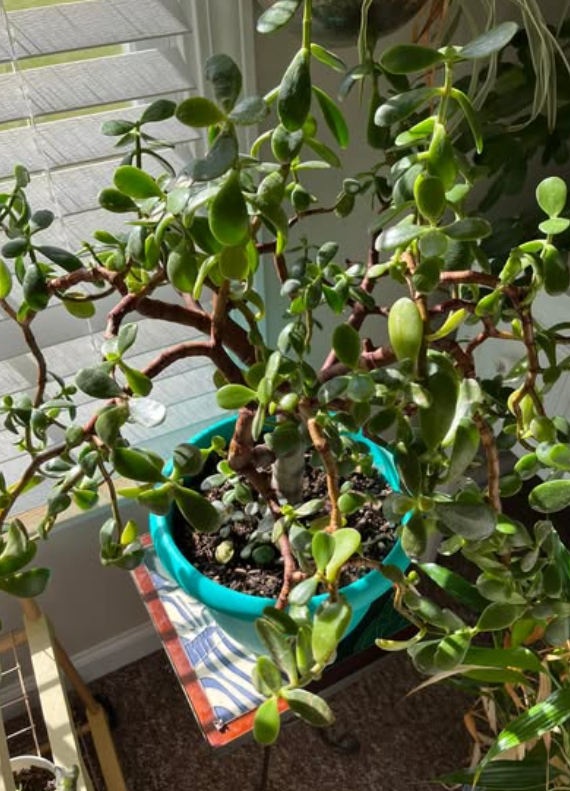
Sticky leaves on Jade Plants often manifest as a shiny or tacky coating on the surface of the leaves. You might notice droplets or a slight sheen that feels slick or greasy to the touch. The leaves may also appear slightly discolored, with a greasy film that attracts dust or dirt more readily than normal. Sometimes, tiny insects like scale or mealybugs can be seen on the plant, especially when you gently examine the leaves.
Common Causes Overview: Pest Activity, Sap Excretion, Environmental Factors
Several factors can cause a Jade Plant's leaves to become sticky:
- Pest activity: Scale insects, mealybugs, or aphids feed on plant sap, excreting a sticky substance called honeydew.
- Sap excretion: Sometimes, a plant responds to stress or injury by exuding excess sap or resin, which then creates a sticky film.
- Environmental factors: Excess moisture, high humidity, or fungal infections can also lead to sticky residues, often with accompanying fungal growth or mold. Understanding which cause applies to your plant is essential for choosing the right treatment approach.
Section 2: Diagnosing the Exact Cause
Follow these steps to determine why your Jade Plant's leaves are sticky:
Cause 1: Sap-Sucking Pests Such as Scale Insects or Mealybugs
Look for tiny, oval-shaped insects that cling to the leaf undersides or stems. Scale insects often appear as small bumps with a shell-like exterior, while mealybugs look like small white cottony clusters. If you see these pests, the sticky residue is likely honeydew excreted by them.
Cause 2: Excessive Sap Excretion Due to Stress or Injury
If your Jade Plant has recently experienced physical damage, overwatering, or sudden temperature shifts, it may excrete excess sap or resin. This sticky substance often appears along the wound sites or near damaged areas.
Cause 3: Fungal or Bacterial Infections Leading to Resin-Like Substances
In some cases, fungal or bacterial infections can cause the plant to produce resin-like substances on the surface of the leaves, accompanied by mold growth, discoloration, or softening of the tissue.
How to Tell Which Cause Applies to Your Plant: Diagnostic Tips
- Inspect closely: Use a magnifying glass if needed.
- Check for insects: Look for movement or shell-like coverings.
- Examine injury sites: Notice if sticky residue is localized near wounds.
- Observe other symptoms: Fungal infections may present as mold, soft spots, or unusual coloration. Accurate diagnosis is key to choosing the most effective treatment.
Section 3: Treatment Solutions
Implement Targeted Fixes Based on the Diagnosed Cause
Immediate Actions: Washing Leaves and Removing Pests Manually
- Mix a mild soap solution (a few drops of dish soap in a liter of water).
- Gently wipe or spray this onto the affected leaves to remove sticky residue.
- Use a soft cloth or sponge to wipe the leaves clean.
- For pests like scale or mealybugs, manually remove visible bugs with a soft brush or cloth.
Chemical Remedies: Applying Insecticidal Soap or Neem Oil for Pest Control
- Use insecticidal soap or neem oil as organic pest control options.
- Follow the manufacturer’s instructions carefully.
- Spray or wipe the entire plant, focusing on the undersides of leaves and stem joints.
- Repeat every 7-10 days until pests are eliminated.
Natural Remedies: Using Alcohol Wipes or Horticultural Oils
- For quick pest removal, dip a cotton swab in isopropyl alcohol and gently wipe affected areas.
- Horticultural oils can also smother pests and are safe for indoor plants when used properly.
Long-term Plan: Maintaining Healthy Conditions
- Ensure your Jade Plant is in well-draining soil, receives proper sunlight, and is not overwatered.
- Provide good airflow and avoid high humidity environments.
- Fertilize sparingly during active growth but avoid excess nutrients that can stress the plant.
- Regularly inspect your Jade for early signs of pests or stress.
Recovery Expectations: How Your Jade Plant Should Improve Over Time
With diligent care and pest management, you should notice the sticky residue gradually diminishes within a couple of weeks. New leaves should appear healthy, and the plant will regain its vibrant, glossy appearance.
Section 4: Prevention Tips
Care Routine: Regular Inspection, Pruning, and Cleaning
- Frequently check your Jade Plant for early pest signs or damage.
- Remove dead or damaged leaves to prevent infestations.
- Wipe leaves periodically with a damp cloth to keep the surface clean and dust-free.
Environmental Factors: Maintaining Proper Humidity, Avoiding Overwatering, and Ensuring Proper Airflow
- Keep humidity levels moderate; Jade Plants prefer drier conditions.
- Water only when the top inch of soil is dry—overwatering promotes pests and disease.
- Provide adequate airflow around the plant to discourage fungal growth and pest buildup. Implementing these routine care practices can effectively prevent sticky leaves from recurring.
Conclusion
Recap of Identifying, Treating, and Preventing Sticky Leaves on Jade Plants
Sticky leaves on your Jade Plant are often caused by pests, stress-induced sap excretion, or infections. Accurate diagnosis ensures you choose the right treatment—whether manual removal, organic insecticides, or environmental adjustments. Regular maintenance and good cultural practices are essential to keep your Jade Plant healthy and pest-free.
Encouragement
Remember, patience and persistent care are your best allies. Most sticky leaf problems are manageable and reversible with prompt action. Your Jade Plant can bounce back beautifully with the right attention!
Next Steps
Start implementing the tips provided today: inspect your plant carefully, clean your Jade, and maintain optimal conditions. With consistent effort, you'll enjoy a thriving, glossy-leaved Jade Plant in your indoor garden!
FAQ
Q: How long until I see improvement after treatment?
A: Usually, you will notice a reduction in stickiness and healthier new growth within 2 to 4 weeks. Consistent pest control and proper care are crucial for recovery.
Q: Can I save my Jade Plant if it has extensive damage or persistent sticky leaves?
A: Yes, in many cases, with patience and diligent treatment, even severely affected plants can recover. Remove heavily damaged leaves, address pests promptly, and improve environmental conditions.
Q: Should I prune parts of my Jade Plant that have sticky or damaged leaves?
A: Yes. Pruning damaged or heavily infested areas can help promote healthy growth and prevent pest spread. Use clean, sharp scissors and sterilize them afterward to prevent infection.
Protect your Jade Plant with confidence! Regular care and prompt treatment will ensure your succulent remains a lush, attractive feature in your home for years to come.