Discover why your Anthurium's leaves droop and learn effective tips to diagnose, treat, and prevent this common indoor plant issue with care and confidence.
Introduction
Noticing your Anthurium's leaves drooping can be quite worrying, especially when you're invested in keeping your indoor garden lush and healthy. However, this is a common issue faced by many plant enthusiasts, and often, it’s a sign that something needs your attention — not necessarily a sign that your plant is beyond saving. Understanding the root cause of drooping leaves is essential to providing the right care and helping your Anthurium bounce back. In this article, we'll explore why your Anthurium might be experiencing drooping leaves, how to diagnose the problem accurately, and practical solutions to revive your beloved plant. Rest assured, with some patience and proper care, your Anthurium can recover and thrive again.
Section 1: Understanding the Problem
Visual Identification of Drooping Leaves
Drooping leaves in an Anthurium typically look like soft, limp, or sagging foliage that appears wilted or floppy. Unlike leaves that are simply a bit droopy during hot weather, persistent or worsening drooping indicates an underlying issue. The leaves may also feel softer or more fragile than usual, and in some cases, you might notice discoloration or spots.
Common Causes Overview
Several factors can cause drooping leaves in Anthuriums, including:
- Watering issues: Overwatering or underwatering are the most common culprits.
- Environmental stress: Improper lighting, temperature fluctuations, or drafts can stress the plant.
- Pests and diseases: Pests like spider mites or root rot can weaken the plant's health.
- Root problems: Damaged or rotting roots due to poor soil drainage or overwatering impair water and nutrient uptake. Understanding these causes is the first step toward proper diagnosis and treatment.
Section 2: Diagnosing the Exact Cause
Follow a Step-by-Step Diagnostic Process
Accurately identifying why your Anthurium's leaves are drooping ensures you apply the most effective remedy. Here's how to proceed:
Cause 1: Overwatering Leading to Root Rot and Soft, Limp Leaves
- Signs: Leaves feel mushy, discolored, or yellow, with a foul smell from the soil.
- Diagnosis: Check the soil moisture. If the soil stays wet for days or smells bad, overwatering is likely the cause.
Cause 2: Underwatering Causing Dehydration and Wilting
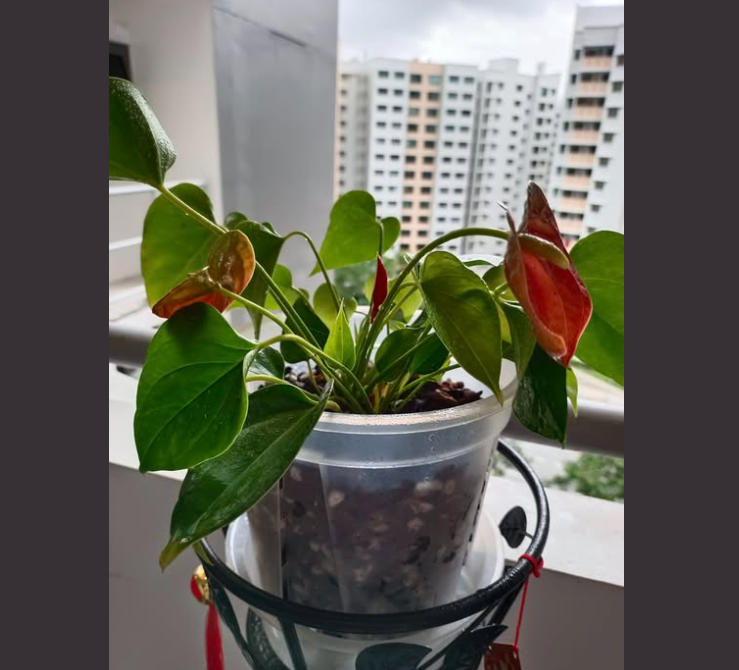
- Signs: Leaves are dry, crispy, or wilted, and the soil feels very dry.
- Diagnosis: Touch the soil; if it’s bone dry and the plant looks shriveled, underwatering is probable.
Cause 3: Improper Lighting or Temperature Stress
- Signs: Leaves droop during the hottest part of the day or in drafty spots.
- Diagnosis: Assess the plant’s environment. Is it in direct harsh sunlight or near a cold draft?
How to Tell Which Cause Applies to Your Plant
- Check soil moisture: Use your finger or a moisture meter.
- Inspect roots: Gently remove the plant from its pot and examine the roots.
- Observe environmental conditions: Is the plant getting too much direct sunlight, or is it in a drafty or cold room?
- Look for pests: Tiny webs or spots on leaves may indicate pests.
Section 3: Treatment Solutions
Implement Specific Fixes Based on Diagnosis
Once you've identified the cause, follow tailored solutions:
Immediate Actions: Adjust Watering and Environmental Conditions
- Overwatering: Allow the soil to dry out before watering again. Remove any rotting roots and repot if necessary.
- Underwatering: Water thoroughly, ensuring excess water drains away. Maintain soil moisture but avoid waterlogging.
- Lighting & temperature: Move your Anthurium to a spot with bright, indirect light and stable temperatures between 65°F-80°F (18°C-27°C).
Long-term Treatment: Repotting and Pruning
- Repot if needed: Use well-draining soil and a pot with drainage holes to prevent water accumulation.
- Prune damaged leaves and roots: Remove wilted or yellowed leaves, and cut away any rotten roots with sterilized tools.
- Adjust care routines: Develop a consistent watering schedule, typically once every 1-2 weeks, depending on your environment.
Monitoring Recovery
- Keep an eye on new leaf growth and overall plant health.
- Watch for signs of new, firm leaves indicating recovery.
- Avoid over-fertilizing during recovery; feed lightly with a balanced, diluted houseplant fertilizer.
Section 4: Prevention Tips
How to Keep Your Anthurium Healthy and Avoid Drooping Leaves
Prevention is always better than cure. Here are key tips to maintain a happy, thriving Anthurium:
- Consistent watering schedule: Water only when the top inch of soil feels dry.
- Humidity control: Keep humidity levels around 60-80%. Use a humidifier or place a water tray nearby.
- Proper lighting: Bright, indirect sunlight is ideal. Avoid direct sun that can scorch leaves or intense shade that can weaken growth.
- Temperature stability: Keep your plant away from drafts, heaters, or air conditioners.
- Regular inspection: Check for pests and diseases monthly. Early detection prevents severe issues.
- Quality soil and drainage: Use a well-draining potting mix designed for aroids and ensure your pot has drainage holes.
Conclusion
Drooping leaves in your Anthurium are often a sign that your plant needs a bit of extra attention rather than a cause for despair. By carefully diagnosing the underlying problem—whether it's watering, lighting, or root health—you can implement targeted solutions that will help your plant recover. Remember, patience and consistent care are key. With proper adjustments, your Anthurium can regain its vibrant, healthy foliage and continue to brighten your indoor space. Stay attentive, adapt your care routines, and enjoy the rewarding process of nurturing your beautiful plant.
FAQ
Q: How long until I see improvement after adjusting watering?
A: Typically, you can expect to see signs of recovery within 1-2 weeks if the cause was related to watering issues. New, firm leaves may start to appear, and existing drooping leaves should straighten. Patience is essential, as recovery depends on the severity of the stress and the plant’s overall health.
Q: Will my Anthurium recover fully from drooping leaves?
A: Yes, with proper care, your Anthurium has a good chance of full recovery. The key is to identify and correct the underlying cause promptly. Even if some older leaves do not recover, new growth will eventually replace them with healthy foliage.
Q: Should I prune or remove the drooping leaves?
A: Yes, pruning damaged or dead leaves helps the plant focus energy on healthy growth. Use sterilized scissors or pruning shears to remove limp, yellowed, or brown leaves. This also improves airflow and reduces the risk of pests or disease.
By understanding the causes behind drooping leaves and applying simple, effective care strategies, you'll be well on your way to revitalizing your Anthurium. Happy gardening!