Discover practical ways to diagnose and fix leaf drop in your Jade Plant. Get expert tips to restore health and prevent future problems.
Introduction
Noticing your Jade Plant shedding leaves can be worrying—especially since it’s such a popular and easy-care indoor plant. Leaf drop might seem like a sign of trouble, but often, it’s a natural response to environmental changes or minor issues that can be easily corrected. In this guide, we’ll explore why your Jade Plant’s leaves are dropping, how to accurately diagnose the cause, and most importantly, what you can do to help your plant bounce back. Rest assured, with some attentive care adjustments, your Jade Plant can recover and thrive again, bringing lush greenery back into your space.
Section 1: Understanding the Problem
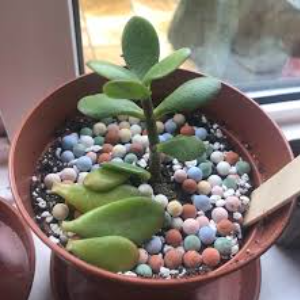
Visual identification of leaf drop in Jade Plants
Jade Plants typically have thick, fleshy leaves that store water. When they shed leaves, you might notice:
- Leaves falling off easily when touched.
- Yellowing or browning leaves near the base.
- Sparse or bare branches where leaves have dropped.
- Loose or fallen leaves on the soil surface or around the plant. Understanding how leaf drop manifests helps differentiate between natural shedding and signs of distress.
Common causes overview: watering issues, environmental stress, pests, and nutrient deficiencies
Several factors can trigger leaf drop in Jade Plants:
- Overwatering or underwatering — the most common cause.
- Environmental stress — inadequate light, temperature fluctuations.
- Pest infestations or disease — pests like mealybugs or scale.
- Nutrient deficiencies — lack of essential nutrients can weaken the plant. Recognizing these causes is the first step toward proper treatment.
Section 2: Diagnosing the Exact Cause
Follow a step-by-step diagnostic process to pinpoint why your Jade Plant is losing leaves.
Cause 1: Overwatering or underwatering
- Signs of overwatering: soft, mushy leaves, root rot smell, soil constantly wet.
- Signs of underwatering: shriveled, dry leaves, soil very dry and pulling away from the pot edges. How to tell: Check soil moisture with your finger or a moisture meter. Consistently damp soil suggests overwatering; dry soil indicates underwatering.
Cause 2: Insufficient light or temperature stress
- Jade Plants need bright, indirect sunlight. Lack of light causes weak, leggy growth and leaf drop.
- Extreme temperatures (below 50°F/10°C or sudden cold drafts) stress the plant, leading to leaf loss. How to tell: Observe the plant’s position. Is it placed near a sunny window? Are there drafts or cold spots?
Cause 3: Pest infestation or disease
- Look for tiny insects, sticky residue, or webbing.
- Yellowing or browning leaves with spots may indicate fungal or bacterial issues. How to tell: Inspect leaves and stems closely with a magnifying glass.
How to tell which cause applies to your plant
- Check soil moisture – is it too wet or too dry?
- Assess lighting conditions – is your Jade getting enough light?
- Inspect for pests – any visible insects or sticky residue?
- Review environmental conditions – temperature fluctuations or drafts? By answering these questions, you'll identify the root cause.
Section 3: Treatment Solutions
Implement targeted fixes based on the diagnosed cause to help your Jade Plant recover.
Immediate actions: adjust watering, improve lighting, treat pests
- Overwatering: Allow soil to dry out completely before watering again. Ensure the pot has good drainage.
- Underwatering: Water thoroughly when the top inch of soil feels dry.
- Insufficient light: Move your Jade to a brighter location, ideally near a south or east-facing window.
- Pests: Use insecticidal soap or neem oil to treat infestations. Remove affected leaves if necessary.
Long-term care: proper watering schedule, optimal environment, fertilization
- Establish a consistent watering routine: once every 2-3 weeks, adjusting based on season.
- Maintain temperatures between 65-80°F (18-27°C), away from drafts and cold windows.
- Fertilize sparingly—use a balanced, water-soluble cactus or succulent fertilizer once a month during the growing season.
What to expect during recovery: regrowth timeline and monitoring
- Leaf drop can be temporary; new leaves typically emerge within a few months if cared for properly.
- Monitor your plant regularly, adjusting care as needed.
- Be patient—recovery may take time, but persistence pays off.
Section 4: Prevention Tips
Prevent leaf drop in the future with simple care adjustments.
Establish consistent watering routines
- Always check soil moisture before watering.
- Use well-draining soil to prevent waterlogging.
Ensure adequate lighting and temperature conditions
- Place your Jade in bright, indirect sunlight.
- Keep it away from cold drafts or sudden temperature changes.
Regular inspection for pests and diseases
- Check leaves and stems weekly.
- Remove any pests promptly with natural solutions.
Optimal soil and fertilization practices
- Use a well-draining succulent or cactus mix.
- Fertilize during the active growing season only.
Conclusion
Summary
If your Jade Plant is experiencing leaf drop, don’t panic. By carefully diagnosing whether overwatering, insufficient light, pests, or environmental stress is the culprit, you can take targeted actions to help your plant recover. Remember, most leaf drop issues are manageable with attentive care and patience.
Encouragement
Most importantly, keep a positive attitude—your Jade Plant has a good chance of bouncing back with a few adjustments. It’s a rewarding process that deepens your understanding of plant care.
Next steps
Start by reviewing your watering habits and environmental conditions. Make necessary changes, and watch your Jade Plant regain its lush, vibrant health.
FAQ
Q: How long until I see my Jade Plant recover after fixing the issue?
A: Typically, you can expect new growth within a few months if the cause of leaf drop has been properly addressed. Patience and consistent care are key.
Q: Can leaf drop be a sign of a more serious problem?
A: Yes, persistent leaf loss despite corrective measures might indicate severe root rot, disease, or other underlying issues. In such cases, inspect the roots and consider repotting if necessary.
Q: Should I prune the fallen leaves or damaged parts?
A: Yes, removing fallen or damaged leaves helps prevent disease and encourages healthy new growth. Use clean, sharp scissors or pruning shears for best results.
Your Jade Plant’s health depends on attentive care and early detection of problems. With these tips, you’re well-equipped to nurture your plant back to full health. Happy gardening!