Are you worried about the yellowing leaves on your beloved Jade Plant? Don't fret—it's a common issue that many indoor plant enthusiasts face. With a little attention and some strategic adjustments, you can help your Jade Plant regain its vibrant, healthy appearance. In this guide, we'll explore the causes of yellow leaves, how to accurately diagnose the problem, and practical steps to restore your plant’s lush green color. Rest assured, with proper care, your Jade Plant can bounce back and thrive once again.
Section 1: Understanding the Problem
Visual identification of yellow leaves on Jade Plant
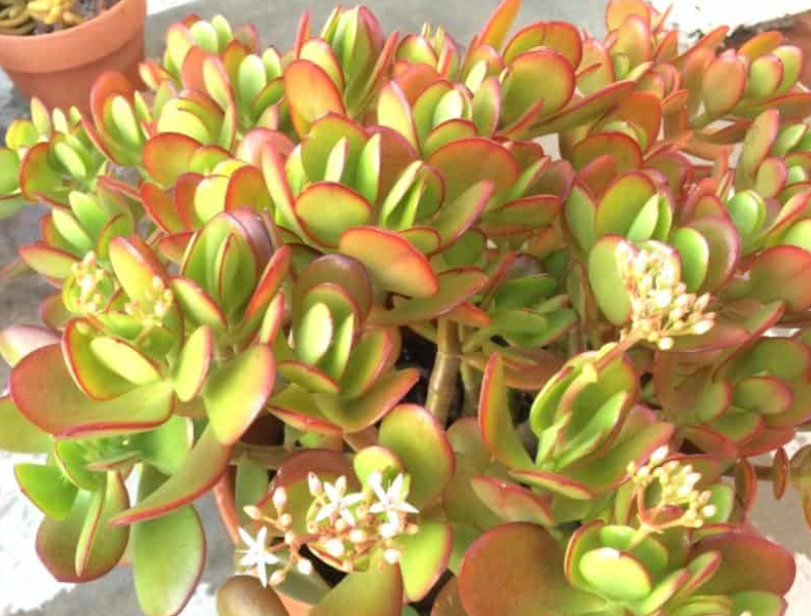
Yellow leaves on a Jade Plant typically appear as patches of discoloration or as entire leaves turning yellow from the tips inward. You might notice:
- Yellowing at the leaf edges or uniformly across the leaf surface.
- Drooping or wilted leaves accompanying the yellow color.
- Falling leaves, indicating stress or damage. Understanding what yellowing looks like helps in diagnosing whether it’s a minor issue or a sign of something more serious.
Common causes overview: overwatering, underwatering, improper lighting, nutrient deficiencies, and stress
Several factors can cause yellow leaves on your Jade Plant. The most common include:
- Overwatering leading to root rot
- Underwatering causing dehydration
- Inadequate or excessive light exposure
- Nutrient deficiencies or imbalanced soil nutrients
- Environmental stress such as drafts, temperature fluctuations, or repotting Recognizing these common causes is the first step toward effective treatment.
Section 2: Diagnosing the Exact Cause
Follow a step-by-step process to determine what's causing your Jade Plant's yellowing leaves
Accurate diagnosis involves observing your plant and considering recent care routines. Here’s how:
Cause 1: Overwatering leading to root rot
Symptoms: Soft, mushy roots, foul smell from the soil, and yellow leaves that may feel limp. Overwatering is a frequent culprit for Jade Plants, which prefer drier conditions.
Cause 2: Insufficient light or improper light exposure
Symptoms: Pale, yellowish leaves with stretched, leggy growth. Jade Plants need bright, direct sunlight for at least 4-6 hours daily.
Cause 3: Nutrient deficiencies or imbalance
Symptoms: Yellowing along the veins or overall dull appearance. Lack of essential nutrients like nitrogen or iron can cause chlorosis.
How to tell which cause applies to your plant
- Check the soil moisture: If overly wet for days, overwatering is likely.
- Inspect the roots: Gently remove the plant from its pot to examine root health.
- Assess light conditions: Is your plant near a south-facing window? Has the light exposure changed recently?
- Review fertilization history: Has your plant been fertilized recently? Are you using balanced fertilizer? By systematically analyzing these factors, you can pinpoint the primary cause of yellow leaves.
Section 3: Treatment Solutions
Implement targeted fixes based on the diagnosed cause to restore your Jade Plant's health
Immediate actions: adjust watering, improve lighting, fertilize appropriately
- Overwatering: Remove any excess water from the saucer, allow soil to dry completely before watering again, and consider repotting if root rot is suspected.
- Poor lighting: Move your Jade Plant to a brighter location with direct sunlight, ideally near a south-facing window.
- Nutrient deficiency: Apply a balanced, water-soluble fertilizer formulated for succulents, following label instructions.
Long-term care plan: proper watering schedule, light placement, fertilization routine
- Watering schedule: Water only when the top inch of soil feels dry. During winter, reduce watering frequency.
- Lighting: Ensure your Jade Plant receives ample direct sunlight daily. Use grow lights if natural light is insufficient.
- Fertilization: Feed your Jade Plant every 4-6 weeks during the growing season with a diluted succulent fertilizer.
Recovery expectations: regrowth and signs of improvement
With consistent care, you should see new, healthy leaves emerging within a few weeks. Yellow leaves that are severely damaged may need to be pruned to encourage new growth. Patience and diligent care are key.
Section 4: Prevention Tips
Learn how to prevent yellow leaves in the future with simple care adjustments
Consistent watering habits and well-draining soil
- Use a well-draining succulent or cactus soil mix.
- Water deeply but infrequently, ensuring excess water drains out.
Optimizing lighting conditions
- Place your Jade Plant in a location with bright, direct sunlight.
- Rotate the plant regularly to promote even growth.
Periodic fertilization and soil health monitoring
- Fertilize during the active growing season.
- Repot every 2-3 years to refresh soil and inspect roots.
Avoiding stress and environmental shocks
- Keep your plant away from drafts, heating vents, or sudden temperature changes.
- Minimize disturbance during repotting or cleaning.
Conclusion
Recap of diagnosis, treatment steps, and prevention tips for healthy Jade Plant foliage
Yellow leaves on your Jade Plant are often fixable with attentive care. Begin by diagnosing the cause—whether it's overwatering, insufficient light, or nutrient deficiencies—and then implement targeted solutions like adjusting watering routines, relocating your plant, or fertilizing appropriately. Consistency in care and environmental stability are essential for preventing future issues.
Encouragement
Remember, your Jade Plant is resilient. With patience and proper attention, it can recover from yellowing leaves and display lush, vibrant green foliage once again.
Next steps
Apply the tips outlined here, monitor your plant's response, and stick to a regular care routine. Your Jade Plant's health and beauty depend on your attentive care—happy gardening!
FAQ
Q: How long until I see improvement after fixing watering or lighting?
A: Typically, you can expect to see signs of recovery within 2 to 4 weeks. New, healthy leaves may begin to emerge, and existing yellowed leaves might gradually turn green or drop off. Consistency in care is crucial during this period.
Q: Can yellow leaves turn green again?
A: Yes, if the yellowing is caused by nutritional deficiencies or environmental stress, and you address these issues promptly, some leaves may regain their green color. However, severely damaged or dead leaves usually won't recover and should be pruned.
Q: Should I prune the yellow leaves or leave them?
A: It's generally best to prune yellow, damaged leaves to help the plant direct energy toward healthy growth. Use clean, sharp scissors or pruning shears to remove the affected foliage at the base.
By following these guidelines, you'll be well on your way to nurturing a thriving, vibrant Jade Plant. Happy gardening!