Noticing white fuzz on your String of Pearls can be alarming, but it's a common issue many plant lovers face. If you’ve seen that fuzzy, powdery coating or mold-like growth on your beloved plant, don’t panic. This guide will help you identify, diagnose, and effectively treat the white fuzz, restoring your String of Pearls’ health. With the right care and attention, your plant can recover and thrive once again.
Understanding the Problem
Visual Identification of White Fuzz
The first step in addressing this issue is recognizing what the white fuzz actually is. Typically, it appears as a fuzzy or powdery substance covering parts of your String of Pearls’ beads or trailing stems. It might look like:
- Fuzzy growth: soft, velvety patches resembling mold or mildew.
- Powdery appearance: a white, powdery coating that can be wiped away.
- Mold-like growths: fuzzy but often damp and slightly sticky to the touch.
Common Causes Overview
White fuzz on your String of Pearls usually stems from:
- Fungal infections, such as powdery mildew or mold, often caused by high humidity and poor airflow.
- Pest-related issues, like mealybugs or mold associated with pest infestations.
- Environmental factors, including overwatering, inadequate light, and excessive humidity, creating favorable conditions for fungi and pests.
Diagnosing the Exact Cause
To effectively fix the white fuzz, you need to determine its root cause. Here's how to systematically diagnose the problem.
Cause 1: Fungal Infections
Fungal issues like powdery mildew appear due to excess humidity and poor airflow. Signs include:
- White powdery patches on leaves or stems.
- Fuzzy growth that easily brushes off.
- Vision of mold spores moving in moist conditions.
Cause 2: Pest-Related Issues
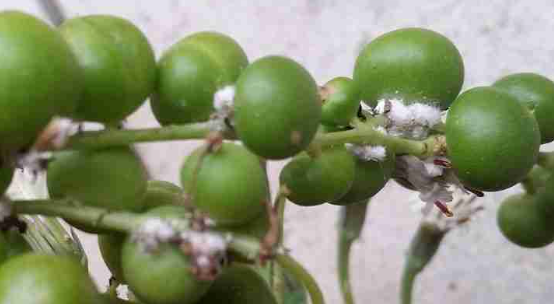
Common pests, such as mealybugs, can produce white, cottony residues often mistaken for fuzz. Look for:
- Small, soft-bodied insects clustered on stems or leaf joints.
- Sticky residue or honeydew on plant surfaces.
- Mold growth underneath pest colonies due to pest-related damage.
Cause 3: Environmental Factors
Excessive moisture, insufficient light, or high humidity conditions foster fungal and pest growth. Signs include:
- Overwatering leading to soggy soil.
- Shadows or lack of bright, indirect light.
- Persistent dampness or poor ventilation around your plant.
Inspection Tips
- Gently wipe a small patch of the fuzz with a damp cloth. If it comes off easily, it’s likely powdery mildew or mold.
- Check for tiny insects or cottony masses under leaves or around stems.
- Observe watering habits, soil moisture, and light exposure.
Treatment Solutions
Once you’ve identified the cause, you can apply targeted remedies to eliminate the white fuzz effectively.
Immediate Actions
- Remove visible fuzz gently with a soft cloth or cotton swab soaked in water or mild soapy solution.
- Isolate the affected plant to prevent the spread of fungi or pests.
- Improve airflow around the plant by adjusting placement or introducing a small fan.
Natural Remedies
- Neem oil: spray diluted neem oil on affected areas. It’s effective against fungi and pests alike.
- Insecticidal soap: use a gentle soap solution to rinse pests and fungal spores.
- Hydrogen peroxide solution: mix one part hydrogen peroxide with two parts water and spray on the plant to kill fungi.
Chemical Remedies
If natural solutions fail, consider applying fungicides formulated for houseplants. Follow the manufacturer’s instructions carefully and avoid overuse, as it can harm the plant.
Long-term Care
- Adjust watering: Water only when the top inch of soil feels dry.
- Enhance light: Provide bright, indirect sunlight to strengthen plant defenses.
- Improve humidity control: Use a dehumidifier or ensure good ventilation.
- Regular cleaning: Wipe down leaves and stems periodically to catch problems early.
Monitoring Recovery
Keep a close eye on your String of Pearls. If the fuzz reappears or persists beyond a couple of weeks, revisit your treatment plan. Consistency is key to ensuring your plant’s full recovery.
Prevention Tips
Prevention is the best medicine. Adopt these good care practices to keep white fuzz at bay:
- Maintain proper watering routines: Use well-draining soil and avoid overwatering. Only water when the top inch feels dry.
- Ensure good airflow: Place your plant in a well-ventilated area and avoid overcrowding.
- Provide adequate light: Bright, indirect sunlight boosts plant immunity.
- Regular inspection and cleaning: Remove dead leaves and wipe surfaces to catch issues early.
- Use natural antifungal treatments preventively: Spray diluted neem oil or chamomile tea monthly to discourage fungal growth.
Conclusion
Proper diagnosis and targeted treatment can effectively eliminate white fuzz on your String of Pearls, helping it regain its vibrant, healthy appearance. Remember, most fungal issues are manageable with patience and the right care. Don’t be discouraged—your plant can recover with consistent attention. By implementing the recommended treatments, adjusting your care routine, and practicing preventive measures, you’ll keep your String of Pearls beautiful and healthy for years to come. Happy gardening!
Q: How long until I see improvement after treatment?
A: Typically, you should see a reduction in white fuzz within 1-2 weeks after starting treatment. If the fungus or pests are effectively eliminated, new growth will appear healthy, and the fuzz should disappear gradually. Persistence and consistent care are key.
Q: Is white fuzz always fungal, or can it be pest-related?
A: White fuzz can be caused by both fungal infections like powdery mildew and pests such as mealybugs. It’s important to inspect your plant thoroughly to distinguish between the two. Fungal fuzz often comes off easily with a gentle wipe, while pest-related fuzz may be accompanied by insects or sticky residue.
Q: Should I prune areas with heavy fuzz growth?
A: Yes, if there are heavily affected or rotten patches, pruning those parts can help prevent the spread of fungi or pests. Use clean, sharp scissors, and sterilize them before and after pruning. Discard any heavily infested foliage to promote healthy new growth.
With proper diagnosis, gentle treatment, and good care habits, your String of Pearls will bounce back stronger and healthier. Keep observing, adapting, and loving your plant—happy growing!