Quick Summary: Pale or yellowing leaves in your Fiddle Leaf Fig can be worrying, but most issues are fixable. By understanding the root causes—such as lighting, watering, or nutrition—you can implement simple remedies and bring your plant back to vibrant health.
Introduction
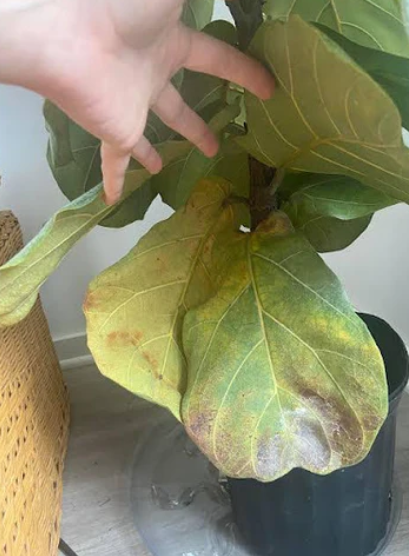
Noticing pale or yellowing leaves on your Fiddle Leaf Fig (Ficus lyrata) can really cause concern—after all, this plant’s lush, shiny leaves are part of what makes it such a stunning centerpiece. As a caring plant parent, you want to do everything possible to nurture your green companion, and when its leaves lose their vibrant color, it’s easy to feel worried or overwhelmed. The good news is that pale leaves are often a sign of fixable issues, not deep-rooted problems. In this article, we’ll explore the most common reasons why your Fiddle Leaf Fig might develop pale or yellow leaves, how to accurately diagnose the cause, and simple, effective solutions to restore its brightness. Whether your plant is light-starved, overwatered, or suffering from nutrient deficiencies, there’s a clear path to recovery. With patience, some adjustments, and a little care, your Fiddle Leaf Fig can regain its lush, dark green beauty and continue to thrive as the stunning statement plant you love.
Section 1: Understanding the Problem
Pale or yellow leaves on your Fiddle Leaf Fig are more than just an aesthetic issue—they're your plant’s way of signaling underlying distress. Recognizing these symptoms early helps you take targeted action, preventing further decline.
Visual identification of pale or yellow leaves
- Color: Leaves look light green, pale, or yellow—sometimes with a washed-out appearance.
- Location: Often begins on lower leaves or newer growth.
- Texture: Leaves may appear dull, limp, or slightly droopy.
Common causes overview: light, watering, fertilization, pests, root health
- Light: Too little light can cause chlorophyll production to slow, leading to pale leaves.
- Watering: Overwatering causes root rot, cutting off nutrient supply; underwatering stresses the plant.
- Nutrient deficiencies: Lack of essential fertilizers, especially nitrogen, can cause yellowing.
- Pests: Some pests (like spider mites) can damage leaves, causing discoloration.
- Root health: Compact, waterlogged soil impairs nutrient uptake, resulting in pale foliage. Ultimately, understanding what’s causing the discoloration is the first step toward recovery.
Section 2: Diagnosing the Exact Cause
To effectively treat your Fiddle Leaf Fig, you need to identify why its leaves are pale. Follow these steps:
Cause 1: Insufficient or Poor Lighting
- Symptoms: Pale, weak leaves and slow growth.
- How to confirm: Is your plant placed away from windows or in a space with limited light? If it’s not near a bright, indirect light source, it’s likely starved for illumination.
- Why it happens: Fiddle Leaf Figs thrive in bright, indirect sunlight. Without enough light, they can't produce enough chlorophyll, turning their leaves pale.
Cause 2: Improper Watering (Overwatering or Underwatering)
- Symptoms: Yellowing or pale leaves, wilted or drooping appearance.
- How to confirm: Check the soil moisture—soil should be moist but not soggy. Use your finger or a moisture meter to assess.
- Why it happens: Overwatering leads to root rot, cutting off nutrient flow. Underwatering causes dehydration, making leaves pale and limp.
Cause 3: Nutrient Deficiency (Lack of Fertilizer or Imbalanced pH)
- Symptoms: Pale or yellowish leaves, especially newer growth.
- How to confirm: Has the plant been fertilized in the past few months? Conduct a soil pH test if possible; Fiddle Leaf Figs prefer slightly acidic to neutral soil (pH 6.0–7.0).
- Why it happens: Nutrients like nitrogen are essential for deep, healthy green foliage; deficiencies cause chlorosis (yellowing).
How to tell which cause applies to your plant—key signs and testing tips
| Symptom | Likely Cause | Action |
|---|---|---|
| Pale leaves, slow growth | Insufficient light | Improve lighting, move plant closer to light |
| Wilting, soggy soil | Overwatering | Reduce watering, check for root rot |
| Pale new leaves, yellowing | Nutrient deficiency | Fertilize with balanced houseplant fertilizer |
| Pale, limp leaves | Underwatering or root issues | Water properly, inspect roots |
Section 3: Treatment Solutions
Once you've pinpointed the cause, implement these targeted remedies.
Immediate actions to improve lighting, watering, or fertilization
1. Adjust Light:
- Move your Fiddle Leaf Fig to a bright spot with bright, indirect sunlight.
-
Avoid direct sun, which can scorch the leaves, but ensure it’s well-lit. 2. Correct Watering:
-
Overwatering: Allow the top inch of soil to dry out before watering again.
- Underwatering: Water thoroughly until excess drains, then wait until the topsoil dries out.
-
Use a moisture meter or finger test soil moisture to guide your schedule. 3. Fertilize properly:
-
Use a balanced, water-soluble houseplant fertilizer (such as 10-10-10) every 4-6 weeks during active growth.
- Avoid over-fertilizing, which can cause salt buildup and root stress.
Using natural remedies like compost tea or foliar feeding
- Foliar feeding: Mist leaves with a diluted compost tea or a weak fertilizer solution to give quick nutrients.
- Neem oil or hydrogen peroxide: Use as a gentle treatment to discourage pests if pests are suspected.
In cases of damage—pruning or repotting to improve root health
- Prune any leaves that are heavily pale or yellowing to redirect energy.
- If you suspect root rot (mushy, brown roots), gently remove the plant, trim affected roots, and repot in fresh, well-draining soil.
Monitoring recovery: what to expect during the process
- Initial improvement might be visible within a few weeks with consistent care.
- New growth will be greener and healthier.
- Be patient—the journey back to vibrant leaves can take 4-8 weeks.
Section 4: Prevention Tips
Staying ahead of problems keeps your Fiddle Leaf Fig thriving and vibrant.
Optimal lighting and position adjustments
- Place your plant near a south or east-facing window with filtered light.
- Rotate the plant periodically for even growth.
Watering schedule to avoid over- or underwatering
- Water when the top inch of soil feels dry.
- Use a moisture meter if unsure or inconsistent with your watering habits.
Regular fertilization and soil checks
- Feed every 4-6 weeks during growing season.
- Repot every 1-2 years, using well-draining potting mix designed for Ficus.
Environmental factors to monitor: drafts, temperature swings, and humidity
- Keep your plant in a stable environment—avoid drafts, sudden temperature drops, and very dry air.
- Maintain humidity levels around 40-60% if possible, using a humidifier or pebble tray.
Frequently Asked Questions
Q: How long until I see improvement after fixing light and watering?
A: Typically, you can notice brighter, healthier leaves within 2-4 weeks, especially with consistent care.
Q: Can my Fiddle Leaf Fig recover from leaf discoloration? How long does recovery take?
A: Yes! Recovery can take 4-8 weeks. New growth should be vibrant, and pale leaves may gradually yellow and fall off.
Q: Should I prune the pale or yellow leaves, or let them fall naturally?
A: It’s best to prune heavily discolored leaves to redirect energy and encourage new growth. Let minor leaves fall naturally to prevent pest issues.
Conclusion
Key Takeaways:
- Pale leaves often stem from improper light, watering, or nutrition, but are reversible.
- Diagnose carefully by observing your plant’s environment and symptoms.
- Implement targeted solutions: improve lighting, adjust watering, and fertilize appropriately.
- Regular care, monitoring, and patience will restore your Fiddle Leaf Fig’s lush green beauty. Remember, most issues are fixable, and with gentle adjustments, your plant will flourish again. Start today—care and attentiveness will reward you with a thriving, vibrant Fiddle Leaf Fig that continues to be the stunning focal point of your space!