Learning how to fix aloe vera root rot is essential for any indoor plant enthusiast who wants to keep their beloved plant healthy and vibrant. Root rot is a common issue that can threaten the vitality of your aloe vera, but with the right knowledge and prompt action, you can revive your plant and prevent future problems. In this comprehensive guide, we’ll walk you through how to identify root rot, diagnose its causes, treat your aloe vera effectively, and adopt preventive measures to keep your plant thriving. Whether you’re a beginner or have some experience with indoor plants, this friendly and reassuring advice will help you become confident in caring for your aloe vera and ensuring its healthy growth.
Section 1: Understanding the Problem
Visual identification: Mushy, discolored roots, wilting leaves, foul smell
The first step in fixing aloe vera root rot is recognizing the symptoms. Healthy aloe vera roots are firm, white or light-colored, and smell fresh. When root rot occurs, you'll notice:
- Mushy or blackened roots that feel soft and slimy to the touch
- Wilting or yellowing leaves that may droop or curl
- A foul, sour smell emanating from the soil or the plant itself
- Stunted growth or plant decline despite proper care
Common causes overview: Overwatering, poor drainage, contaminated soil
Root rot in aloe vera is primarily caused by excess moisture around the roots, which creates an environment conducive to fungal and bacterial growth. The main culprits include:
- Overwatering or irregular watering habits
- Soil that retains too much water or doesn’t drain well
- Using pots without proper drainage holes
- Infected or contaminated soil mixes Understanding these causes helps you pinpoint the problem and act quickly.
Section 2: Diagnosing the Exact Cause
Step-by-step process to confirm root rot and identify contributing factors
Before jumping into treatment, you need to carefully diagnose what’s causing the root rot.
Cause 1: Excessive watering leading to waterlogged soil
- Check your watering habits: Are you watering your aloe vera too frequently?
- Feel the soil: Is it consistently wet or soggy?
- Is the plant in a humid environment?
Cause 2: Poor drainage or compacted soil
- Examine the soil texture: Is it dense or clay-like?
- If water pools on the surface or drains very slowly, drainage might be inadequate.
Cause 3: Infrequent repotting or soil contamination
- Old soil can harbor fungi or bacteria.
- Roots may be cramped if the plant hasn’t been repotted in a while.
How to tell which cause applies to your plant
- If roots are black and mushy and the soil remains wet for days, overwatering is likely.
- If soil feels heavy and doesn’t drain well, poor drainage is the issue.
- If roots are infected but the soil looks fine, contamination or infrequent repotting may be the cause.
Section 3: Treatment Solutions
Effective methods to treat root rot and help your aloe vera recover
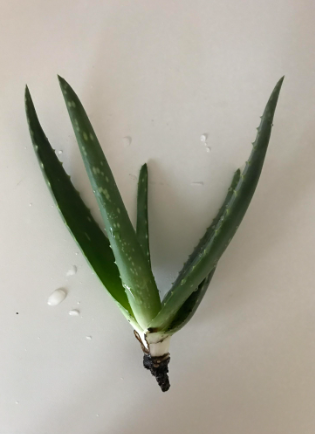
Step 1: Immediate actions: Remove affected roots, dry the plant, and repot in well-draining soil
- Carefully remove your aloe vera from its pot.
- Gently brush away soil and examine the roots.
- Using sterilized pruning shears, cut away all mushy, discolored, or blackened roots.
- Let the plant air dry for 24 hours in a shaded, well-ventilated area.
- Repot the aloe in a clean pot with drainage holes and fresh, well-draining cactus or succulent mix.
- Do not water immediately after repotting; wait until the soil dries out.
Step 2: Long-term treatment plan: Adjust watering schedule, improve soil drainage, and consider natural remedies like hydrogen peroxide
- Water only when the top inch of soil is completely dry.
- Use pots with drainage holes to prevent water accumulation.
- Mix in sand or perlite to improve soil drainage.
- For natural assistance, some growers recommend applying a diluted hydrogen peroxide solution (1 part hydrogen peroxide to 4 parts water) to the soil to kill fungal spores and promote root healing.
Step 3: What to expect during recovery: Signs of improvement, patience, and ongoing care
- You should see new, healthy root growth within a few weeks.
- The plant’s leaves will regain their firmness and color.
- Be patient—recovery can take time, especially if the root rot was severe.
- Continue monitoring soil moisture and avoid overwatering.
Section 4: Prevention Tips
How to prevent root rot from recurring in your aloe vera
Care routine adjustments: Water only when the topsoil is dry, use proper pots with drainage holes
- Adopt a strict watering schedule: Water every 3-4 weeks, or when the soil is dry.
- Always use pots with drainage holes to let excess water escape.
- Use a well-draining succulent or cactus soil mix, or amend regular potting soil with sand or perlite.
Environmental factors: Maintain ideal temperature, avoid overwatering, and regularly inspect roots
- Keep your aloe vera in a warm, bright spot with indirect sunlight.
- Avoid placing the plant in overly humid environments.
- Regularly inspect your plant’s roots and soil for early signs of trouble.
- Repot every 1-2 years to refresh the soil and give roots space to grow.
Conclusion
Recapped: identify root rot early, treat promptly, and adopt good watering and soil practices
Learning how to fix aloe vera root rot involves recognizing symptoms early, diagnosing the root causes, and taking swift action to save your plant. Removing affected roots, adjusting watering habits, and improving drainage are key steps to recovery.
Encouragement: Don't worry—your aloe vera can recover with attentive care and patience
Remember, root rot is a common issue, and with the right approach, your aloe vera can bounce back stronger than ever. Patience and consistent care are your best tools.
Next steps: Implement the treatment steps and follow prevention tips to keep your plant healthy
Start by examining your plant today—remove any diseased roots, repot properly, and adjust your watering routine. With these efforts, your aloe vera will thank you with lush, healthy growth.
FAQ
Q: How long until I see improvement after treatment?
A: Typically, you can expect to see signs of recovery within 2 to 4 weeks. New root growth may begin gradually, and healthy leaves will regain their firmness and color. Patience and consistent care are essential during this period.
Q: Will my aloe vera fully recover from root rot?
A: Many aloe vera plants recover fully if the root rot is caught early and treated properly. Severe root damage may limit the plant’s growth or lead to partial recovery, but with proper care, it can still thrive again.
Q: Should I prune or cut away the affected roots?
A: Yes. Carefully prune away all mushy, discolored, or blackened roots with sterilized scissors or pruning shears. Removing diseased tissue encourages healthy new growth and reduces the risk of spreading infection.
Taking proactive steps and caring attentively for your aloe vera can turn a root rot crisis into an opportunity for a healthier, more resilient plant. Keep these tips in mind, and happy planting!