Are you noticing that your Calathea's beautiful leaves are feeling soft or limp? Don't worry, you're not alone.
This is a common concern among indoor plant enthusiasts, especially those new to caring for this vibrant, beautifully patterned plant. In this guide, we'll explore the reasons behind soft leaves, how to diagnose what might be causing the problem, effective remedies to revive your plant, and tips to prevent future issues. Most importantly, remember that most leaf softening problems are easily fixable with proper care and attention. Your Calathea can recover and thrive once its needs are correctly met!
Section 1: Understanding the Problem
Visual Identification of Soft, Wilted, or Drooping Leaves
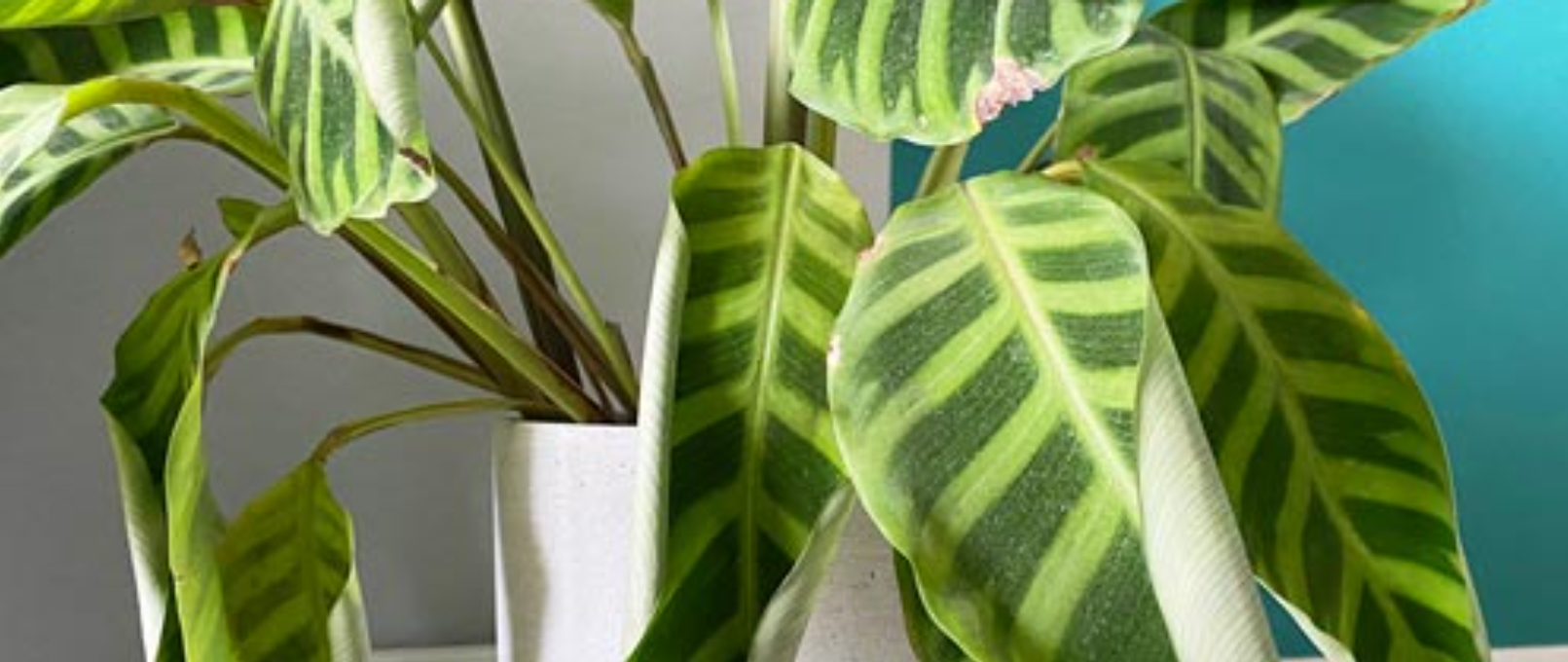
Soft or limp leaves are typically easy to spot—they may feel like they are hanging or sagging, and may lack the firm, turgid feel of healthy leaves. You might notice that the leaf edges are curling or curling downward, and the overall plant appears droopy or wilted. Sometimes, the damage is localized, with only certain leaves softening, while other parts of the plant remain healthy.
Common Causes Overview
Soft leaves in Calathea can result from various factors, but the most frequent culprits are:
- Overwatering, leading to root rot and poor oxygenation
- Underwatering, causing dehydration and loss of leaf turgor
- Low humidity, dehydrating delicate leaf tissues
- Pests like spider mites or mealybugs that weaken plant health
- Diseases, especially fungal or bacterial infections Understanding these causes is the first step toward restoring your plant’s health.
Section 2: Diagnosing the Exact Cause
Achieving a successful recovery starts with correctly diagnosing what's happening to your Calathea. Here's a step-by-step process:
Cause 1: Overwatering Leading to Root Rot and Poor Oxygenation
- Symptoms: Roots may appear brown, soft, or mushy when you gently remove the plant from its pot.
- Diagnostic cue: Excess water in the soil, particularly if the soil feels waterlogged or remains wet for extended periods.
Cause 2: Underwatering Causing Dehydration and Loss of Turgor
- Symptoms: Dry, brittle soil, and leaves that feel limp and papery.
- Diagnostic cue: If the soil feels dry several inches below the surface and the plant shows signs of dehydration like crispy leaf edges.
Cause 3: Low Humidity Levels Dehydrating Leaf Tissues
- Symptoms: Soft leaves with edges that might curl or show browning tips.
- Diagnostic cue: Living in dry indoor environments, especially during winter when heating dries out air.
How to Tell Which Cause Applies
- Check the soil moisture with your finger or a moisture meter.
- Inspect the roots if possible—healthy roots are firm and white, while rotting roots are brown or black.
- Assess your room’s humidity level (ideal for Calathea: 60-80%).
- Observe watering schedule and frequency—overwatering often coincides with soggy soil, while underwatering is marked by dry soil and wilted leaves.
Section 3: Treatment Solutions
Once you've diagnosed the cause, implementing targeted remedies is crucial:
Immediate Actions
- Adjust watering habits: Water only when the top inch of soil feels dry.
- Improve humidity: Use a humidifier, place a tray of water near the plant, or group plants together to increase ambient moisture.
- Inspect roots for rot: Gently remove the plant from its pot, trim away any mushy, brown roots with sterilized scissors, and repot in fresh, well-draining soil.
Long-term Treatment Plan
- If root rot is detected, repot your Calathea into a clean pot with excellent drainage.
- Establish a consistent watering schedule that suits your indoor environment.
- Regularly mist or use humidifiers to keep humidity levels optimal.
- Use a balanced, water-soluble fertilizer during the growing season to support healthy leaves.
Monitoring Recovery
- Signs of improvement include leaves regaining firmness, new healthy leaves, and overall plant vigor.
- Remove any remaining severely damaged leaves to allow the plant to direct energy toward new growth.
- Keep observing your plant to catch any recurring issues early.
Section 4: Prevention Tips
Prevention is always better than cure. Here are some essential tips to keep your Calathea thriving:
Care Routine Adjustments
- Water properly: Water thoroughly but infrequently, always checking soil moisture before watering.
- Maintain humidity: Use humidifiers, pebble trays, or regular misting, especially in dry seasons.
- Provide appropriate lighting: Bright, indirect light helps maintain vibrant leaf colors and overall health.
Environmental Factors to Monitor
- Ensure excellent drainage when repotting—use pots with drainage holes.
- Keep the plant away from drafts or direct heat sources that can dry out leaves.
- Regularly check for pests and treat infestations promptly with natural or chemical controls.
Conclusion
Recap of Diagnosing and Fixing Soft Leaves
Understanding why your Calathea has soft leaves involves observing your plant’s environment, inspecting its roots, and adjusting care routines accordingly. The most common causes—overwatering, underwatering, and low humidity—are easily managed once identified.
Encouragement
With attentive and consistent care, your Calathea can recover from softness and flourish once again. Its lush, patterned foliage will once more become the centerpiece of your indoor space, bringing freshness and vibrant beauty to your home.
Next Steps
Start by assessing your plant’s watering habits and environment. Adjust watering schedules, increase humidity, and ensure proper lighting. Regularly monitor your plant’s response, and soon you'll see signs of healthy, sturdy, and lively leaves. Your green friend depends on your care—so take small, consistent steps to keep it happy and healthy.
FAQ
Q: How long until I see improvement after adjusting care?
A: Typically, you may notice signs of recovery within a week or two. New growth will often be firmer and healthier, while existing leaves may stiffen if their damage was mild. Be patient and consistent with your care routine.
Q: Can I save my Calathea if the damage is severe?
A: Yes, with prompt action. Remove any severely damaged leaves, check for root rot, and correct watering and humidity issues. Severe damage may take time to recover, but most Calatheas respond well to proper care.
Q: Should I prune wilted or damaged leaves?
A: Yes, prune away limp, discolored, or severely damaged leaves. This encourages the plant to concentrate its energy on healthy new growth and improves overall appearance.
By following these guidelines, you’re well on your way to reviving your Calathea’s soft, drooping leaves and ensuring it remains a lively, striking addition to your indoor garden. Happy plant parenting!