Learn effective ways to fix and prevent brown tips on your Aloe Vera. Whether you're a budding indoor plant enthusiast or a seasoned green thumb, noticing brown tips on your Aloe Vera can be worrying. But don't worry—this is a common issue many plant lovers face, and with the right care adjustments, your Aloe Vera can recover beautifully.
In this article, we'll guide you through understanding the causes of brown tips, diagnosing what's affecting your plant, applying targeted treatments, and implementing easy prevention strategies. With a little patience and care, your Aloe Vera can be healthy, vibrant, and lush once again.
Section 1: Understanding the Problem
Visual identification of brown tips
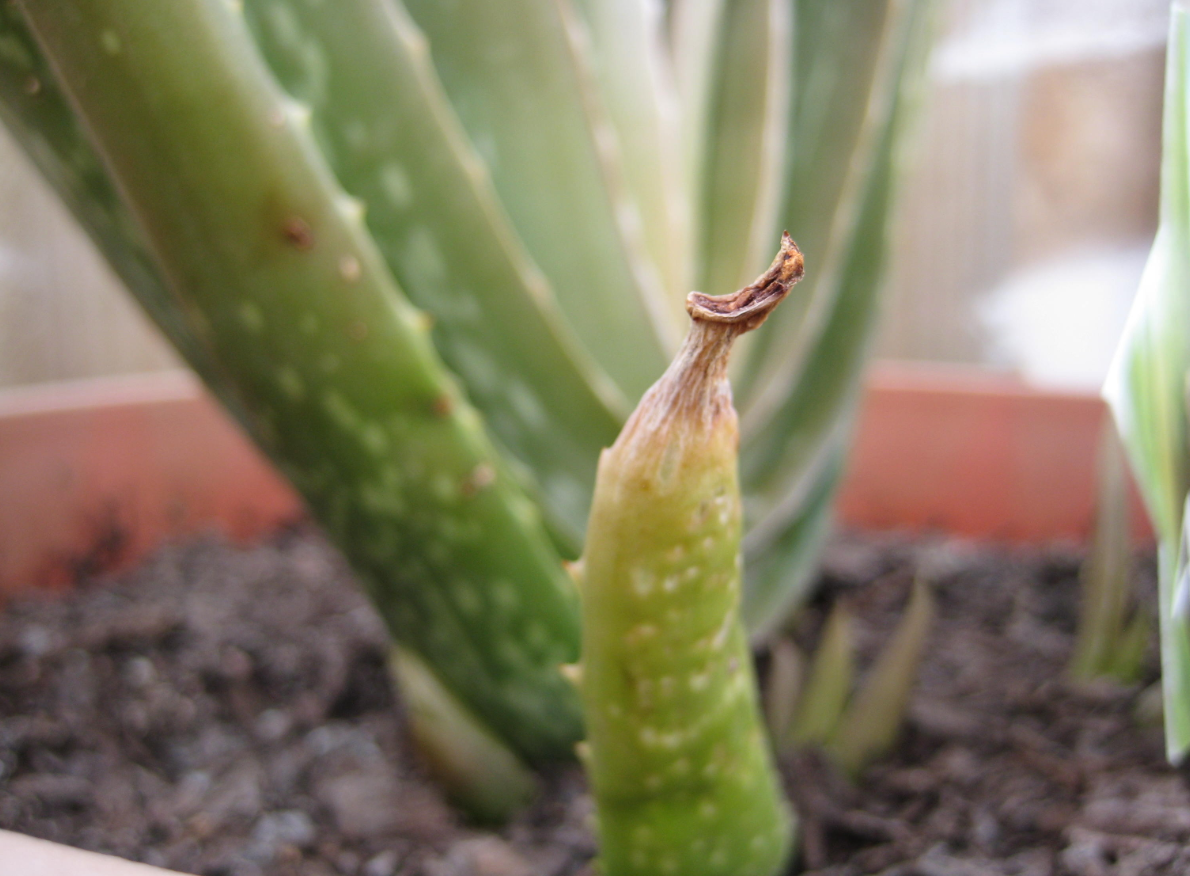
Brown tips on Aloe Vera typically appear as dry, discolored edges at the leaf's tip or along the margins. They can range from light tan to deep brown and may be accompanied by shriveled or curled leaf edges. Sometimes, the brown area can be localized, affecting just a small part of the leaf, or more widespread.
Common causes overview
Several factors can cause brown tips on your Aloe Vera. Recognizing these causes is essential for effective treatment:
- Overwatering or poor drainage: Excess water can lead to root rot and cause leaf tips to turn brown.
- Underwatering: Insufficient water results in dehydration, leading to dry, crispy leaf edges.
- Low humidity: Dry indoor air can cause leaf tips to dry out.
- Nutrient deficiency or salt buildup: Excess fertilizer salts or lack of nutrients can damage leaf tissues.
- Physical burns or sun damage: Too much direct sunlight or heat stress can scorch leaf tips, turning them brown.
- Mechanical damage or improper handling: Rough or accidental damage can also be a factor. Understanding which of these causes apply to your Aloe Vera will set the foundation for proper care.
Section 2: Diagnosing the Exact Cause
Follow a step-by-step process to identify what's harming your Aloe Vera
Accurate diagnosis is crucial. Here's a simple way to pinpoint the cause:
Cause 1: Overwatering or poor drainage
- Check the soil moisture. If it's soggy or consistently wet, overwatering is likely.
- Feel the pot's weight; a very heavy pot indicates excess water.
- Look for signs of root rot—foul smell or black, mushy roots.
Cause 2: Low humidity or dry indoor air
- Check your area's humidity levels. In dry winter months or heated rooms, humidity drops significantly.
- Look for dry, crispy leaf tips, especially at the plant's edges.
Cause 3: Excessive direct sunlight or heat stress
- Observe if the Aloe is placed in direct sunlight for prolonged periods.
- Signs include scorch marks or browned tips after intense sun exposure.
How to tell which cause applies to your plant
- If the soil is wet and roots seem compromised, overwatering is the culprit.
- If the soil is dry but tips are crispy, low humidity or underwatering may be responsible.
- If leaves are scorched after being in direct sunlight during the hottest part of the day, sun damage is likely.
Section 3: Treatment Solutions
Immediate actions: adjust watering, relocate plant, improve humidity
- Adjust watering habits: Water only when the top inch (2.5 cm) of soil feels dry. Ensure excess water drains properly.
- Relocate your Aloe Vera: Move it to a spot with bright, indirect light, avoiding harsh midday sun.
- Increase humidity: Use a humidifier, place a tray of water nearby, or group plants together to boost ambient moisture.
Long-term treatment: proper soil, watering schedule, light management
- Use well-draining soil: A cactus or succulent mix formulated for Aloe Vera prevents water retention.
- Implement a consistent watering routine: During active growth, water every 3 weeks; in winter, reduce watering further.
- Optimize lighting: Aim for bright, indirect sunlight—about 6 hours daily— avoiding scorching rays.
Recovery expectations
- Brown tips can be pruned away if they are dead or severely damaged.
- Monitor your Aloe Vera regularly for new growth and healthier leaf tips.
- Be patient: recovery might take a few weeks with consistent care adjustments.
Section 4: Prevention Tips
Adjusting your care routine
- Water carefully: Avoid watering too frequently; always check soil moisture.
- Fertilize sparingly: Use a diluted succulent fertilizer once a month during the growing season.
- Repot when necessary: If your plant becomes root-bound or soil degrades, repot into fresh, well-draining soil.
Environmental factors
- Light exposure: Place your Aloe Vera in a bright spot with filtered sunlight or partial shade.
- Humidity and temperature: Keep the indoor environment between 60-75°F (15-24°C), and ensure adequate humidity levels.
- Protect from drafts and heat sources: Keep away from heating vents, radiators, or cold drafts that can stress the plant.
Conclusion
Summary
Brown tips on Aloe Vera are a common concern but largely manageable once you identify the root cause. Whether it's overwatering, dehydration, sun exposure, or environmental stress, taking targeted actions can restore your plant's health.
Encouragement
Remember, your Aloe Vera is resilient. With attentive care and a few adjustments, it can recover from brown tips and flourish again. Patience and consistency are key.
Next steps
Apply the tips you've learned today: check your plant’s environment, adjust watering routines, and provide proper lighting. Regular monitoring and care will reward you with a healthy, vibrant Aloe Vera that brightens your home for years to come.
FAQ
Q: How long until I see improvement after adjusting care?
A: Typically, you'll notice positive changes within 2 to 4 weeks. New leaf growth should appear healthy, and brown tips may gradually fade or be pruned away. Patience is essential as your plant recovers.
Q: Can I prune the brown tips, and should I cut back damaged parts?
A: Yes, pruning brown tips helps improve appearance and prevents further damage. Use clean, sharp scissors or pruning shears. Cut just above a healthy leaf segment, avoiding cutting into healthy tissue to prevent infection.
Q: What are the key prevention tips to keep my Aloe Vera healthy long-term?
A: Consistent watering with good drainage, adequate light exposure, avoiding over-fertilization, and maintaining suitable indoor humidity are vital. Also, inspect your plant regularly for early signs of stress, and avoid sudden environmental changes.
By following these simple steps and prevention strategies, your Aloe Vera can stay healthy, vibrant, and free from brown tips. Happy gardening!