Struggling with leggy Calathea? Learn how to diagnose the cause and apply effective solutions to encourage fuller, healthier indoor plants.
Noticing your Calathea is becoming leggy or spindly? You’re not alone, and there’s hope!
Many plant enthusiasts encounter this common issue with Calathea—its lush, compact foliage starts to stretch and become sparse, leaving it looking leggy or poorly proportioned. But before you panic, know this: with some simple adjustments, you can restore your plant’s full, bushy charm.
This article will help you identify why your Calathea is growing leggy, guide you through diagnosing the exact cause, and provide practical solutions to help your plant thrive again. Remember, patience and small, consistent care tweaks can make a significant difference. With some effort, your Calathea can regain its vibrant, healthy appearance and flourish indoors.
Section 1: Understanding the Problem
What does leggy Calathea look like?
A leggy Calathea typically features long, stretched stems with sparse or uneven leaves. Instead of a dense, rounded form, the plant appears elongated, with new leaves sometimes struggling to fill out or stay upright. This growth pattern is often a sign that it's reaching towards a light source, trying to maximize its exposure.
Why does this occur?
Legginess is usually caused by environmental imbalances—primarily related to light, nutrition, and watering. When growth conditions aren’t optimal, Calathea may stretch out in search of better light or become weakened by improper care.
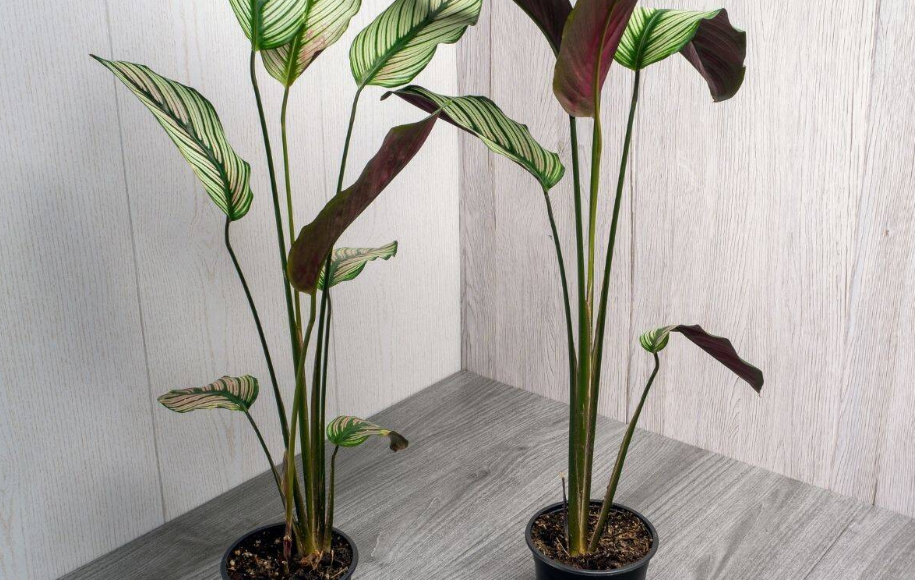
Visual identification of leggy growth in Calathea
- Elongated stems that seem stretched
- Sparse foliage with gaps between leaves
- Uneven plant shape, sometimes leaning or drooping
- Leaves that are smaller than usual or lack vibrancy
Common causes overview:
- Insufficient light: Calathea thrives in bright, indirect light. Too little light prompts stretching.
- Improper pruning: Lack of thinning and trimming can lead to weak, leggy growth.
- Nutrient deficiencies: Missing key nutrients can stunt healthy, compact growth.
- Watering issues: Overwatering or underwatering causes stress, weakening the plant’s structure.
Section 2: Diagnosing the Exact Cause
Follow these steps to pinpoint what's causing your Calathea’s leggy appearance:
Cause 1: Insufficient light
Calatheas love bright, indirect sunlight. If placed in a dim corner or behind curtains that block the light, they will stretch towards the light source, resulting in leggy growth.
Cause 2: Excessive or inadequate fertilization
Too much fertilizer can lead to nutrient imbalance, while too little results in nutrient deficiency, both harming the plant’s ability to grow densely.
Cause 3: Overwatering or underwatering
Inconsistent watering stresses the plant. Overwatering can lead to root rot, weakening the plant, while underwatering causes dehydration, both contributing to spindly growth.
How to tell which cause applies to your plant:
- Check light: Is your Calathea placed in bright, indirect light? If not, it’s likely a primary cause.
- Examine fertilization: Has it been fertilized regularly during its active growing season?
- Inspect watering habits: Is the soil consistently moist but not waterlogged? Does the plant show signs of drought or root rot? By observing these factors carefully, you can identify the main cause of leggy growth and apply targeted fixes.
Section 3: Treatment Solutions
Once you've diagnosed the cause, the next step is to implement effective remedies:
Immediate actions:
- Adjust lighting: Move your Calathea to a brighter spot with filtered light; consider using a sheer curtain or a grow light if natural light is limited.
- Refine watering: Water only when the top inch of soil feels dry. Use bottom watering or ensure good drainage to prevent water stress.
- Balance fertilization: Resume or adjust feeding with a balanced, diluted houseplant fertilizer during the active growing season, typically spring and summer.
Pruning to encourage bushier growth
- Use clean, sharp scissors or pruning shears to trim back the long, leggy stems just above a healthy leaf node.
- Remove any weak, discolored, or damaged leaves to redirect energy to healthy growth.
- Proper pruning promotes bushiness and new, compact shoots.
Long-term care plan:
- Establish a regular watering schedule—for example, watering once a week, adjusting based on season and environment.
- Use a balanced, water-soluble fertilizer every month during active growth.
- Maintain optimal humidity and temperature: Calatheas enjoy higher humidity levels, which support lush growth.
- Consider repotting if roots are crowded or if the plant is root-bound, providing more space for healthy growth.
Monitoring recovery
- Keep an eye out for new, healthy leaves filling out and stems becoming shorter and more compact.
- If you see the plant gradually improving—more vibrant foliage and fuller shape—you’re on the right track.
Section 4: Prevention Tips
Prevent future leggy growth with these simple but effective practices:
Consistent lighting
- Aim for bright, indirect light daily.
- Use sheer curtains or place the plant near east- or west-facing windows.
- If natural light is limited, invest in a grow light to supplement.
Regular fertilization
- Feed your Calathea every 4–6 weeks during the growing season with a balanced fertilizer.
- Reduce feeding in winter when growth naturally slows.
Proper watering techniques
- Water when the top inch of soil feels dry.
- Prefer bottom watering or use a moisture meter to avoid over- or under-watering.
- Ensure good drainage in the pot to prevent waterlogging.
Repotting if root space is restricted
- Repot your Calathea every 1–2 years into a slightly larger container.
- Use well-draining potting mix suitable for Calathea, rich in organic matter.
Conclusion
Recap: Recognizing the cause of your Calathea’s leggy growth allows for targeted correction. Whether it’s adjusting the light, watering, or fertilization, these small tweaks can dramatically improve your plant’s health and appearance. Encouragement: Remember, don’t be discouraged! With patience and consistent care, your Calathea can bounce back to its lush, bushy self, bringing vibrant greenery into your home. Next steps: Start diagnosing your plant today—inspect its environment, observe its growth, and implement the suggested care changes. Your green friend is capable of remarkable recovery with just a little attention.
FAQ
Q: How long until I see improvement after fixing watering or lighting?
A: Generally, you can expect to see noticeable changes within 2–4 weeks. New, healthy leaves may begin to emerge, and stems will become less stretched. Consistency is key to encouraging full recovery.
Q: Can my Calathea recover fully from leggy growth?
A: Yes, with proper care adjustments, most Calatheas can regain a full, bushy appearance. Patience and ongoing maintenance will support healthy growth over time.
Q: Should I prune back all the leggy stems or just some?
A: It’s best to prune selectively—remove the most leggy, weak, or damaged stems just above a healthy leaf node. This practice stimulates bushier new growth and maintains a balanced shape.
With these insights and care strategies, you’re well on your way to nurturing a thriving, beautiful Calathea. Happy plant parenting!