Discover why your Peace Lily's leaves turn yellow and learn effective troubleshooting, treatment, and prevention tips to restore its health.
Introduction
Noticing your Peace Lily's leaves turning yellow can be quite alarming — you might worry about whether your plant is dying or somehow suffering from a serious problem. But don’t panic! Often, yellowing leaves are a normal part of plant lifecycle changes or signals that can be addressed with simple adjustments. In this guide, we'll explore the common causes behind yellow leaves in Peace Lilies, how to accurately diagnose what’s going wrong, practical solutions to revive your plant, and easy prevention tips to keep it lush and healthy. With a little care and patience, your Peace Lily can bounce back to vibrant health, brightening your home with its cheerful presence.
Section 1: Understanding the Problem
Visual Identification
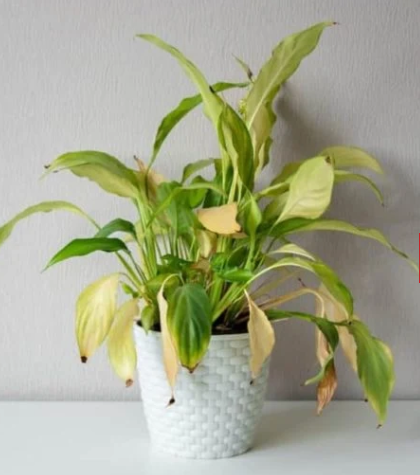
Yellow leaves on a Peace Lily usually appear as discolored patches or edges turning from rich green to pale yellow or even cream. These leaves may remain soft or wilted, sometimes showing brown tips or spots as the yellowing progresses. In some cases, multiple leaves turn yellow simultaneously, indicating an ongoing issue.
Common Causes Overview
Understanding why your Peace Lily’s leaves are yellow involves considering several factors:
- Overwatering: Excess water can suffocate roots, leading to root rot and yellowing leaves.
- Underwatering: Insufficient water causes dehydration, making leaves lose their vibrant color.
- Improper Lighting: Too little light results in weak, yellowish leaves; too much direct sun can scorch foliage.
- Nutrient Deficiencies: Lack of essential nutrients like nitrogen can cause yellowing, especially in mature plants.
- Root Problems: Root damage through pests or rot impairs nutrient uptake, leading to discoloration.
Section 2: Diagnosing the Exact Cause
Step-by-step process to identify what’s causing yellow leaves on your Peace Lily:
Cause 1: Overwatering or Poor Drainage
- Check the soil moisture by inserting your finger about an inch deep. If it feels soaked or soggy, overwatering is likely.
- Examine the pot for water drainage holes. Poor drainage leads to water pooling, which can rot roots and cause yellowing.
- Look for signs of root rot: a foul smell or dark, mushy roots when you gently remove the plant from the pot.
Cause 2: Insufficient Light
- Observe the plant’s location. Peace Lilies thrive in bright, indirect light.
- If placed in a dim corner or a room with little natural light, the leaves may yellow and weaken.
- Conversely, if your plant is in direct sunlight, leaf scorch can also cause yellowing along edges.
Cause 3: Nutrient Deficiency
- Consider the age of your plant. Older Peace Lilies need regular feeding.
- If you haven’t fertilized recently or have been using imbalanced fertilizer, the plant might lack nitrogen or other nutrients, leading to yellow leaves.
How to tell which cause applies:
- Overwatering signs — soggy soil, rotting roots, persistent yellowing.
- Underexposure to light — pale, weak leaves, stretching stems.
- Nutrient issues — older leaves turning yellow first, especially if the plant has been growing for a while without fertilization.
Section 3: Treatment Solutions
Immediate Actions
- Adjust your watering routine: Allow the soil to dry out slightly between waterings. For overwatered plants, reduce watering frequency.
- Improve drainage: Ensure your pot has drainage holes. Consider repotting into a well-draining potting mix if necessary.
- Relocate to brighter, indirect light: Move your Peace Lily closer to a window with filtered light, avoiding direct sun.
Long-term Plan
- Fertilize appropriately: Use a balanced houseplant fertilizer every 4-6 weeks during active growth seasons. Avoid overfeeding.
- Repot if root issues are evident: Gently remove the plant, trim away any rotten roots, and replant in fresh soil.
- Clean damaged leaves: Remove yellow or brown leaves with clean pruning scissors to encourage new growth.
Recovery Expectations
- With proper care, you might start seeing improvement within a few weeks.
- New healthy leaves should emerge, and the overall color of your plant can return to vibrant green.
- Patience is key—sometimes, it takes time for roots to recover and for new growth to appear.
Section 4: Prevention Tips
Adjust Your Care Routine
- Water only when the top inch of soil feels dry.
- Use room-temperature, distilled, or rainwater if possible, to avoid mineral buildup.
Monitor Environmental Factors
- Place your Peace Lily in bright, indirect light. A spot near an east- or west-facing window often works well.
- Maintain humidity levels around 50-60%, especially in dry indoor environments. Misting or using a humidity tray can help.
Regular Inspection
- Check your plant weekly for signs of pests, disease, or stress.
- Examine soil moisture and adjust watering as needed.
- Look for early signs of yellowing or drooping — early intervention prevents major damage.
Conclusion
Recap: If you're asking, "Why is my Peace Lily having yellow leaves?", it's usually due to overwatering, inadequate lighting, nutrient deficiency, or root problems. By carefully diagnosing the issue — checking soil moisture, light exposure, and root health — you can implement targeted solutions. Regular watering, proper fertilization, optimal lighting, and diligent monitoring are key to maintaining a lush, healthy Peace Lily. Remember, your plant's yellow leaves are often a wake-up call rather than a death sentence. With attentive care, emotional investment, and a little patience, your Peace Lily can recover beautifully and bring lively greenery into your home once again. Start today: Diagnose your plant’s specific needs and give it the treatment it deserves!
FAQ
Q: How long will it take my Peace Lily to recover after treatment?
A: Typically, you can expect to see signs of recovery within 2-4 weeks if you correct the underlying problems. New, vibrant green leaves should start emerging as the plant regains health, and existing yellow leaves may not turn green again but can be pruned to encourage new growth.
Q: Can yellow leaves turn green again?
A: Once a leaf has turned yellow due to age or stress, it generally cannot turn green again. However, new leaves emerging after proper care will be healthy and green. Pruning yellow or dead leaves helps redirect the plant’s energy to healthy growth.
Q: Should I prune all the yellow leaves immediately?
A: Yes, it’s best to prune yellow leaves because they’re no longer functioning optimally and can sometimes harbor pests or diseases. Use clean, sharp scissors or pruning shears, and cut at the base of the leaf stem to encourage tidy growth.
By understanding your Peace Lily’s needs and promptly addressing any issues, you can enjoy a vibrant, thriving plant that brightens your indoor space for years to come. Happy gardening!