Discover why your Spider Plant is becoming leggy and learn effective solutions to promote fuller, healthier growth with simple care tips.
Introduction
Noticing your Spider Plant stretching long, weak stems? You're not alone—leggy growth is a common issue that can leave your plant looking sparse and stressed. But don't worry! With a little understanding and some straightforward adjustments, you can help your Spider Plant thrive again. This article explains why your Spider Plant may become leggy, how to diagnose the cause, and offers simple, effective solutions that are friendly for indoor plant enthusiasts at all levels. Rest assured, with patience and proper care, your beloved plant can become lush, bushy, and vibrant once more. Let’s dive in!
Section 1: Understanding the Problem
What Does Leggy Growth Look Like?
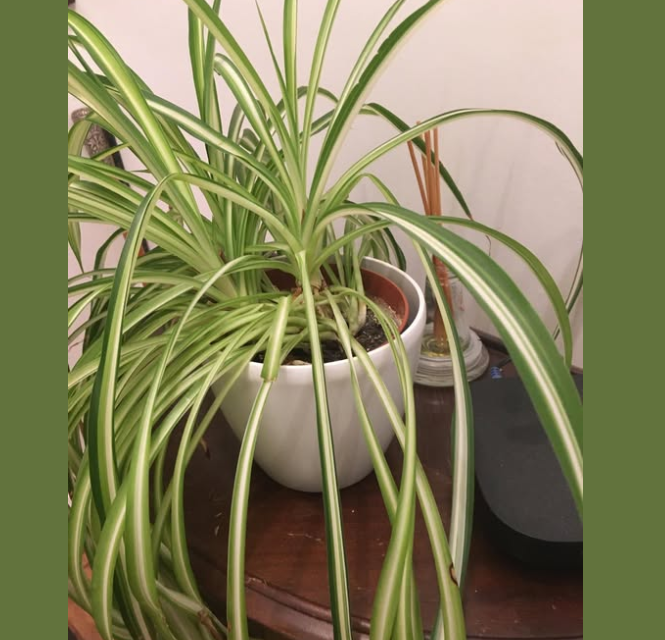
Leggy growth in a Spider Plant typically exhibits long, thin stems that appear weak and sparse. Instead of the usual bushy and full appearance, your plant may have:
- Stretched-out stems with minimal foliage
- Leaves concentrated at the top or tips
- Gaps between leaves, creating an airy, open look This condition often makes the plant look unhealthy or underdeveloped, which can be concerning for any indoor gardener.
Common Causes of Leggy Growth
Several factors contribute to leggy growth in Spider Plants, including:
- Insufficient Light: Spider Plants love bright, indirect sunlight. When they don’t receive enough light, they tend to stretch towards the nearest light source, resulting in elongated stems.
- Over-Fertilization: Excessive fertilizer can promote rapid, weak growth that lacks density.
- Environmental Stress: Drafts, low humidity, or sudden temperature changes can cause plants to become stressed, leading to abnormal growth patterns. Understanding these causes helps you identify what's affecting your plant and plan appropriate remedies.
Section 2: Diagnosing the Exact Cause
Step-by-Step Diagnosis
To effectively address the leggy growth, first determine what’s specifically affecting your plant. Here's how:
Cause 1: Insufficient Light—Signs and Explanation
- Signs: Stretched stems, pale or yellowing leaves, slow growth.
- Explanation: Spider Plants thrive in bright, filtered sunlight. Without enough light, they stretch in search of illumination, causing elongated, weak stems.
Cause 2: Improper Watering or Fertilization—Impact on Growth
- Signs: Wilting or drooping stems, yellowing tips, or uneven growth.
- Explanation: Overwatering can lead to root rot, while over-fertilization encourages rapid but weak top-heavy growth, making stems lanky.
Cause 3: Environmental Stresses (Drafts, Low Humidity)
- Signs: Browning leaf edges, dry tips, sluggish growth.
- Explanation: Drafts or dry air can stunt overall growth and induce stress responses, including legging out.
How to Tell Which Cause Is Affecting Your Plant
Observe your plant closely:
- Is it placed in a dark corner? Likely light deficiency.
- Are the leaves yellowing or tips browning? Possibly over-fertilized or underwatered.
- Is your home drafty or dry? Environmental stress may be the culprit. Accurate diagnosis allows targeted action for the best results.
Section 3: Treatment Solutions
Once you've identified the cause, take action with these practical solutions:
Improve Light Exposure
- Relocate Near Bright Windows: Place your Spider Plant in a spot with bright, indirect sunlight—like east or west-facing windows.
-
Use Grow Lights: Supplement natural light with full-spectrum grow lights, especially during winter months or in shady rooms.
-
Rotate Your Plant: Turn your plant regularly to ensure even light exposure to all stems and leaves.
Adjust Watering and Fertilization
- Water Properly: Allow the top inch of soil to dry out before watering again. Consistent, balanced watering promotes healthy, dense growth.
- Fertilize Wisely: Use a balanced, water-soluble fertilizer diluted to half strength every 4-6 weeks during the growing season. Avoid over-fertilizing, which encourages weak, leggy stems.
Prune Leggy Stems
- Trim Carefully: Use clean scissors or pruning shears to cut back the elongated stems just above a leaf node. This stimulates the plant to produce new, bushier growth.
- Encourage Bushiness: After pruning, the plant may focus energy on developing fuller growth, resulting in a more compact look.
Natural Remedies and Pests
- Watch for Pests: Sometimes pests like spider mites or mealybugs can weaken plant health, leading to poor growth. Use natural remedies such as diluted cinnamon or neem oil if pests are present.
- Ensure Good Air Circulation: Proper airflow reduces disease and stress, promoting healthier, fuller growth.
Long-Term Care Tips
- Keep your plant in a suitable environment with stable temperature and humidity.
- Avoid sudden changes in light or temperature.
- Regularly check soil moisture to maintain proper watering habits.
Section 4: Prevention Tips
Prevention is key to maintaining a healthy, full Spider Plant. Here are some easy-to-follow strategies:
Consistent, Adequate Light
- Place your Spider Plant where it receives filtered, bright light for most of the day.
- Use sheer curtains to diffuse direct sunlight and prevent leaf scorch.
Proper Watering & Fertilization
- Stick to a regular watering schedule based on seasonal needs.
- Use mild, balanced fertilizer only when necessary, typically during the active growing season.
Pot Size & Repotting
- Use pots with drainage holes to prevent overwatering.
- Repot your plant every 1-2 years or when it outgrows its current container to promote healthy root development and dense foliage.
Humidity & Draft Control
- Maintain humidity levels around 40-60%—use a humidifier if needed.
- Keep your plant away from drafts, heaters, or air conditioning vents that can stress the plant.
Conclusion
Proper lighting, watering, and pruning are the essentials to prevent and correct leggy growth in your Spider Plant. By understanding the specific causes of your plant’s lanky stems, you can implement targeted solutions that encourage it to grow fuller and healthier. Remember, patience and consistent care are your best tools. Don’t be discouraged—your Spider Plant can regain its lush, vibrant appearance with the right adjustments. Start today by evaluating its current conditions, making small improvements, and watching it thrive once again.
FAQ
Q: How long does it take to see improvement after adjusting care?
A: Typically, you should start noticing changes within 2-4 weeks. New, healthier growth will gradually fill in and replace leggy stems as your plant adjusts to better conditions.
Q: Can I prune my leggy stems without harming the plant?
A: Absolutely! Pruning leggy stems is a safe and beneficial practice. Use clean, sharp scissors to trim just above a leaf node, encouraging bushier growth and removing weak, elongated stems.
Q: What other signs indicate my Spider Plant needs more light or water?
A: Pale or yellowing leaves, slow growth, or stretching stems are signs of insufficient light. Wilting, browning leaf edges, or dry tips often signal improper watering or low humidity. Regular observation helps you catch and correct these issues early.
Take these insights and care tips to heart, and soon your Spider Plant will be the lush centerpiece you envision!