Are you worried about your beloved ZZ plant showing signs of distress? Root rot might be the culprit, but don’t despair—it's a common issue that can often be reversed with the right approach. In this comprehensive guide, I’ll walk you through how to diagnose, treat, and prevent ZZ plant root rot, so you can revive your plant and keep it thriving for years to come. With patience, proper care, and a little bit of know-how, your ZZ plant can bounce back beautifully. Let’s get started!
Section 1: Understanding the Problem
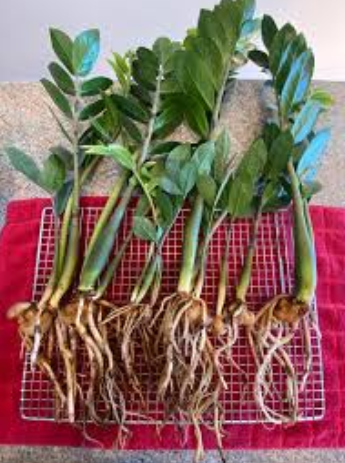
Learn how to recognize root rot in your ZZ plant and understand why it occurs.
Root rot is a common problem among indoor plants, especially those like ZZ plants that are often overwatered or kept in poorly draining soil. Recognizing the early signs is key to saving your plant.
Visual identification — browning, mushy roots, stunted growth
- Browning or blackening roots: Healthy roots are firm and white or light tan; rotting roots turn dark brown or black.
- Mushy texture: A telltale sign of root rot is roots that feel soft, slimy, or mushy to the touch.
- Stunted or yellowing leaves: The plant may appear weak, with leaves that are yellow, wilted, or drooping.
- Foul smell: Sometimes, rotting roots emit a foul odor, indicating decay.
Common causes overview — overwatering, poor drainage, low light
- Overwatering: The most frequent cause; ZZ plants prefer infrequent watering and well-draining soil.
- Poor drainage: Soil that retains too much water can suffocate roots, leading to rot.
- Low light conditions: Insufficient light weakens the plant, making it more susceptible to root issues, although overwatering remains the primary culprit.
Section 2: Diagnosing the Exact Cause
Follow these steps to confirm root rot and identify underlying issues.
Proper diagnosis is essential before taking action. Here’s how to confirm root rot and determine the cause.
Cause 1: Overwatering leading to waterlogged soil
- Check the top inch of soil—if it’s consistently wet or soggy, overwatering is likely the issue.
- Notice if the plant’s pot feels unusually heavy or if excess water is draining slowly.
Cause 2: Poor drainage or compacted soil trapping excess moisture
- Inspect the soil texture; compacted or clay-heavy soil retains moisture longer.
- Confirm if your pot lacks drainage holes or if they are blocked.
Cause 3: Low light conditions weakening plant health
- Observe the plant’s location; a spot with minimal indirect sunlight can weaken its overall health, making it more vulnerable.
How to tell which cause applies to your plant — signs to observe
- Overwatering signs: consistently wet soil, mushy roots, foul smell.
- Drainage issues: water pooling at the bottom, soil staying wet long after watering.
- Low light signs: leggy growth, pale leaves, slow recovery.
Section 3: Treatment Solutions
Effective methods to save your ZZ plant from root rot and promote recovery.
Once you’ve diagnosed the problem, it's time for action.
Step 1: Immediate actions — remove affected roots, repot in fresh soil
- Gently remove your ZZ plant from its pot.
- Carefully wash away soil to expose the roots.
- Use sterilized scissors or pruning shears to cut away all mushy, brown, or black roots. Healthy roots are firm and white or light tan.
- Dispose of the affected roots and old soil to prevent re-infection.
- Repot your ZZ plant into a clean pot with fresh, well-draining soil formulated for succulents or indoor plants.
- Ensure the new pot has drainage holes.
Step 2: Long-term treatment plan — adjust watering schedule, improve drainage, monitor environmental conditions
- Water only when the top inch of soil feels dry.
- Use a pot with good drainage, and consider adding perlite or coarse sand to improve soil aeration.
- Place your ZZ plant in bright, indirect light to promote healthy growth.
- Avoid overwatering—remember, ZZ plants are drought-tolerant and prefer infrequent watering.
- Maintain good airflow and moderate humidity levels.
Step 3: What to expect during recovery — regrowth timeline and care tips
- Initially, your plant may look stressed, but with proper care, new roots will develop within a few weeks.
- New leaves might appear after a couple of months.
- Be patient, and continue to provide ideal conditions, avoiding overwatering.
Section 4: Prevention Tips
Simple steps to prevent root rot and keep your ZZ plant healthy.
Prevention is always better than cure. Here are practical tips to keep root rot at bay:
Care routine adjustments — watering habits, soil choice
- Water only when the topsoil is dry.
- Use a well-draining soil mix designed for succulents or cacti.
- Avoid leaving excess water in saucers; empty them regularly.
Environmental factors to monitor — light, humidity, pot drainage
- Position your ZZ plant in bright, indirect sunlight.
- Maintain moderate humidity; ZZ plants are adaptable to typical indoor conditions.
- Ensure the pot has sufficient drainage holes; consider gravel or stones at the bottom for extra drainage.
Conclusion
Recap of diagnostic steps, treatment methods, and prevention strategies for ZZ plant root rot.
Diagnosing root rot involves checking for mushy, discolored roots, and understanding watering habits and soil conditions. Treatment includes carefully removing affected roots, repotting in fresh soil, and adjusting your care routine to prevent recurrence. Regularly monitor watering, soil drainage, and light conditions to keep your ZZ plant healthy.
Encouragement
Remember, with patience and proper care, your ZZ plant can recover and flourish again. Don’t be discouraged—every plant owner encounters challenges, and each one is an opportunity to learn and grow as a plant parent.
Next steps
Start by inspecting your plant thoroughly, follow the treatment plan, and implement prevention tips. Soon, your ZZ plant will be back to its vibrant, thriving self!
FAQ
Q: How long until I see improvement after treatment?
A: Typically, you’ll notice signs of recovery within a few weeks—new roots may begin to form, and leaves will start to regain their healthy appearance. Complete recovery might take a couple of months, depending on the severity.
Q: Can my ZZ plant fully recover from severe root rot?
A: Yes, if you catch the root rot early enough and follow proper treatment, your ZZ plant can recover fully. In severe cases with extensive root loss, some leaves might not recover, but new growth can appear with care.
Q: Should I prune all the damaged roots even if some appear healthy?
A: Yes. Cutting away all mushy or discolored roots helps prevent re-infection and encourages healthy root growth. Only leave roots that are firm and healthy.
By following these practical steps, your ZZ plant will thank you with lush, vibrant foliage. Happy planting!