Struggling with leggy Philodendron? Learn diagnostic steps, practical solutions, and prevention tips to promote healthier, bushier indoor plants.
Introduction
Noticing your Philodendron stretching out or becoming leggy? You're not alone, and there's help available. Many indoor plant enthusiasts face this common issue, especially with Philodendron varieties known for their lush, full growth when cared for properly. Leggy growth not only affects the plant’s appearance but can also indicate underlying problems with care or environment. This guide will help you understand why your Philodendron is growing leggy, how to diagnose the cause, and what practical solutions you can implement. With some simple adjustments, your plant can regain its bushy, vibrant look. Let’s get started!
Section 1: Understanding the Problem
Visual Identification of Leggy Growth
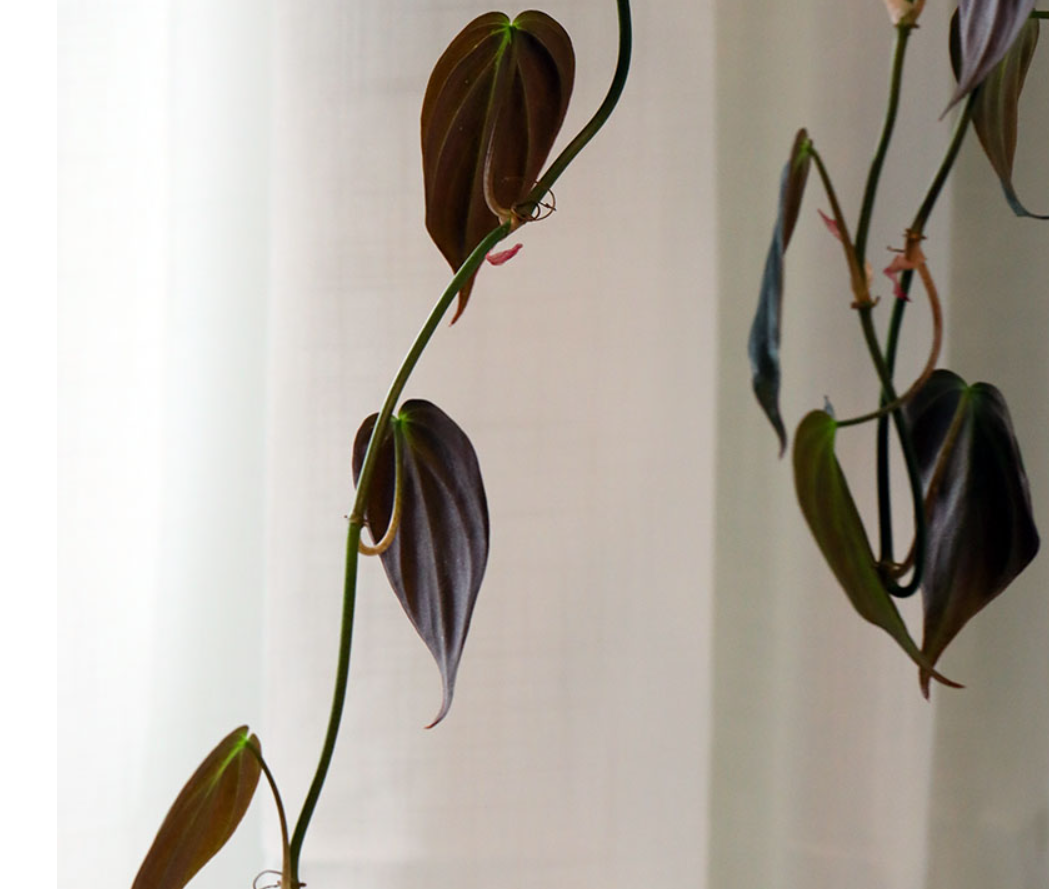
Leggy Philodendron plants typically display long, thin stems with sparse leaves, giving them a stretched-out appearance. Instead of dense foliage, you see gaps between leaves, and the plant may seem to be "reaching" for light. You might notice:
- Elongated stems: stems are longer than normal, with more space between leaves
- Sparse foliage: fewer leaves per stem and an overall thin look
- Uneven growth: some stems grow more than others, often leaning or stretching out
Common Causes Overview
Several environmental and cultural factors can lead to legginess, including:
- Insufficient light: lack of bright, indirect light causes plants to stretch toward the nearest light source.
- Over-fertilization: excess nutrients, especially nitrogen, can promote rapid, weak, and elongated growth.
- Improper pruning: neglecting to prune or pinch back helps shape the plant and encourages bushier growth. Understanding these causes will help you effectively address the problem.
Section 2: Diagnosing the Exact Cause
Cause 1: Low Light Levels
Philodendrons thrive in bright, indirect light. When they don’t receive enough light, they instinctively stretch out their stems searching for sunlight, resulting in leggy growth. Signs include:
- Long, thin stems with few leaves
- Pale or dull leaf coloration
- Gaps between leaves Diagnostic tip: Place your plant in a brighter spot near east-facing windows or use grow lights to simulate natural light conditions.
Cause 2: Excessive Fertilization
Overfeeding can lead to lush, rapid growth that is weak and elongated, especially if the nutrients are not balanced. Over-fertilized plants may develop:
- Spindly stems
- Weak, floppy foliage
- Discolored leaf tips or margins Diagnostic tip: Review your fertilization schedule, ensuring you're using a balanced, diluted fertilizer during the growing season and avoiding overapplication.
Cause 3: Lack of Pruning
When you don’t prune or pinch back your Philodendron, it can grow unchecked, encouraging long, leggy stems rather than dense bushy growth. Untested stems tend to become elongated over time.
How to Tell Which Cause Applies to Your Plant
Answer these questions:
- Does your plant sit in a spot with limited natural light?
- Have you been fertilizing frequently or with high nitrogen fertilizers?
- Have you been pruning or pinching the stems regularly?
Based on your answers, you can prioritize corrective actions.
Section 3: Treatment Solutions
Immediate Actions
- Relocate to a brighter spot: Move your Philodendron closer to an east-facing window or under a grow light to increase light exposure.
- Reduce fertilization: Cut back on feeding, especially high-nitrogen fertilizers, and switch to a balanced, diluted formula if needed.
- Prune leggy stems: Using clean, sharp scissors or pruning shears, cut back the elongated stems just above a node to encourage bushier growth.
Long-term Care
- Maintain appropriate lighting: Consistently provide bright, indirect light. Natural light is ideal, but supplemental grow lights can be invaluable, especially during winter or in low-light homes.
- Follow fertilization schedules: Feed your Philodendron once a month during the active growing season (spring and summer) with a balanced fertilizer. Avoid overdoing it.
- Prune regularly: Pinch or prune new growth to encourage side shoots and a denser, more compact plant.
Recovery Expectations
With proper care, you can expect your Philodendron to start producing new, stronger shoots within a few weeks. Continued attention to light and pruning will result in a healthier, bushier plant over time, restoring its lush appearance.
Section 4: Prevention Tips
Optimize Lighting
- Place your Philodendron near east or bright indirect light sources.
- Use sheer curtains to diffuse intense sunlight that can scorch leaves.
- If natural light is limited, supplement with LED grow lights to mimic the plant’s ideal light conditions.
Adjust Watering and Fertilization
- Water when the top inch of soil feels dry to the touch.
- Follow recommended fertilization schedules—usually once a month during periods of active growth.
- Avoid overfeeding, especially with high nitrogen formulas, to prevent weak, legginess-promoting growth.
Regular Pruning and Pinching
- Regularly pinch new growth tips to encourage bushier, more compact growth.
- Remove any dead or weak stems to promote healthy development.
Additional Tips
- Keep an eye on environmental factors such as temperature and humidity — Philodendrons prefer warmer, humid spaces.
- Rotate your plant periodically to ensure even growth on all sides.
Conclusion
Recap
Diagnosing why your Philodendron is having leggy growth mainly involves assessing light levels, fertilization habits, and pruning routines. Addressing these root causes with targeted adjustments—like providing more indirect light, moderating fertilization, and pruning—can significantly improve your plant’s appearance.
Encouragement
With patience and consistent care, your Philodendron can recover from legginess and regain its full, lush form. Remember, indoor plants respond well to thoughtful adjustments, and each small step brings you closer to a healthier, more beautiful plant.
Next Steps
Start by relocating your plant to a brighter location, prune carefully, and establish a routine of proper watering, fertilizing, and pruning. Your efforts will reward you with a vibrant, bushy Philodendron that becomes a stunning centerpiece in your home.
FAQ
Q: How long does it take for my Philodendron to recover from legginess?
A: Recovery time can vary depending on the severity of legginess and care adjustments. Generally, you can expect to see new, stronger growth within 3 to 6 weeks after making environmental improvements and pruning. Consistent care is key to faster recovery.
Q: Can I prune back leggy stems without harming the plant?
A: Absolutely! Pruning leggy stems is beneficial and encourages bushier growth. Use clean, sharp scissors or pruning shears to cut just above a node or leaf pair. The plant will often produce new growth from the remaining nodes.
Q: What other care tips help prevent legginess in Philodendrons?
A: Regular pruning and pinching, providing adequate bright indirect light, avoiding over-fertilization, and maintaining proper watering routines all help prevent legginess. Additionally, rotating the plant periodically ensures even growth and reduces stretch towards the light source.
By understanding the causes and implementing effective solutions, you'll help your Philodendron thrive and regain its full, lush beauty. Happy gardening!