Learn effective strategies to correct leggy growth in your Snake Plant with expert tips, troubleshooting steps, and prevention advice for healthy, compact foliage.
Introduction
Noticing your Snake Plant's stems are stretching and growing tall with sparse leaves? You're not alone—and there’s a simple fix! Many plant enthusiasts encounter this issue, especially when their beloved Snake Plant begins to look a little leggy and underwhelming. Fortunately, with some understanding and small adjustments in care, you can restore your plant's lush, compact form. This article will explore why Snake Plant leggy growth happens, how to diagnose其 root causes, and most importantly, how to reverse the problem with practical solutions. With patience and proper care, your Snake Plant can thrive again, becoming a full, healthy centerpiece in your home.
Section 1: Understanding the Problem
Visual Identification of Leggy Growth
Leggy growth in Snake Plants manifests as tall, slender stems often stretching out unevenly, with sparse or uneven leaf distribution. The typically upright, bushy appearance becomes sparse, with gaps between leaves. The stems may look elongated, and the plant might seem to be "reaching" for light.
Common Causes Overview
- Insufficient Light: Like many houseplants, Snake Plants thrive with enough bright, indirect sunlight. When light is limited, they tend to stretch out, trying to find more light, which results in leggy stems.
- Overwatering: Excess moisture can weaken stems and affect overall plant vigor, encouraging weak, elongated growth.
- Improper Fertilization: Both nutrient deficiency and over-fertilizing can disrupt growth patterns, leading to leggy stems or poor foliage density.
Section 2: Diagnosing the Exact Cause
To effectively fix leggy growth, you need to determine what's causing it. Examine your Snake Plant’s environment and care routine:
Cause 1: Insufficient Light
- Symptoms: Long, thin stems with sparse leaves, especially if the plant is in a dim corner or away from windows.
- Solution: Snake Plants require bright, indirect light to stay compact. If your plant is in a shady spot, it’s time to move it closer to a light source.
Cause 2: Overwatering or Poor Drainage
- Symptoms: Soft, discolored roots, and stems that are weak and elongated.
- Solution: Let the soil dry out between watering, and ensure your pot has drainage holes to prevent excess water retention.
Cause 3: Nutrient Deficiency or Excess
- Symptoms: Stunted or overly elongated stems, dull leaves, or inconsistent growth patterns.
- Solution: Proper fertilization with balanced, diluted houseplant fertilizer during the growing season can encourage healthy, compact growth.
How to tell which cause applies:
- Check light: Is your plant in or near a bright, indirect light source? Does it stretch toward windows?
- Check watering habits: Is the soil consistently moist or soggy? Do you water frequently?
- Review fertilization: Are you feeding your plant regularly or possibly overdoing it? Or has it been a while since last feeding?
Section 3: Treatment Solutions
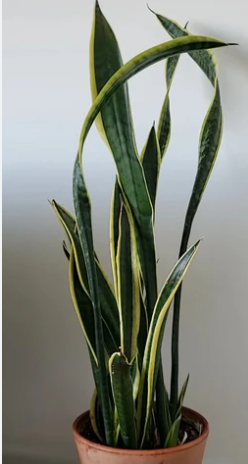
Once you've identified the cause, you can take targeted action:
Immediate Actions
- Reposition for better light: Move your Snake Plant to a spot with bright, filtered light—such as near an east or west-facing window.
- Adjust watering schedule: Let the top inch of soil dry out completely before watering again. Ensure your pot drains well to prevent waterlogging.
Long-term Care
- Use grow lights: During darker months or if natural light is limited, supplement with LED grow lights to promote compact, dense growth.
- Improve soil drainage: Use well-draining cactus or succulent soil mix. Consider repotting if the current soil retains too much moisture.
- Fertilize appropriately: Apply a balanced houseplant fertilizer monthly during the growing season, following package instructions.
Monitoring Recovery
- Signs of improvement: New leaves should sprout closer to the base, stems become shorter and sturdier, and overall plant appearance becomes denser.
- When to prune: Remove or trim down excessively leggy stems at the base, encouraging the plant to direct energy into new, healthy growth.
Section 4: Prevention Tips
Consistent, mindful care is key to maintaining a healthy, lush Snake Plant. Here are some easy tips:
Ensure Adequate Bright Indirect Light
- Place your Snake Plant near a window with filtered sunlight.
- Rotate the plant regularly for even light exposure.
Water Only When Topsoil Is Dry
- Use your finger or a moisture meter to check soil moisture.
- Avoid watering on a set schedule—go by the plant’s needs.
Use Well-Draining Soil and Pots
- Choose pots with drainage holes.
- Mix soil with sand or perlite for better drainage.
Regular Fertilization
- Provide balanced nutrients during the active growing season.
- Reduce or stop fertilizing in winter when growth slows.
Conclusion
By diagnosing the root causes—primarily insufficient light and watering issues—you can correct leggy growth and encourage your Snake Plant to become lush and full again. Remember, small adjustments in placement, watering habits, and fertilization can lead to significant improvements. Don’t worry—restoring your Snake Plant’s health is a rewarding process. Implement the care tips detailed here, keep an eye on its response, and enjoy watching your plant regain its beautiful, bushy form!
FAQ
Q: How long until I see improvement after changing care routines?
A: Typically, you can expect to see signs of new, healthier growth within 4 to 6 weeks after making adjustments. Patience is key, as healthy growth takes time.
Q: Can I prune leggy stems, and how should I do it?
A: Yes, pruning is beneficial. Use clean, sharp scissors or pruning shears to cut leggy stems at the base. This encourages the plant to branch out and develop fuller growth.
Q: What if my Snake Plant continues to grow leggy despite adjustments?
A: If issues persist, double-check your care practices, especially lighting and watering. Sometimes, environmental factors like low light can be unavoidable indoors. In stubborn cases, consider propagating healthy offsets or consult a local plant expert for personalized advice.
Your Snake Plant can bloom into a lush, beautiful focal point once you give it the proper environment and care. Happy gardening!