Struggling with leaf drop on your Anthurium? You're not alone—many indoor plant enthusiasts face this common concern. When your beloved plant starts shedding leaves unexpectedly, it can be worrying and even heartbreaking. But don't worry! Understanding the causes behind leaf drop and knowing how to diagnose and fix the problem can help your Anthurium recover and thrive again. This guide will walk you through the main reasons your Anthurium might be losing leaves, how to identify the specific issue, and practical steps to bring your plant back to health. With a little patience and care adjustments, your Anthurium can bounce back and continue brightening your indoor space.
Section 1: Understanding the Problem
Visual Identification of Leaf Drop and Related Symptoms
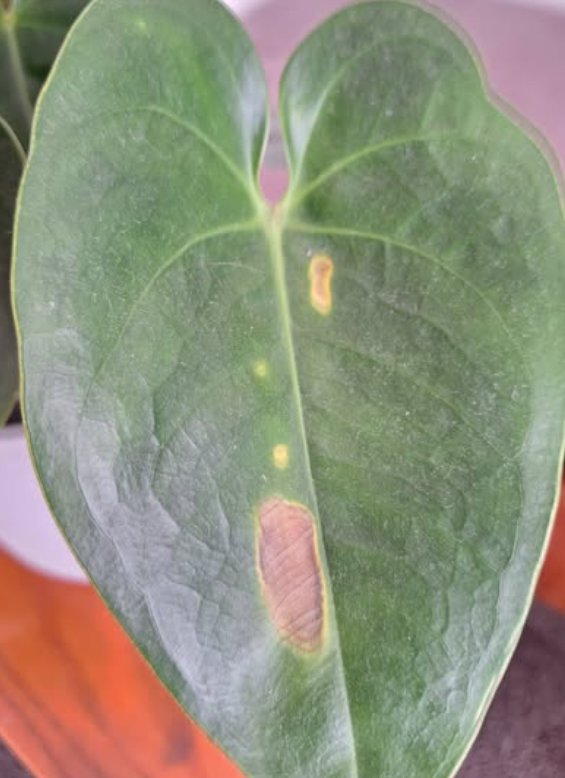
First, observe your Anthurium carefully. Leaf drop typically presents as older, yellowing leaves falling off the plant. Sometimes, leaves may turn brown at the tips or edges before shedding. You might also notice:
- Sparse foliage or a thinning plant
- Stunted new growth
- Wilting or drooping leaves
- Spots, mold, or pests on the remaining leaves Recognizing these signs helps you determine whether your plant is simply shedding old leaves or experiencing a more serious problem.
Common Causes Overview: Stress, Watering Issues, Environmental Factors, Pests, and Diseases
The main reasons for leaf drop in Anthuriums generally include:
- Stress from improper watering (overwatering or underwatering)
- Environmental stress such as sudden temperature changes or low humidity
- Pest infestations like spider mites or mealybugs
- Fungal or bacterial diseases
- Nutritional deficiencies or improper fertilization Understanding these common causes equips you with a starting point for diagnosis.
Section 2: Diagnosing the Exact Cause
Follow a Step-by-Step Process to Pinpoint the Reason
To effectively treat your Anthurium, identifying the root cause of leaf drop is essential. Here's how to do it:
Cause 1: Improper Watering (Overwatering or Underwatering)
- Signs of overwatering include soggy soil, a foul smell, and leaves turning yellow and falling prematurely.
- Signs of underwatering are dry, crispy leaves, and soil pulling away from the pot edges.
Cause 2: Environmental Stress (Temperature Fluctuations, Low Humidity)
- Anthuriums prefer warm temperatures (65-80°F) and high humidity (60-80%).
- Sudden drafts, cold windows, or dry indoor air can cause leaf drop.
Cause 3: Pests or Diseases (Fungal Infections, Pests like Spider Mites)
- Check the undersides of leaves for tiny pests, webbing, or sticky residue.
- Fungal spots or mold growth indicate infections.
How to Tell Which Cause Applies to Your Plant
- Inspect the roots and soil: soggy, foul-smelling soil suggests overwatering.
- Examine the environment: if your home is dry or drafty, environmental stress is likely.
- Look for pests: tiny moving dots or webbing signal pest presence.
- Assess leaf symptoms: crisp, brown edges point to low humidity or underwatering; yellowing indicates overwatering.
Section 3: Treatment Solutions
Implement Targeted Fixes Based on the Diagnosed Cause
Once you've identified the cause, take these practical steps:
Immediate Actions
- Adjust watering: let the soil dry out slightly if overwatered; water thoroughly but infrequently.
- Improve humidity: place a humidifier nearby, or set your pot on a tray with pebbles and water.
- Inspect for pests: remove visible pests with a soft cloth or insecticidal soap.
- Remove affected leaves: prune damaged or yellowing leaves with clean scissors to prevent disease spread.
Long-term Care Plan
- Establish a proper watering schedule: typically once a week, allowing the top inch of soil to dry out.
- Ensure adequate light: bright, indirect sunlight is ideal.
- Maintain optimal temperature and humidity: keep your Anthurium in a warm, humid environment.
- Fertilize appropriately: use a balanced, water-
soluble fertilizer every 6-8 weeks during the growing season.
Monitoring Recovery
- Watch for new leaf growth and overall vigor.
- If leaf drop continues despite care, reassess environmental factors or consider repotting if roots are rotted or constricted.
- Seek professional advice if symptoms worsen or persist.
Section 4: Prevention Tips
Learn how to care proactively to prevent future leaf drop issues
Prevention is key to keeping your Anthurium healthy and vibrant. Consider these routine care practices:
Regular Watering and Humidity Management
- Use a moisture meter or finger test to check soil moisture.
- Increase humidity with misting, humidifiers, or pebble trays.
Optimal Light and Temperature Conditions
- Place your Anthurium in bright, indirect light.
- Keep temperatures steady within 65-80°F, avoiding drafts and cold spots.
Routine Pests and Disease Checks
- Regularly inspect leaves and stems for pests or fungal signs.
- Clean leaves gently with a damp cloth to remove dust and pests.
Proper Repotting and Fertilization Practices
- Repot every 2-3 years into well-draining soil.
- Use appropriate fertilizer during the active growing season, reducing feeding in winter.
Conclusion
Recap of the Key Causes and Solutions for Leaf Drop in Anthuriums
In summary, why is my Anthurium having leaf drop? The main causes include watering errors, environmental stress, pests, and diseases. By carefully diagnosing your plant's specific situation, you can implement targeted solutions such as adjusting watering habits, improving humidity, controlling pests, and providing optimal light and temperature.
Encouragement
Remember, every plant problem has a solution! With attentive care and patience, your Anthurium can recover from leaf drop and continue to flourish, adding beauty and vitality to your indoor space.
Next Steps
Start by observing your plant closely, identify the likely cause, and follow the recommended remedies. Soon, you'll see new, healthy leaves emerging and your Anthurium returning to its vibrant self.
FAQ
Q: How long until I see improvement after treatment?
A: Typically, you can expect to see signs of recovery within 2 to 4 weeks. New leaf growth and overall plant vigor will gradually return if the care adjustments are consistent.
Q: Will my Anthurium fully recover from leaf drop?
A: Yes, with proper care, most Anthuriums can recover completely. However, some older leaves may not regrow, but new growth should replace them over time.
Q: Should I prune the fallen leaves or damaged parts?
A: Absolutely. Removing dead or damaged leaves with clean, sharp scissors helps prevent disease spread and encourages healthy new growth.
Taking care of your Anthurium can be a rewarding experience. By understanding the causes of leaf drop and applying the right solutions, you'll help your plant regain its health and continue to brighten your home for years to come. Happy gardening!