Discover why your Spider Plant develops black spots and learn effective solutions and prevention tips to keep your plant healthy and vibrant.
Noticing black spots on your Spider Plant can be worrying, but you're not alone—these issues are common and fixable.
This guide will help you identify the causes of black spots, diagnose the problem accurately, and apply effective treatments and prevention measures.
With proper care and attention, your Spider Plant can recover and thrive again.
Section 1: Understanding the Problem
Black spots on your Spider Plant might seem alarming at first, but understanding what they indicate is the first step toward healing your plant.
Visual identification
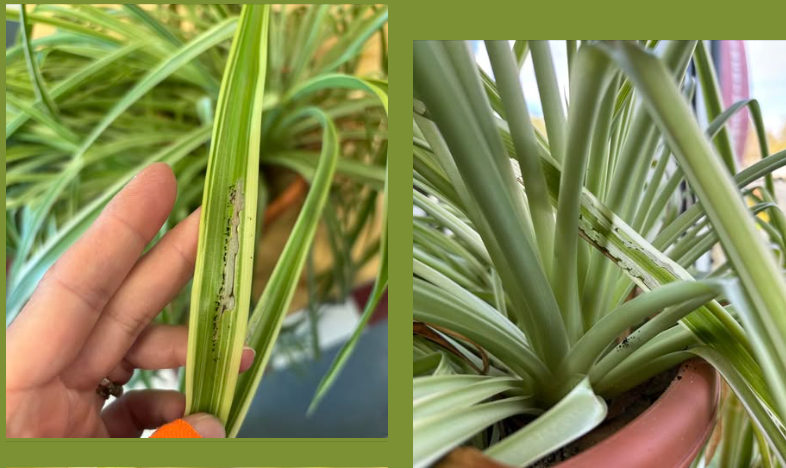
Black spots typically appear as small, dark patches on the leaves—sometimes they are irregular in shape, ranging from tiny specks to larger, more noticeable patches. These spots often start small but can spread if left untreated.
- Color and texture: Usually black or dark brown, sometimes with a slightly sunken or greasy appearance.
- Location: They often appear along leaf edges, tips, or in the middle of the leaf, and may be concentrated on lower or older leaves.
Common causes overview
Black spots can originate from several issues, often interconnected:
- Fungal infections: Such as leaf spot diseases, caused by species like Colletotrichum or Alternaria.
- Overwatering: Leading to root rot, which can manifest as black spots on leaves due to systemic stress.
- Poor air circulation: Facilitates fungal growth and disease spread.
- Low light or environmental stress: Weakens the plant's immunity, making it more susceptible to infections. Understanding these causes sets the stage for precise diagnosis and effective treatment.
Section 2: Diagnosing the Exact Cause
Pinpointing whether black spots are caused by fungal infections, overwatering, or environmental stress is crucial for targeted action.
Cause 1: Fungal infections (e.g., leaf spot disease)
Symptoms: Black or dark brown spots with fuzzy borders; spots may enlarge and coalesce over time. Leaves may also yellow and drop prematurely.
Cause 2: Overwatering leading to root rot and foliar problems
Symptoms: Soft, yellowing leaves initially, followed by black patches on the leaf surface. The plant may feel mushy or limp, and the soil may have a foul odor.
Cause 3: Environmental stress—low light or poor airflow
Symptoms: Black spots may appear as a reaction to environmental damage rather than infection. Leaves may develop black edges or spots after exposure to drafts, cold temperatures, or inadequate light.
How to tell which one it is: Checklist
- Check the spots: Are they fuzzy, sunken, or irregular? If yes, likely fungal.
- Inspect the roots: If soil is overly moist, roots may be rotting—evidence of overwatering.
- Evaluate the environment: Is the plant in a low-light spot or stagnant air? Adjust accordingly.
- Look for additional signs: Yellowing, wilting, or foul smell indicate root problems; healthy leaves with spots point toward fungi. Performing this diagnostic assessment helps determine the best course of action.
Section 3: Treatment Solutions
Once you've identified the cause, implement appropriate solutions.
Immediate actions to take
- Remove affected leaves: Use clean scissors or pruning shears to cut away blackened or severely affected foliage, minimizing disease spread.
- Improve airflow: Space out your plant from others, avoid placing it in stagnant air zones.
- Adjust watering habits: Let the soil dry out between waterings; ensure the pot has drainage holes to prevent waterlogging.
Natural remedies
- Neem oil: A natural antifungal that can be sprayed on affected leaves to inhibit fungal growth.
- Fungicidal sprays: Products containing copper or sulfur are effective in controlling leaf spot diseases—follow label instructions carefully.
Chemical options
- Appropriate fungicides: If fungal infections persist, consider using a broad-spectrum fungicide recommended for houseplants, applying as directed.
Long-term treatment plan
- Maintain consistent watering discipline—avoid overwatering.
- Ensure your Spider Plant gets bright, indirect light.
- Regularly inspect the plant for early signs of trouble.
- Use well-draining soil and select appropriately sized pots.
What to expect during recovery
- Timeline: Initial improvements often appear within a few weeks after treatment.
- Signs of recovery: New healthy growth, disappearance of black spots, and overall plant vigor returning. Patience and diligent care are key to helping your plant bounce back.
Section 4: Prevention Tips
Preventing black spots is easier than curing once they set in. Implement these good practices:
Care routine adjustments
- Water properly: Water only when the top inch of soil feels dry. Use room temperature water.
- Regular inspections: Check leaves for early signs of spots or disease weekly.
- Maintain cleanliness: Remove fallen or dead leaves promptly.
Environmental factors to monitor
- Improve air circulation: Use a small fan or place the plant where air flows freely.
- Ensure adequate lighting: Bright, indirect sunlight boosts plant immunity.
- Avoid overwatering: Use pots with drainage holes and empty excess water from saucers. By maintaining a healthy environment, you reduce the chances of fungal infections and environmental stress, keeping your Spider Plant happy and vibrant.
Conclusion
Black spots on your Spider Plant are manageable with proper diagnosis and care.
Early identification of the cause—whether fungal infection, overwatering, or environmental stress—is essential for effective treatment.
With patience, consistent maintenance, and preventive measures, your plant can recover and flourish again.
Next steps:
- Start by inspecting your plant thoroughly.
- Adjust your watering habits.
- Remove affected foliage.
- Treat fungal issues promptly.
- Monitor environmental conditions to prevent future problems. Your Spider Plant’s health depends on your attentive care, and with these tips, you'll be well on your way to a thriving, beautiful indoor garden!
FAQ
Q: How long until I see improvement after treatment?
A: Typically, you can expect to notice signs of recovery within 2 to 4 weeks. New healthy leaves emerging and the black spots fading are good indicators. Consistent care during this period is essential.
Q: Can my Spider Plant fully recover from black spots?
A: Yes, with timely treatment and proper care, most Spider Plants can recover completely. Prevention and early intervention are key to avoiding permanent damage.
Q: Should I prune all affected leaves immediately?
A: It's advisable to prune severely affected leaves to prevent further spread of fungi or disease. Use sterilized tools, and avoid removing healthy foliage to preserve plant vitality.
By following these guidelines, you'll help your Spider Plant regain its health and continue to bring joy to your indoor space. Happy gardening!