Quick Summary: White fuzz on your Snake Plant (Sansevieria) can be concerning, but most often it’s caused by pests, fungal issues, or environmental conditions. With proper diagnosis and care, you can eliminate the fuzz and restore your plant’s health. Keep reading—we’ll walk through how to identify, treat, and prevent this common issue.
Introduction
Having a beautiful Snake Plant is such a joy—it’s a hardy, stylish, and low-maintenance indoor plant beloved by many plant enthusiasts. But when you notice a fuzzy, white coating creeping over its leaves or soil, it can be alarming, especially if you’ve just started noticing it. You might worry about pests damaging your plant, fungal infections, or environmental mishaps. Rest assured, this problem is usually manageable. White fuzz is a common issue that can often be fixed with a little detective work and care. In this article, we’ll explore what causes this fuzzy appearance, how to diagnose the root problem accurately, and the best steps to treat and prevent it. Whether it’s a pest invasion, a fungal infection, or environmental factors, you’ll learn practical solutions to bring your Snake Plant back to vibrant health. Remember, with patience and a gentle approach, your plant can recover and thrive once again!
Section 1: Understanding the Problem
Visual identification
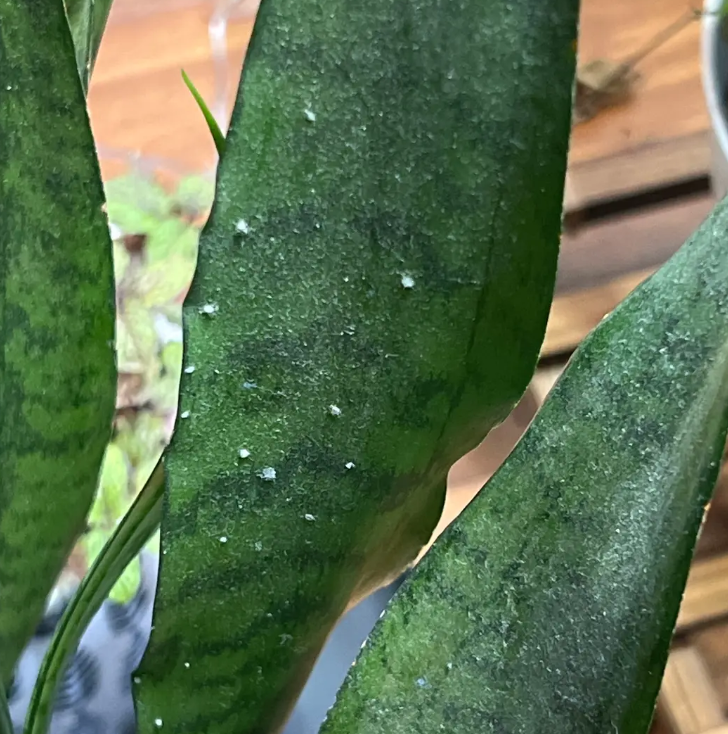
The first step is recognizing what this white fuzz actually is. Usually, it appears as a soft, powdery, or cotton-like coating on the leaves, stems, or even the soil surface of your Snake Plant. Sometimes, it looks like tiny cotton balls or fuzzy specks that seem to be growing overnight.
Common causes overview
This fuzzy growth isn’t just an aesthetic issue—it can signal underlying problems. The common causes include:
- Fungal infections such as powdery mildew or mold, often triggered by excess humidity or poor air circulation.
- Pest infestations, especially mealybugs or scale insects, which produce white, waxy, cottony coverings as part of their protective structure.
- Environmental factors, like overwatering, stagnant air, or high humidity, which foster mold, mildew, or fungal growth. Understanding these basics helps you decide whether you need pest control, fungal treatment, or adjustments in your care routine.
Section 2: Diagnosing the Exact Cause
Getting to the root of the white fuzz involves careful inspection. Here’s a step-by-step process to pinpoint what's causing it:
Cause 1: Fungal infections (powdery mildew or mold)
- Symptoms: Fuzzy, white, or grayish powdery coating on the surface of leaves and stems, often developing in humid conditions.
- How to confirm: Gently brush the fuzz with your finger; if it wipes away easily and feels powdery, it’s likely a fungal issue.
- Why it happens: Poor airflow, overwatering, or high humidity create the perfect environment for fungal spores to settle and grow.
Cause 2: Pest infestation (mealybugs or scale insects)
- Symptoms: White, cotton-like patches especially around leaf joints, along stems, or on the soil surface.
- How to confirm: Use a magnifying glass—pests might be moving or you’ll see tiny insects hiding under the fluff. They often leave sticky residue called honeydew.
- Why it happens: Pests are attracted to indoor plants for shelter and food and can thrive if environmental conditions are favorable.
Cause 3: Environmental conditions (excess moisture, poor ventilation)
- Symptoms: Persistent fuzzy growth despite cleaning, sometimes with a musty smell or signs of mold.
- How to confirm: Check the soil moisture level—overwatering and poor drainage lead to stagnant water that encourages mold.
- Why it happens: Stagnant, moist air around your plant forms a breeding ground for mold and fungal growth.
Quick Decision Checklist:
- Inspect closely for pests: Moving, sticky residue, or bugs under the fuzz? → Likely pests.
- Assess fungal growth: Powdery, dusty coating that wipes away? → Likely fungal.
- Check environmental factors: Persistent fuzz despite cleaning, high humidity, or overwatering? → Root cause is environmental.
Section 3: Treatment Solutions
Once you’ve identified the cause, here’s how to eliminate the white fuzz and restore your Snake Plant’s health.
Immediate Actions (First 24-48 Hours)
-
Gently remove the fuzz:
-
Use a soft cloth or a gentle brush to wipe away the fuzzy growth.
- For soil surface fungi or mold, carefully scrape off the top layer.
-
Isolate your plant:
-
Keep it away from other houseplants to prevent spread.
-
Improve airflow:
-
Move your plant to a well-ventilated area.
- Use a fan to increase circulation if needed.
Natural remedies
- For pest infestations:
- Mix neem oil or insecticidal soap according to package directions.
- Spray on all affected areas, avoiding the roots to prevent over-saturating.
- Repeat every 7-10 days until pests are gone.
- For fungal/mold issues:
- Prepare a diluted hydrogen peroxide solution (1 part peroxide to 3 parts water).
- Use a spray bottle to lightly mist the affected leaves.
- Alternatively, a baking soda spray (1 teaspoon baking soda in a quart of water) can help prevent recurrence.
Chemical options (if natural methods are ineffective)
- Use fungicides labeled for indoor plants if fungal growth persists.
- Apply pesticides approved for houseplants if pests are stubborn, following all safety instructions.
Long-term treatment plan
- Adjust watering routines:
- Water only when the top inch of soil feels dry.
- Ensure your pot has drainage holes to prevent water pooling.
- Optimize environment:
- Keep humidity moderate—use a dehumidifier or air purifier if necessary.
- Ensure good air circulation, especially in enclosed spaces.
- Monitor regularly: Inspect your plant weekly for signs of return.
Expected recovery timeline
With proper treatment, you should start seeing the fuzz diminish within 1-2 weeks. Healthy new growth indicates your Snake Plant is bouncing back. Persistent issues may take up to a month to fully resolve, so patience is key.
Section 4: Prevention Tips
Prevention is usually easier than cure. Here’s how to keep your Snake Plant free of white fuzz in the future:
- Water carefully: Water only when the soil is dry; overwatering encourages mold and pests.
- Ensure proper drainage: Use well-draining soil and pots with drainage holes.
- Improve airflow: Place plants in well-ventilated areas; use fans if needed.
- Maintain moderate humidity: Use a dehumidifier or air conditioner to keep humidity levels around 40-50%.
- Regular inspection: Check leaves and soil weekly for early signs of pests or fungal growth.
- Clean leaves periodically: Wipe down your plant with a damp cloth to remove dust and prevent fungal spores from settling. Implementing these habits will dramatically reduce the chances of recurring white fuzz and keep your Snake Plant looking healthy and vibrant.
Frequently Asked Questions
Q: How long until I see improvement after treatment?
A: Typically, you’ll notice fuzz reducing within 1-2 weeks after treatment. Healthy new growth may take longer, around 3-4 weeks, depending on the severity.
Q: Will my Snake Plant fully recover from white fuzz?
A: Yes! Most plants recover completely when the cause is correctly identified and addressed. Continuing good care ensures full recovery.
Q: Should I prune or remove heavily affected leaves?
A: If leaves are severely damaged or infected, pruning can help prevent the spread of pests or fungi. Use clean, sharp scissors or pruning shears, and dispose of the affected material safely.
Conclusion
Key Takeaways:
- White fuzz on your Snake Plant is often caused by pests, fungal infections, or environmental factors.
- Proper diagnosis is essential—inspect closely for pests or mold and evaluate your plant’s environment.
- Use targeted natural or chemical treatments, paired with improved care routines, to eliminate the problem.
- Prevent future issues by adjusting watering, maintaining airflow, and inspecting regularly. Remember, don’t get discouraged—most issues are manageable. With attentive care and patience, your Snake Plant can bounce back, growing healthy, beautiful leaves once again. Start by examining your plant today and take the first step toward a fuzz-free, flourishing plant!