Struggling with yellow leaves on your Rubber Plant? Discover diagnostic steps and practical solutions to revive your plant and prevent future issues.
Introduction
Seeing yellow leaves on your Rubber Plant can be worrying, especially if you've just started caring for this beloved indoor shrub. Fortunately, yellowing foliage is a common issue faced by many plant parents and usually signals that something needs adjusting—not a sign that your plant is beyond saving. With a little attention and understanding, you can identify the root cause, take effective steps to treat it, and nurture your Rubber Plant back to health. In this guide, we'll walk through how to recognize causes of yellow leaves, diagnose the specific problem your plant might be facing, and implement targeted solutions to keep your Rubber Plant vibrant and thriving. Rest assured, most issues causing yellowing leaves are fixable with proper care and thoughtful adjustments.
Section 1: Understanding the Problem
Visual identification of yellowing leaves
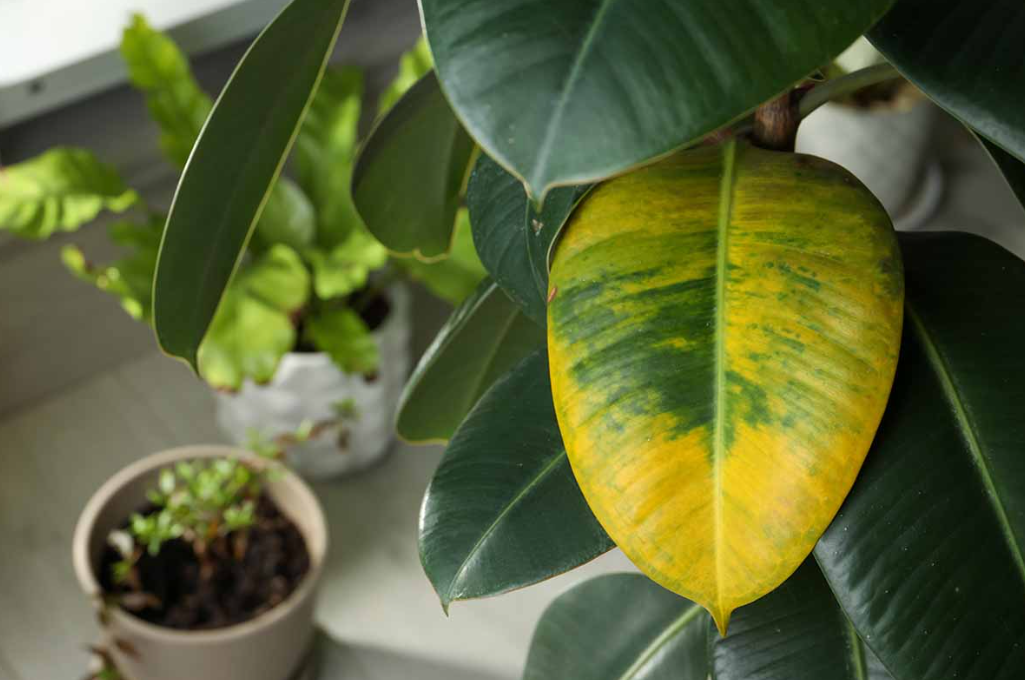
The first step is recognizing what yellow leaves look like. Typically, healthy Rubber Plant leaves are deep green with a glossy finish. When leaves start to turn yellow, you'll notice:
- Color Change: The leaf tissue turns yellow, often starting from the edges or the tips.
- Deterioration: Yellow leaves may become translucent or develop spots, and sometimes, they wilt or drop prematurely.
- Location: Yellowing can appear on older leaves near the bottom of the plant or spread across new growth.
Common causes overview
Yellow leaves in Rubber Plants usually arise due to a few key reasons:
- Watering issues: Overwatering leading to root rot, or underwatering causing dehydration.
- Lighting problems: Insufficient light causing poor photosynthesis, or too much direct sunlight leading to leaf scorch.
- Nutrient deficiencies: Lack of vital nutrients like nitrogen, magnesium, or iron.
- Other factors: drafty locations, low humidity, or pests. Understanding these common causes lays the foundation for accurate diagnosis and effective remedies.
Section 2: Diagnosing the Exact Cause
Getting to the root of the yellow leaves involves observing your plant closely and asking some key questions.
Cause 1: Overwatering or poor drainage
How to spot it:
- Roots may be soggy, discolored, or foul-smelling.
- The soil feels constantly wet or soggy.
- Yellowing is widespread, often starting from lower leaves.
Cause 2: Insufficient light
How to tell:
- Leaves may yellow and fall off if the plant isn't getting enough light.
- The plant appears leggy or stretched out.
- Pale green or yellowish foliage indicates low photosynthesis.
Cause 3: Nutrient deficiencies or imbalanced fertilization
Indicators:
- Uniform yellowing across multiple leaves.
- Lack of new, healthy growth.
- Deficiency signs like chlorosis (yellowing between leaf veins) especially in iron or magnesium.
How to tell which cause fits your plant’s condition
To identify the exact issue, consider these steps:
- Check soil moisture: If it's wet and your plant has yellow leaves, overwatering is likely.
- Assess lighting: If your Rubber Plant is in a dim corner, insufficient light might be the culprit.
- Inspect the leaves: Look for general yellowing vs. localized or vein-only chlorosis to narrow down deficiency types.
- Review fertilization history: If you haven't fertilized in a while or used improper fertilizer, deficiencies may develop.
Section 3: Treatment Solutions
Once you've diagnosed the cause, targeted action can help your Rubber Plant recover.
Immediate actions
- Adjust watering: Let the top inch of soil dry out before watering again. If overwatered, consider repotting into well-draining soil with drainage holes.
- Improve drainage: Add perlite or sand to soil; elevate the pot to prevent water pooling.
- Reposition for proper light: Move the plant to a bright, indirect light spot away from harsh direct sunlight that could scorch leaves.
Long-term care
- Fertilization: Use a balanced, water-soluble houseplant fertilizer during the growing season (spring and summer). Follow the label instructions for dilution and frequency.
- Pruning: Remove yellow or damaged leaves to prevent disease spread and encourage healthy new growth.
- Consistent watering schedule: Establish a routine that matches your indoor humidity and temperature conditions.
Monitoring recovery
- Keep an eye on new leaf growth—vigorous, healthy leaves indicate proper care.
- Watch for signs of pests or disease, which can cause further yellowing.
- Adjust care as needed, and be patient; recovery can take several weeks.
Section 4: Prevention Tips
Avoid future yellowing issues by establishing good care habits:
Care routine adjustments
- Regular watering: Check soil moisture regularly and water only when the topsoil is dry.
- Fertilize appropriately: Feed your Rubber Plant every 4-6 weeks during active growth months.
- Pruning: Remove dead or yellowing leaves promptly to maintain overall plant health.
Environmental factors to monitor
- Light levels: Place your Rubber Plant near bright, indirect sunlight for optimal growth.
- Humidity: Rubber Plants appreciate higher humidity—consider misting leaves or using a humidifier.
- Drainage: Ensure pots have drainage holes and avoid waterlogged soil.
Conclusion
Addressing yellow leaves in your Rubber Plant involves understanding the underlying causes, diagnosing accurately, and applying the right care strategies. With patience and attentive care, most issues causing yellowing leaves are easily resolvable, and your Rubber Plant can bounce back beautifully. Start by adjusting watering habits, ensuring proper lighting, and providing balanced fertilization. Remember, steady observation and gentle care are key to keeping your indoor garden healthy and vibrant. Your Rubber Plant's vibrant green leaves await—take action today to restore its health and enjoy lush, flourishing foliage!
FAQ
Q: How long until I see my Rubber Plant recover after treatment?
A: Recovery time varies depending on the severity of the problem, but typically, you can expect to see new healthy growth within 2 to 4 weeks after correcting watering, light, or nutrient issues. Consistent proper care will promote faster recovery.
Q: Can yellow leaves turn green again?
A: In some cases, yellowing leaves may regain their green coloration if caught early and the underlying issue is corrected. However, older leaves that have turned yellow often won't turn green again and should be pruned to encourage new growth.
Q: Should I prune all the yellow leaves immediately?
A: It’s best to prune only the yellow or damaged leaves, using clean shears to prevent disease. Removing them helps the plant focus energy on healthy growth and improves its overall appearance.
Maintaining a healthy Rubber Plant is mostly about attentive care and prompt action. By following these tips, you'll nurture a thriving, beautiful indoor plant that brightens your space for years to come!