Struggling with white fuzz on your spider plant? Discover diagnosis tips, effective fixes, and prevention strategies to restore your plant's health with confidence.
Introduction
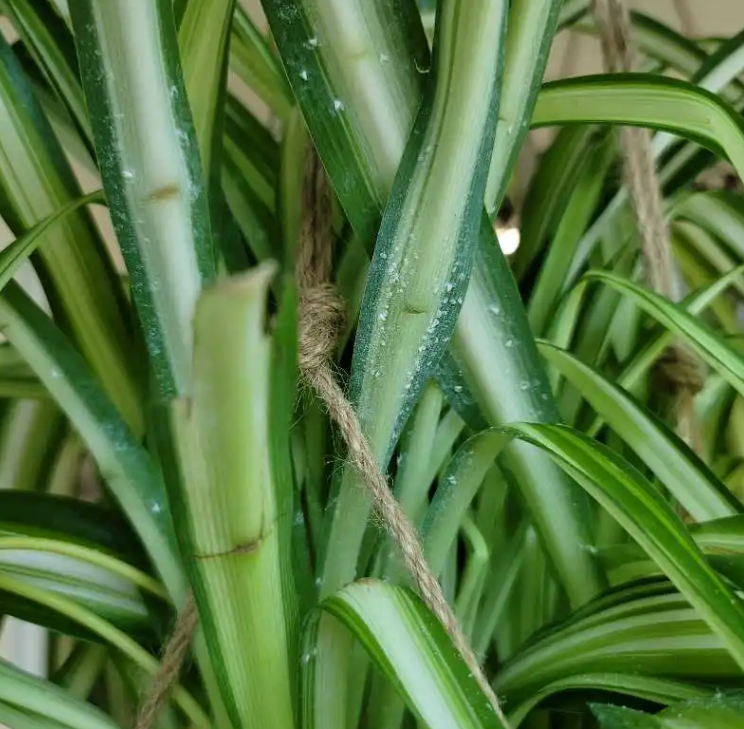
Noticing white fuzzy patches on your beloved spider plant? Don't worry—you're not alone! Many indoor plant enthusiasts encounter this perplexing issue at some point. White fuzz can be alarming, but with a clear understanding of its causes and effective solutions, you can help your spider plant bounce back healthier than ever. This article will guide you step-by-step through identifying what this white fuzz is, diagnosing its root cause, applying the right treatments, and preventing future occurrences. With a little care and attention, your spider plant can recover and continue to enhance your indoor space.
Section 1: Understanding the Problem
Visual Identification of White Fuzz and Where It Appears
White fuzz on a spider plant generally appears as a powdery or web-like substance on the leaves, stems, or roots. It can look like cottony patches, powdery coating, or fine webbing. Carefully inspect your plant:
- On the leaves: White powdery spots or a dusty coating.
- On the stems: Webbing or fuzzy growths.
- At the base or soil surface: White film or mold-like growths.
Overview of Typical Causes, Including Pests, Fungal Infections, and Environmental Factors
Several factors can cause this white fuzz:
- Pests, especially spider mites, produce webbing and tiny specks that resemble fuzz.
- Fungal infections, like powdery mildew, create a white, powdery coating.
- Environmental factors, such as dust accumulation or dry air, can also give a fuzzy or powdery appearance on leaves over time. Understanding these options helps narrow down the cause and choose the most effective treatment.
Section 2: Diagnosing the Exact Cause
Step-by-Step Process to Determine the Underlying Reason
Accurate diagnosis is key to fixing the white fuzz effectively. Follow these steps:
Cause 1: Spider Mites — Tiny Pests Causing Webbing and Fuzz
- Use a magnifying glass to look for tiny red, brown, or yellow specks.
- Check the undersides of leaves for fine webbing, which is a hallmark of spider mites.
- Look for stippled or discolored leaves, often indicating pest feeding.
Cause 2: Fungal Infections — Powdery or Mold-like Growths
- Feel the white coating. Is it powdery and soft, or moldy and damp?
- Observe for patches that easily rub off or become dusty when touched.
- Typical fungal infections like powdery mildew prefer high humidity and poor air circulation.
Cause 3: Other Factors Like Dust Accumulation or Dryness
- Gently wipe a leaf with a damp cloth. If dust or powder comes off, it’s likely just environmental dust.
- Check humidity levels. Very dry air can sometimes cause a fuzzy appearance, especially in heated indoor environments.
How to Tell Which Cause Applies to Your Plant
- If webbing and tiny pests are visible, pests are the culprit.
- Powdery or moldy patches indicate fungal issues.
- Dusty leaves or very dry conditions suggest environmental factors. Identifying the cause will help you choose the most appropriate treatment.
Section 3: Treatment Solutions
Apply Targeted Methods to Eliminate the Cause and Promote Healing
Immediate Actions: Physically Removing the Fuzz, Isolating the Plant
- Remove any visible webbing or fuzzy patches with a soft brush or cloth.
- Isolate the affected plant from others to prevent spreading pests or fungi.
- Wash the leaves gently with lukewarm water or a damp cloth to remove dust and loose pests.
Natural Remedies: Insecticidal Soap and Neem Oil for Pests
- Use insecticidal soap or neem oil sprays, following instructions on the label.
- Spray liberally on all surfaces, especially the undersides of leaves.
- Repeat every 7-10 days until pests are eradicated.
Chemical Options: Fungicides if Fungal Issues Are Present
- Apply a suitable fungicide for powdery mildew, ensuring proper coverage.
- Follow the manufacturer’s guidelines for safe and effective use.
- Maintain good air circulation and avoid overhead watering to prevent fungal growth.
Long-Term Care: Proper Watering, Humidity Control, and Regular Inspection
- Water your spider plant only when the top inch of soil feels dry.
- Increase humidity with a humidifier or pebble trays if the environment is too dry.
- Regularly inspect your plant’s leaves and stems for early signs of pests or fungi.
Expected Recovery Timeline and Signs of Improvement
- Pests typically diminish within 1-2 weeks of treatment.
- Fungal patches usually fade after 2-3 weeks with consistent fungicide application.
- Healthy new growth indicates recovery, while persistent fuzz may require additional treatment.
Section 4: Prevention Tips
Keep Your Spider Plant Healthy and Fuzz-Free with These Practices
Maintain Optimal Humidity and Airflow
- Aim for 40-60% humidity—use a humidifier if needed.
- Ensure good air circulation by placing your plant in a well-ventilated area.
Regularly Inspect and Clean Your Plant
- Check leaves weekly for early signs of pests or fungal issues.
- Gently wipe leaves with a damp cloth to prevent dust buildup.
Use Pest-Repellent or Preventive Treatments Proactively
- Apply neem oil or insecticidal soap monthly as a preventative measure.
- Quarantine new plants before introducing them to your collection.
Avoid Overwatering and Keep Leaves Dry
- Overwatering encourages fungal growth; water only when necessary.
- Keep foliage dry during watering to prevent fungal spores from settling.
Conclusion
Recap of Diagnosis, Treatment Options, and Prevention Strategies
To fix spider plant white fuzz, start by carefully identifying whether pests, fungi, or environmental factors are causing the issue. Use appropriate methods such as washing leaves, applying natural or chemical treatments, and improving indoor conditions.
Remember, with attentive care, your plant can recover from white fuzz issues and thrive once again.**
Next Steps
- Begin with accurate diagnosis.
- Choose targeted remedies based on the cause.
- Implement preventive measures to keep your spider plant healthy long-term. Your green thumb and prompt action can turn things around for your beloved plant!
FAQ
Q: How long until I see improvement after treatment?
A: Typically, you will notice signs of recovery within 1-3 weeks. Pests like spider mites reduce significantly within two weeks after treatment, while fungal issues often clear up after a similar period if treatments are consistent. Look for new healthy growth as a positive sign.
Q: Can white fuzz be caused by pests or fungal infections?
A: Yes, white fuzz can result from tiny pests such as spider mites or fungal infections like powdery mildew. It’s important to correctly diagnose the cause to apply the most effective treatment.
Q: Should I prune or remove severely affected leaves?
A: Absolutely. Severely infested or moldy leaves should be pruned and disposed of properly to prevent spread. Use clean tools and disinfect them after pruning. This helps your plant recover more quickly and prevents further issues.
With patience and consistent care, your spider plant can return to its lush, vibrant self. Happy gardening!