Learn practical steps to diagnose and fix leaf drop in your Philodendron. Reclaim healthy growth with our friendly, expert guidance.
Introduction
Noticing your Philodendron’s leaves falling off can be stressful—it’s easy to worry about your beloved plant’s health. But don’t fret! Leaf drop is a common issue among indoor plant enthusiasts, and often, it’s fixable with some simple adjustments. Whether your plant is shedding leaves unexpectedly or showing signs of distress, understanding the causes and knowing how to address them can make all the difference. This guide will walk you through understanding why Philodendron leaves drop, how to diagnose the specific cause, and easy, effective solutions to help your plant bounce back and thrive. With a bit of patience and care, your green friend will be vibrant and full of life again!
Section 1: Understanding Why Philodendron Leaves Drop
Visual Identification of Leaf Drop
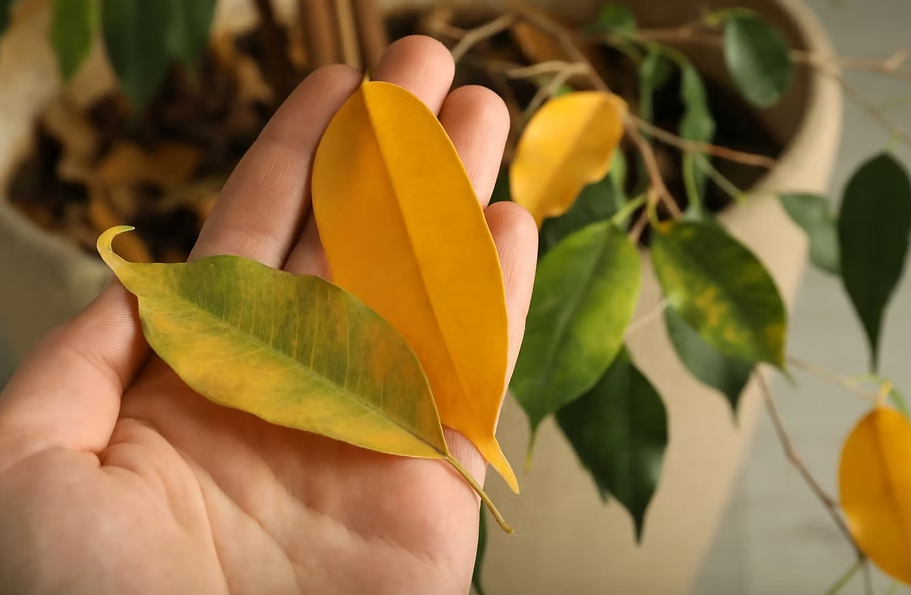
Before jumping into solutions, it’s important to recognize what leaf drop looks like. Natural shedding happens as part of a plant's growth cycle—older leaves may turn yellow and fall off gradually, which is perfectly normal. However, sudden or excessive leaf drop, especially of healthy-looking leaves, can signal underlying problems. Signs of problematic leaf drop include:
- Rapid or sudden loss of several healthy leaves
- Yellowing or browning leaves before they drop
- Leaves falling even when the plant appears otherwise healthy
Common Causes Overview
Several factors can trigger leaf drop in Philodendrons. The most common include:
- Overwatering or poor drainage: Excess water can lead to root rot, causing leaves to yellow and fall.
- Underwatering or dry environment: Lack of water or low humidity leads to dry, brittle leaves that may shed prematurely.
- Low humidity or drafts: Dry indoor air or drafts from vents can cause leaf edges to brown and drop.
- Unsuitable light conditions: Too much direct sunlight or insufficient light stresses the plant.
- Stress from sudden changes: Moving the plant, repotting, or temperature fluctuations can cause temporary leaf loss.
- Pests or diseases: Infestations or infections weaken the plant and cause leaf shedding. Understanding these causes helps you better diagnose and treat your Philodendron effectively.
Section 2: Diagnosing the Exact Cause of Leaf Drop
How to pinpoint what’s affecting your Philodendron
Follow these steps to identify the problem accurately:
Cause 1: Overwatering or Poor Drainage
Signs:
- Soft, yellowing leaves that feel limp
- Root rot under the soil inspection
-
soggy soil that stays wet for too long How to check:
-
Gently remove the plant from its pot and inspect the roots
- Healthy roots are white and firm; rotting roots are brown and mushy
Cause 2: Underwatering or Dry Environment
Signs:
- Wilting or drooping leaves
- Dry, crispy leaf edges
-
Soil that feels bone dry when touched How to check:
-
Feel the soil moisture; it should be slightly moist but not soaked
- Observe leaf texture: brittle, dry leaves indicate dry air or drought stress
Cause 3: Low Humidity or Drafts
Signs:
- Crinkled or browning leaf edges
-
Tips turning brown and dry Environmental check:
-
Is your plant near an air conditioner, heater, or vent?
- Is the room dry or temperature fluctuating?
How to Tell Which Cause Applies
- Inspect the soil moisture regularly to determine watering needs.
- Examine the leaves for discoloration, dryness, or softness.
- Review the environment: note humidity levels, drafts, and light exposure.
- Assess watering habits: consistent over- or underwatering will present different signs. By methodically inspecting these aspects, you'll accurately identify the root cause of your Philodendron’s leaf drop.
Section 3: Effective Solutions for Leaf Drop
Once you've diagnosed the cause, implementing targeted solutions will help your Philodendron recover.
Immediate Actions
- Adjust watering habits: only water when the top inch of soil feels dry.
- Improve drainage: ensure your pot has drainage holes and use a well-draining soil mix.
- Increase humidity: place a humidifier nearby or put a pebble tray with water underneath the pot.
- Relocate the plant: move away from drafts, direct sunlight, or heating vents.
Long-term Treatment Plan
- Choose the right pot: a slightly larger pot with drainage helps prevent overwatering.
- Create a consistent watering routine: stick to a schedule based on your plant’s moisture needs.
- Optimize lighting: provide bright, indirect light—too much direct sun can scorch leaves, while too little can weaken the plant.
- Maintain proper humidity: especially in dry indoor environments, aim for 50-60% humidity.
Supporting Recovery
- Prune damaged leaves: removing yellow or brown leaves encourages healthy new growth.
- Repot if necessary: if roots are rotted or soil is compacted, repotting can rejuvenate the plant.
- Fertilize wisely: during active growth, feed with a balanced, diluted houseplant fertilizer every 4-6 weeks. Patience is key. With consistent care, your Philodendron can regain its vigor.
Section 4: Preventing Future Leaf Drop
Prevention is always better than cure. Adopt these best practices to keep your Philodendron healthy and stress-free:
- Maintain consistent watering: avoid letting the soil dry out completely or stay waterlogged.
- Monitor environmental factors: ensure your plant gets enough bright, indirect light and is protected from drafts.
- Regular inspection: check for pests like spider mites or scale, and address any disease symptoms promptly.
- Boost humidity: use humidifiers or pebble trays during dry seasons or in air-conditioned rooms.
- Avoid sudden changes: move plants gradually and acclimate them to new conditions. By following these preventive measures, you’ll minimize the risk of future leaf drop and promote lush, vibrant foliage.
Conclusion
Diagnosing and fixing Philodendron leaf drop may seem daunting at first, but with a clear understanding of the common causes and practical solutions, you’re well-equipped to help your plant thrive again. Start by assessing your plant’s environment and care routine today, then implement the recommended adjustments. Remember, patience and attentive care are vital. Your Philodendron has the resilience to bounce back with just a little help from you. Soon, you’ll enjoy its lush, green leaves once more—a rewarding sight that reflects your dedication and love for your indoor garden.
FAQ
Q: How long until I see improvement after fixing the issue?
A: Usually, you’ll start noticing signs of recovery within a few weeks. New healthy leaves may emerge, and the overall vigor of the plant should improve after consistent care over 4-6 weeks.
Q: Can my Philodendron fully recover from significant leaf loss?
A: Yes, with proper adjustments and care, your Philodendron can recover fully. Although it may take some time for new growth to replace lost leaves, the plant’s health will improve if the root cause is addressed.
Q: Should I prune the fallen leaves or damaged stems?
A: Absolutely. Removing dead or severely damaged leaves helps prevent disease spread and stimulates new growth. Use clean, sharp scissors or pruning shears, and avoid over-pruning—focus on removing only the compromised foliage.
With these insights and proactive steps, you’re now ready to nurture your Philodendron back to health. Happy gardening!