Are your lush, vibrant Pothos leaves starting to droop, yellow, or sag unexpectedly? You might be facing a common yet serious problem—root rot. Don't worry! With understanding and timely action, you can revive your beloved plant and keep it healthy for years to come.
In this guide, we'll walk you through how to fix Pothos root rot, from identifying the signs, diagnosing the cause, executing effective treatment, and adopting habits to prevent it from happening again. Whether you're a beginner or an experienced indoor gardener, these friendly, practical tips will help you nurture your Pothos back to vitality.
Understanding the Problem
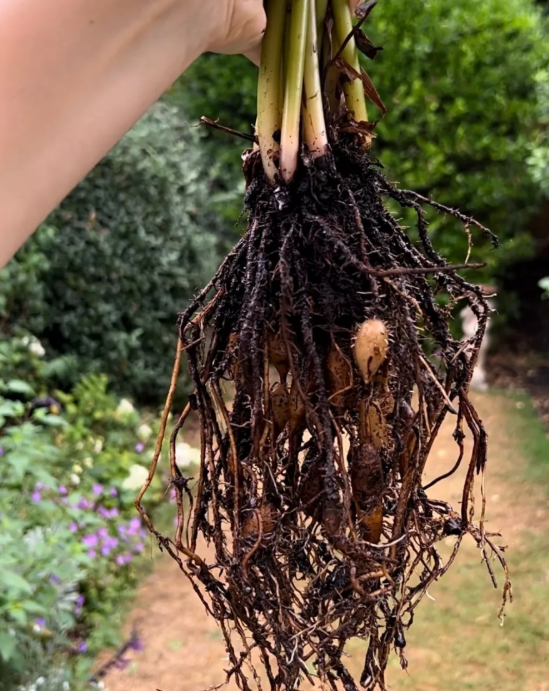
Many Pothos enthusiasts face root rot caused by overwatering and poor soil conditions. Recognizing early signs and understanding why root rot occurs are essential first steps toward treatment.
Visual Identification of Root Rot
- Soft, brown, or black roots: Healthy roots are firm and pale. When infected, they soften, turn dark, and often emit a foul smell.
- Yellowing or wilting leaves: Leaves may become discolored, yellow, or start drooping despite proper lighting.
- General plant decline: The overall health of your Pothos deteriorates, with slow growth and sluggish appearance.
Common Causes of Root Rot
- Overwatering: Excess moisture creates a soggy environment that promotes fungal growth.
- Poor drainage: Soil that retains too much water traps roots, depriving them of oxygen.
- Overly wet soil: Keeping soil constantly moist without allowing it to dry out can suffocate roots.
- Inappropriate containers: Lack of drainage holes leads to stagnant water, increasing rot risk.
Diagnosing the Exact Cause
Pinpointing the root cause of your Pothos’s root rot helps tailor the most effective solution. Here's how to assess the situation:
Step 1: Inspect the Roots
- Gently remove the plant from its pot.
- Rinse roots with lukewarm water to clear soil.
- Look for soft, discolored, or foul-smelling roots.
Step 2: Analyze Soil and Watering Conditions
- Smell the soil—foul odor indicates rot.
- Notice soil moisture levels—soggy and retained water suggest overwatering.
- Check drainage—poor drainage or compacted soil traps water around roots.
Step 3: Examine the Pot
- Ensure your pot has adequate drainage holes.
- If the pot is sealed or lacks drainage, waterlogging is likely the culprit.
How to Tell Which Cause is Affecting Your Plant
- Foul smell + black, mushy roots: Likely caused by overwatering and poor drainage.
- Moist soil with healthy-looking roots: Less likely rot—consider other stress factors.
- Stagnant water in saucer: Water accumulation can lead to root damage.
Treatment Solutions
Acting promptly is crucial to save your Pothos from permanent damage. Here’s a step-by-step guide tailored to different causes:
Immediate Actions
Step 1: Remove Affected Roots
- Carefully cut away all soft, black, or brown roots using sterilized scissors or pruning shears.
- Discard severely damaged roots to prevent spread.
Step 2: Adjust Watering Habits
- Let the remaining roots dry out for a few hours.
- Do not water your Pothos immediately after root pruning; give it time to recover.
Step 3: Repot in Well-Draining Soil
- Use a high-quality potting mix designed for succulents or orchids—these drain excess water efficiently.
- Choose a container with drainage holes to prevent future waterlogging.
Long-term Recovery Plan
- Establish a proper watering schedule: Water only when the top inch of soil feels dry.
- Avoid waterlogged soil: Ensure excess water drains out immediately.
- Placement: Keep your Pothos in a spot with bright, indirect light to aid recovery.
- Monitor the plant's progress: Watch for new growth, which indicates recovery.
Prevention Tips
Prevention is always better than cure. Here’s how to keep root rot at bay and support healthy root growth:
1. Adjust Your Watering Routine
- Water your Pothos every 1-2 weeks, depending on humidity and temperature.
- Always check soil moisture before watering—stick your finger about an inch into the soil; only water if it feels dry.
2. Use Well-Draining Soil and Pots
- Opt for a fast-draining potting mix.
- Ensure your pots have drainage holes; consider elevating the pot slightly to allow excess water to escape.
3. Avoid Overwatering and Maintain Proper Humidity
- Pothos prefer moderate humidity—avoid keeping the soil constantly wet.
- Use a saucer with stones or pebbles to elevate the pot, preventing water from sitting at the base.
4. Regular Root and Soil Inspection
- Periodically remove the plant from the pot to check roots.
- Remove any dead or mushy roots immediately to prevent spread.
Conclusion
Proper watering, well-draining soil, appropriate containers, and early detection are key to preventing and fixing Pothos root rot. Remember, even if your plant shows signs of distress, it’s often salvageable with prompt and careful action. Patience is essential—a healthy root system will soon give rise to fresh, vibrant foliage. Start by inspecting your plant’s roots today, adjust your watering habits, and give your Pothos the tender loving care it needs. With these steps, you’ll be well on your way to restoring your treasured indoor plant!
Q: How long until I see improvement after treating root rot?
A: Recovery time varies, but typically, you can expect to see new root growth within a few weeks if your plant is in proper conditions. Keep monitoring for new, healthy leaves and roots as signs of recovery.
Q: Can my Pothos completely recover from root rot?
A: Yes, if the damage isn’t too severe, your Pothos can fully recover. The key is to remove all affected roots, improve its environment, and maintain good watering practices.
Q: Should I prune all the affected roots and leaves, and how?
A: Yes, prune away all mushy, discolored roots using sterilized scissors. For leaves that are yellowing or wilted, trim just above the healthy green part. Sterilize your tools before and after pruning to prevent infection.
By following these friendly, practical tips, your Pothos will bounce back, thriving in its indoor home once more. Happy gardening!