Noticing a white fuzzy growth on your beloved Pothos can be worrying, but don’t fret — it’s a common issue that’s usually solvable. Whether you’re a beginner or an intermediate plant enthusiast, identifying and addressing this problem promptly can save your plant’s health and beauty. This guide will help you understand why your Pothos develops white fuzz, how to diagnose the root cause, and practical ways to treat and prevent it. With a little patience and proper care, your Pothos can bounce back healthy and vibrant!
Section 1: Understanding the Problem
Visual Identification of White Fuzz: Texture, Location, and Appearance
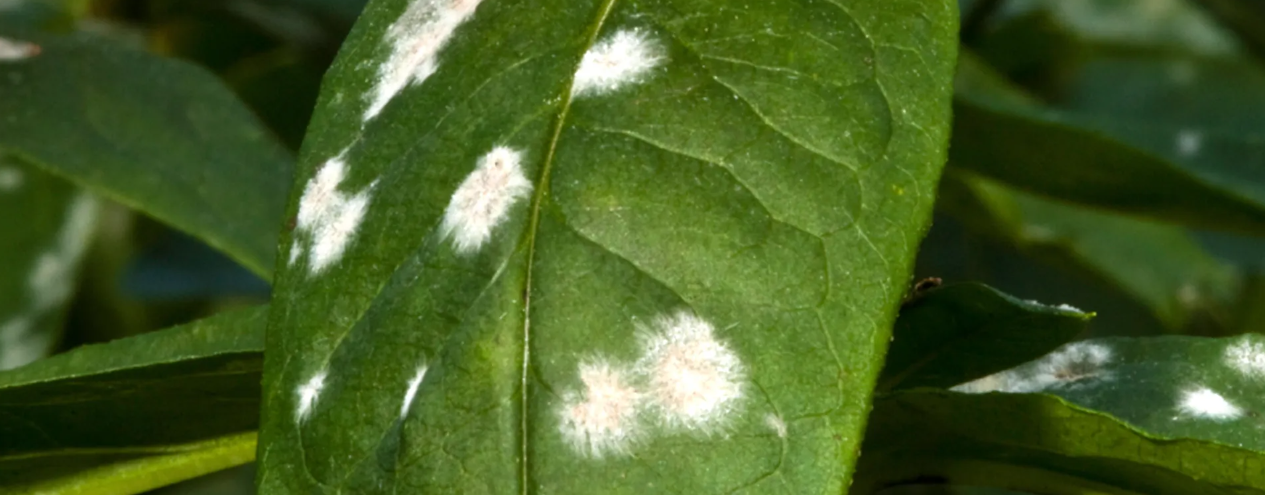
White fuzz on Pothos often appears as a soft, powdery, or cottony-looking growth on the leaves, stems, or even the soil surface. It can be localized in spots or cover large areas of the plant. Typically, it feels velvety or fuzzy when touched, resembling tiny cotton balls or powder-coated patches. Carefully examine your plant—check the undersides of leaves, leaf nodes, stems, and soil surface. Noticing the texture and location can give vital clues about the cause.
Common Causes Overview: Pests, Fungal Growths, or Moisture Issues
White fuzz on Pothos may be caused by:
- Pests, such as mealybugs, which produce white cottony masses.
- Fungal infections, like powdery mildew or mold, which create white powdery or fuzzy patches.
- Environmental humidity or water-related issues, leading to mold or mildew development, especially in overly humid environments or when the plant is overwatered. Understanding these causes will help you decide the appropriate treatment steps.
Section 2: Diagnosing the Exact Cause
Follow a Step-by-Step Process to Identify the Culprit
Cause 1: Mealybugs (White Cottony Masses on Leaves and Stems)
Look for small, soft-bodied insects covered with a white, cotton-like coating. They often congregate at leaf nodes, along stems, or on the undersides of leaves. Gently brush with your fingers or a soft cloth—if you find tiny pests hiding beneath the fuzz, pests are likely the cause.
Cause 2: Powdery Mildew or Mold (White Powdery or Fuzzy Patches)
This appears as a white, powdery or fuzzy film covering leaves or stems. It might start on a small patch and quickly spread. The affected parts may look dull or feel slightly rough. Usually, no insects are present when mold causes white fuzz.
Cause 3: Excess Humidity or Water-Related Issues Causing Mold Growth
Overwatering or consistently high humidity creates a damp environment conducive to mold or mildew. You might notice the white fuzzy growth on soil surfaces or leaf bases, especially if the soil stays wet or poorly ventilated.
Visual Clues and Inspection Tips
- Insects present? Likely mealybugs.
- Powdery or fuzzy patches with no insects? Likely fungus or mold.
- Growth on soil or damp areas? Humidity or watering issues. Use a magnifying glass if necessary to observe tiny pests or fungal growths for more accurate diagnosis.
Section 3: Treatment Solutions
Immediate Actions: Isolating the Plant and Manual Removal
- Isolate your Pothos to prevent spreading pests or mold to other plants.
- For pests like mealybugs, manually remove the white cottony masses with a soft brush or cotton swab dipped in alcohol.
- For mold or mildew, gently wipe affected areas with a damp cloth or paper towel.
Natural Remedies: Neem Oil, Insecticidal Soap, Hydrogen Peroxide Solution
- Neem Oil: Mix according to package instructions and spray on infected areas to deter pests and fungal growth.
- Insecticidal Soap: Use a gentle, plant-safe soap spray to eliminate pests like mealybugs. Repeat every few days if necessary.
- Hydrogen Peroxide Solution: Mix one part hydrogen peroxide (3%) with four parts water. Spray lightly on affected areas to disinfect and kill mold spores.
Chemical Treatments: Pesticides and Fungicides When Necessary
For severe infestations or persistent fungal infections, you may consider using commercial pesticides or fungicides designed for indoor plants. Always follow label instructions carefully and ensure your plant is in a well-ventilated space during application.
Long-Term Care: Improving Airflow, Reducing Humidity, Proper Watering
- Ensure your plant has good air circulation by placing it in a well-ventilated spot.
- Avoid overwatering; let the top inch of soil dry out between watering sessions.
- Use a humidity meter to maintain moderate humidity levels (around 40-60%).
- Remove fallen leaves and clear debris to reduce mold breeding grounds.
What to Expect During Recovery
Once you address the root cause, your Pothos’s health will improve visibly over the following weeks. You’ll notice new, healthy growth and fewer fuzzy patches. Continue with regular inspections and good care to prevent a recurrence.
Section 4: Prevention Tips
Maintain Proper Watering and Humidity Levels
Consistently water only when the topsoil dries out. Use well-draining soil to prevent excess moisture retention. Maintain indoor humidity at moderate levels to discourage mold growth.
Ensure Good Air Circulation and Avoid Overwatering
Place your Pothos where it receives gentle airflow; avoid placing it in stagnant, enclosed spaces. Use a fan if necessary to promote circulation and reduce humidity around the plant.
Regularly Inspect Plants for Early Signs
Frequent observation helps catch issues before they escalate. Look for early signs of pests or mold—tiny white spots, fuzzy patches, or sticky residue—and act immediately.
Use Preventive Natural Treatments if Needed
Applying a light spray of neem oil or insecticidal soap every couple of months strengthens your plant’s defenses. These natural remedies are safe and effective at preventing white fuzz caused by pests or fungi.
Conclusion
Remember, identifying and treating white fuzz promptly can restore your Pothos’s health, and prevention is key to long-term plant happiness. Whether it’s pests, fungal growth, or environmental factors, each issue has clear solutions. Your care and attention make all the difference—your thriving indoor jungle awaits! You’re capable of solving this issue with patience and proper care—your plant will thank you! Start with careful identification, choose the right treatment, and implement prevention strategies to keep your Pothos lush and healthy year-round.
Q: How long until I see improvement after treatment?
A: It varies depending on the cause. Typically, you should notice improvements within 1-2 weeks—pests die off or mold begins to clear. Continue with treatment as needed, and be consistent with care routines.
Q: Will my Pothos fully recover from fungal or pest damage?
A: Yes, with proper treatment and care, most Pothos can fully recover from pest or fungal issues. Keep monitoring, prune severely affected parts if necessary, and maintain optimal growing conditions to promote new healthy growth.
Q: Should I prune parts of my Pothos affected by white fuzz?
A: Pruning affected areas helps prevent the spread, especially if new growth is compromised. Use clean, sharp scissors and discard the pruned parts safely. This encourages healthy, vigorous development afterward.