Are brown tips ruining the look of your beloved spider plant? Don’t worry—brown tips on your spider plant are a common issue, and with some simple adjustments, you can restore its lush, vibrant appearance. This guide will help you identify the causes, diagnose the problem accurately, and apply effective treatments so your plant can thrive once again.
Introduction
Noticing brown tips on your spider plant can be concerning, but don't worry—it’s a common issue with simple fixes. Many indoor plant enthusiasts encounter this problem, especially those new to caring for their green friends. Brown tips can be a sign of various underlying issues, but with attentive care and the right strategies, you can easily fix it. This guide will help you identify causes, diagnose the problem, and provide practical solutions to keep your spider plant healthy and beautiful. With patience and proper care, your plant will bounce back in no time!
Section 1: Understanding the Problem
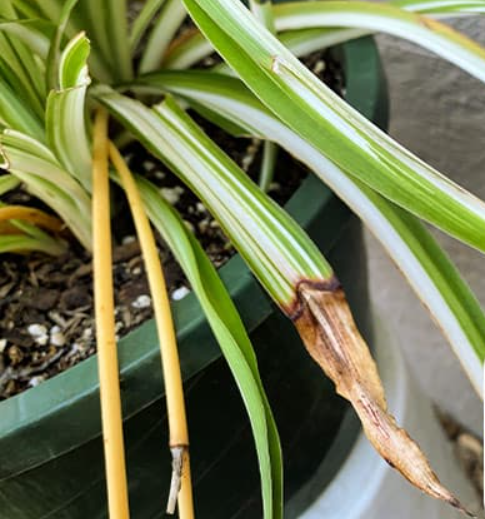
Visual Identification of Brown Tips
Before jumping into solutions, it’s essential to recognize what brown tips on your spider plant look like. Typically, you'll notice:
- Crispy, dry, or brittle edges on the leaf tips
- Discoloration that ranges from light brown to dark brown
- Tips that may appear shriveled or withered
- Sometimes, a clear line between healthy green and the brown, dead tissue Tip: Use a magnifying glass if necessary to see close-up details. The severity can vary—from minor discoloration to extensive browning.
Common Causes Overview
Brown tips don’t appear randomly—there's usually an underlying reason. The most common causes include:
- Overwatering or underwatering: Both can stress your plant, leading to brown tips.
- Low humidity: Indoor air often becomes dry, especially in winter or with heater use.
- Salt buildup: Accumulated salts from fertilizers or tap water can damage roots and leaf tips.
- Inconsistent watering: Fluctuations in watering schedule may cause stress.
- Nutrient deficiency: Lack of essential nutrients affects plant health. Understanding these causes helps narrow down the specific problem, so your cure is targeted and effective.
Section 2: Diagnosing the Exact Cause
Follow a Step-by-Step Process
Pinpointing the cause requires careful observation. Here's a practical diagnostic approach:
Cause 1: Low Humidity and Dry Indoor Air
- Is the air in your home dry, especially during winter?
- Are the leaf tips dry, crisp, and appear dehydrated? Diagnostic Tip: If your plant is near a heater or in a heated room, low humidity is likely a major factor.
Cause 2: Over-fertilization Leading to Salt Buildup
- Have you applied fertilizer recently?
- Do the tips look unhealthy, even if watering habits seem correct? Diagnostic Tip: Excess fertilizer can cause salts to accumulate in the soil, leading to tip burn.
Cause 3: Improper Watering Practices (Over or Underwatering)
- Is the soil constantly soggy or overly dry?
- How often do you water your plant? Diagnostic Tip: Check soil moisture—if the soil is waterlogged or completely dry, adjust your watering schedule accordingly.
How to Tell Which Cause Applies to Your Plant
- Dry, crispy tips + dry air = likely low humidity
- Browning after fertilizing = salt buildup
- Wilted or soggy soil = overwatering or underwatering By observing these signs, you can determine the primary cause and tailor your fixing strategy accordingly.
Section 3: Treatment Solutions
Once you've diagnosed the cause, here are targeted fixes to help your spider plant recover:
Immediate Actions
- Improve humidity: Place a humidifier nearby or set your plant on a pebble tray filled with water to increase moisture in the air.
- Flush salt buildup: Water the plant thoroughly with distilled or filtered water until excess salts are washed out of the soil.
- Adjust watering schedule: Ensure the top inch of soil dries out between waterings to prevent over or underwatering.
Long-term Treatment Plan
- Use filtered or distilled water: This reduces mineral content that causes salt accumulation.
- Fertilize sparingly: Use a balanced, diluted houseplant fertilizer only during the growing season (spring and summer), and avoid over-application.
- Maintain ideal humidity: Keep indoor humidity levels between 40-60%. Use humidifiers, especially in dry seasons.
- Consistent watering routine: Stick to a regular schedule, watering only when the top 1-2 inches of soil feel dry.
Monitoring Recovery
- Signs of improvement: New leaf tips should start looking healthier, and brown tips should halt or fade.
- Pruning: Carefully prune the severely damaged brown tips with clean scissors. Don't cut into healthy green tissue to avoid harming the plant.
Section 4: Prevention Tips
Prevention is always better than cure. Implement these simple routines to keep your spider plant tip-top:
1. Ensure Consistent Watering
- Allow the soil to dry slightly between watering sessions.
- Use your finger or a moisture meter to monitor soil moisture levels.
2. Increase Humidity
- Use a humidifier or place a tray of water and stones underneath your plant.
- Group plants together to create a microenvironment with higher humidity.
3. Use Balanced, Diluted Fertilizer
- Fertilize only during the active growing season.
- Always dilute fertilizers to half strength to prevent salt buildup.
4. Regular Soil Flushing
- Every few months, water your plant thoroughly and allow excess water to drain completely, flushing out accumulated salts.
5. Avoid Sudden Changes
- Gradually adjust watering and humidity routines to prevent shock.
Conclusion
Recap of diagnosing brown tips, treatment methods, and prevention tips to keep your spider plant healthy Brown tips on a spider plant can be distressing, but they are usually fixable with proper care. Start by identifying whether the problem stems from low humidity, over-fertilization, or watering issues. Once diagnosed, apply targeted solutions like improving air moisture, flushing salts, or adjusting your watering habits. Don’t be discouraged—most brown tips are a sign that your plant needs some TLC, and with patience, your spider plant can recover beautifully. Regular maintenance, attentive watering, and humidity control will keep those tips lush and green, turning your indoor garden into a thriving, eye-catching space. Get started today—your green friend will thank you!
FAQ
Q: How long until I see improvement after fixing brown tips?
A: Usually, you’ll notice signs of recovery within a few weeks. New growth should appear healthy, and existing brown tips may stop browning if the cause has been addressed. Patience is key, as plants take time to heal.
Q: Can I prune brown tips without harming the plant?
A: Yes, pruning brown tips with clean, sharp scissors is beneficial. Cut just outside the brown, crispy area, being careful not to damage healthy tissue. This encourages the plant to grow new, healthy tips.
Q: Are there natural remedies to prevent new brown tips from forming?
A: Beyond proper watering and humidity, you can regularly mist your plant, avoid over-fertilizing, and use rainwater or filtered water to reduce mineral deposits. These practices help prevent recurrence and promote overall health.
Remember, caring for a spider plant is a rewarding experience. With a bit of attention and love, your plant will flourish and bring joy to your indoor space!