Discover why your ZZ plant develops black spots on the bottom leaves and learn effective solutions and prevention tips to restore its health.
Introduction
Noticing black spots on the bottom leaves of your ZZ plant can be unsettling—it's natural to worry about your beloved greenery. As a plant enthusiast, you want your plant to thrive, and any sign of trouble can feel like a setback. But don't worry—you're not alone, and with a little knowledge, you can diagnose the problem and help your ZZ plant recover beautifully.
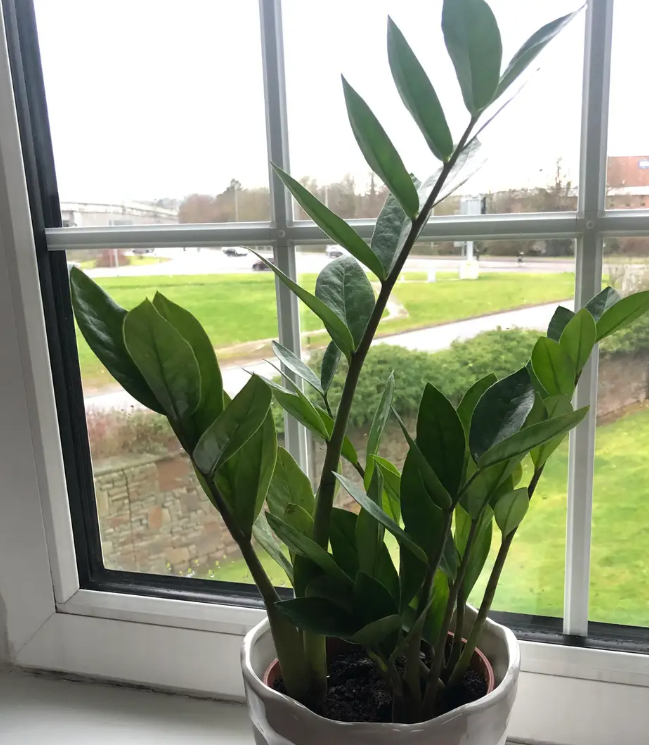
In this article, we'll explore the common causes behind black spots on ZZ plant leaves, how to accurately diagnose the issue, practical treatment options, and effective prevention strategies. Rest assured, with attentive care and patience, your ZZ plant can bounce back and flourish once again.
Section 1: Understanding the Problem
Visual Identification of Black Spots on Lower Leaves
Black spots on ZZ plant leaves typically appear as irregular or round patches that contrast sharply against the healthy green. They are often found on the lower, older leaves first, gradually spreading if left untreated. These spots may look shiny or matte, and sometimes the affected leaves may start to wilt or turn yellow before dropping.
Common Causes Overview
There are several reasons why black spots might appear on your ZZ plant's bottom leaves:
- Overwatering and poor drainage leading to root rot
- Fungal infections, such as leaf spot disease
- Pests causing physical damage and secondary infections
- Environmental stressors like low humidity, sudden temperature changes, or physical injury Understanding these causes is essential to choosing the right treatment and preventing future issues.
Section 2: Diagnosing the Exact Cause
Follow a Step-by-Step Diagnostic Process
Accurate diagnosis is key to effective treatment. Here's how you can determine what's causing the black spots:
Cause 1: Fungal Infections such as Leaf Spot Disease
- Look for spots that are dark, sometimes with a slightly fuzzy or powdery border.
- Check if other leaves or stems show similar symptoms.
- Fungal spots often develop in humid conditions or after watering mishaps.
Cause 2: Overwatering Leading to Root and Leaf Issues
- Notice if the soil feels consistently wet or soggy.
- Examine the roots—overwatering causes root rot, which can manifest as black, mushy roots and leaf discoloration.
- The black spots might be a sign of underlying root decay affecting leaf health.
Cause 3: Pests or Physical Damage
- Inspect leaves and stems for signs of pests like scale insects, mealybugs, or spider mites.
- Pests can cause physical damage, leading to secondary infections and black spots.
- Physical injury during handling or repotting can also cause blackened areas.
How to Tell Which Cause Applies to Your Plant
- Check soil moisture: if overly wet, overwatering is likely.
- Look for pests: presence indicates pest issues.
- Assess leaf appearance: fuzzy borders suggest fungal infection.
- Examine roots: root rot signs confirm overwatering issues.
Section 3: Treatment Solutions
Immediate Actions: Removing Affected Leaves and Adjusting Watering Habits
- Carefully prune and remove all leaves with black spots using sterilized scissors.
- Discard affected debris to prevent spreading.
- Adjust watering schedule: water only when the top inch of soil feels dry.
- Ensure your pot has drainage holes to prevent water buildup.
Chemical Treatments: Fungicides If Fungal Infection Is Confirmed
- Use a fungicide labeled for houseplants, following the manufacturer's instructions.
- Apply to affected areas and surrounding foliage to inhibit fungal growth.
- Repeat treatments as recommended until symptoms subside.
Natural Remedies: Neem Oil or Hydrogen Peroxide Applications
- Neem oil: Mix according to label instructions and spray on affected leaves to combat fungi and pests.
- Hydrogen peroxide: Dilute a 3% solution with water (1:3 ratio) and lightly spray or dab on black spots to disinfect and promote healing.
Long-term Care: Proper Watering, Humidity Control, and Pathogen Prevention
- Maintain consistent watering habits—avoid overwatering.
- Keep humidity levels moderate; ZZ plants prefer dry to moderate air.
- Ensure good airflow around your plant to reduce fungal growth.
- Regularly inspect your plant for early signs of problems.
What to Expect During Recovery
- Black spots may gradually fade or stop spreading.
- New growth should appear healthy if conditions are corrected.
- Patience is key—full recovery can take several weeks.
Section 4: Prevention Tips
Adjusting Watering Routines to Avoid Overwatering
- Water only when the top inch of soil feels dry.
- Use pots with drainage holes to prevent excess moisture accumulation.
Ensuring Proper Airflow and Humidity Levels
- Place your ZZ plant in an area with good air circulation.
- Avoid overly humid environments; maintain moderate humidity.
Monitoring Environmental Stressors
- Keep your plant away from drafts, direct sunlight, or sudden temperature changes.
- Use a thermometer and hygrometer to monitor indoor conditions.
Regular Inspection and Early Intervention
- Check your plant weekly for signs of pests, disease, or stress.
- Address issues promptly to prevent escalation.
Conclusion
Black spots on the bottom leaves of your ZZ plant are a common concern, but they are manageable with the right approach. Whether caused by overwatering, fungal infections, pests, or environmental stress, early diagnosis and targeted treatment can save your plant. Remember, patience and consistent care are your best allies. With proper adjustments to watering, improved airflow, and vigilant monitoring, your ZZ plant can recover and become lush and vibrant once more. Don't be discouraged—your plant’s health depends on your attentive care!
Next Steps
- Follow the diagnostic steps outlined above to identify the cause.
- Implement the appropriate treatment measures.
- Adopt preventive habits to keep your ZZ plant healthy and disease-free. Your green friend is resilient, and with a bit of effort, it will thrive again!
FAQ
Q: How long until I see improvement after treatment?
A: Typically, you can expect to see signs of recovery within 2 to 4 weeks, depending on the severity of the issue and the treatment implemented. Consistency in care is crucial; continue monitoring and adjusting your care routine.
Q: Can black spots cause permanent damage or death?
A: If addressed early, black spots usually do not cause permanent damage. However, severe or prolonged infections, especially root rot, can threaten your plant's survival. Prompt removal of affected leaves and correcting environmental conditions greatly improve recovery chances.
Q: Should I prune all affected leaves or only the ones with spots?
A: It’s best to prune only the leaves with black spots to prevent spreading. Use sterilized scissors and make clean cuts. Removing severely affected leaves helps the plant focus energy on healthy growth and reduces the risk of disease spread.
Taking care of your ZZ plant might require some patience, but with proper diagnosis and attentive care, you can restore its health and enjoy its lush, vibrant foliage once again. Happy planting!