Quick Summary: Drooping leaves on your Fiddle Leaf Fig can be alarming, but with a careful diagnosis and targeted care, you can help your plant bounce back. This guide walks you through common causes, practical solutions, and easy prevention tips for healthier, more resilient leaves.
Introduction
Noticing your Fiddle Leaf Fig’s leaves drooping or sagging can be incredibly stressful—it's natural to worry about what’s going wrong. Perhaps your plant suddenly looks limp or its once-pristine leaves have become floppy, and you’re unsure why. Rest assured, you're not alone, and many plant parents face this challenge at some point. Drooping leaves are often signs that something in your plant’s environment or care routine needs adjusting. The good news is, most causes are fixable and your plant can recover with a little attention and patience. Understanding the root of the problem is key—whether it’s watering issues, environmental stress, or pests. This article will help you identify the causes of drooping Fiddle Leaf Fig leaves, diagnose what’s specific to your plant, and follow simple, effective steps to restore its health. With the right care, your Fiddle Leaf Fig can thrive again, becoming the lush, beautiful centerpiece you love.
Section 1: Understanding the Problem
Drooping on Fiddle Leaf Figs is a common issue that can stem from several factors. Recognizing the symptoms accurately is the first step toward fixing it.
Visual Identification of Drooping Leaves
- Leaves appear limp, drooping downward instead of standing upright
- Sometimes the leaves may feel soft or floppy to the touch
- Leaf margins might curl slightly or look dull
- The problem might be sudden or develop gradually over weeks
Why It Matters
Healthy Fiddle Leaf Figs typically display firm, shiny leaves that stand upright. Persistent drooping can threaten overall plant health, making it more vulnerable to pests or disease. Early detection allows timely intervention, preventing more severe issues like root rot or leaf drop.
Common Causes Overview
- Overwatering or waterlogged soil
- Underwatering or dry soil
- Temperature stress (cold drafts, heat fluctuations)
- Inadequate light levels
- Pest infestations Misconceptions include thinking drooping is always because of pests or only underwatering. Often, a combination of environmental factors plays a role, so careful observation is essential.
Section 2: Diagnosing the Exact Cause
Follow these steps to pinpoint what’s causing the drooping leaves on your Fiddle Leaf Fig. A precise diagnosis ensures your treatment is effective and keeps your plant safe.
Cause 1: Overwatering and Waterlogged Soil
- Symptoms: Soft, mushy roots; foul smell from the soil; soil remains constantly wet.
- How to confirm: Gently remove the top inch of soil and check root firmness. Healthy roots should be white or light tan and firm. Dark, slimy, or rotting roots indicate overwatering.
- Why it happens: Too much watering, poor drainage, or high humidity can cause roots to suffocate and rot, leading leaves to droop.
Cause 2: Underwatering
- Symptoms: Soil feels bone dry; leaves become limp, dry, and brittle.
- How to confirm: Touch the soil. If it’s dry several inches down, your plant needs watering. Soft, crispy leaves indicate dehydration.
- Why it happens: Inconsistent watering or neglect can deprive roots of moisture, causing leaves to wilt.
Cause 3: Temperature Stress
- Symptoms: Leaves droop suddenly, often with cold spots or drafts.
- How to confirm: Check the environment for drafts, air conditioning vents, or proximity to cold windows. Sudden temperature drops can shock the plant.
- Why it happens: Fiddle Leaf Figs prefer stable warmth, around 65-75°F, and hate chilly drafts or heat fluctuations.
Cause 4: Insufficient Light
- Symptoms: Plant stretches upward, leaves may turn yellow or drop.
- How to confirm: Observe if your plant is located in low-light spots or if leaves are distant from light sources.
- Why it happens: Lack of bright, indirect light causes the plant to weaken and leaves to sag.
Cause 5: Pest Problems
- Symptoms: Small webs, sticky residue, visible pests like spider mites or mealybugs, and cellular damage.
- How to confirm: Inspect the undersides of leaves and stems closely with a magnifying glass.
- Why it happens: Pests feed on plant sap, weakening cell structure, leading to drooping.
How to Tell Which Cause Applies: Checklist
- Check soil moisture—dry, moist, or waterlogged?
- Observe environmental conditions—drafts, temperature swings?
- Inspect the plant carefully for pests.
- Note recent changes in light exposure or watering habits.
Section 3: Treatment Solutions
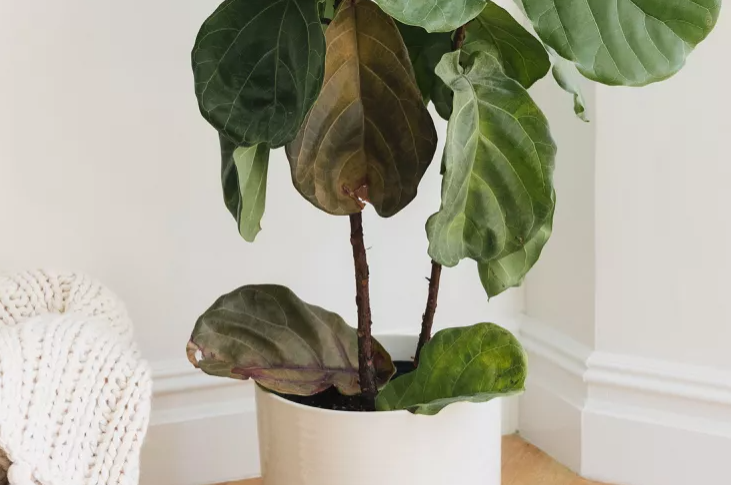
Once you've identified the cause, follow these targeted steps to help your Fiddle Leaf Fig recover.
Immediate Actions (First 24-48 Hours)
- Assess watering: Adjust watering schedule based on soil moisture.
- Relocate the plant: Move away from drafts, cold windows, or heat sources.
- Inspect for pests: Look for signs and treat accordingly.
- Provide optimal light: Ensure bright, indirect sunlight.
Long-Term Treatment
For Overwatering
- Repotting: Carefully remove the plant from its pot, gently unpot, and trim away any rotten roots with sterilized scissors.
- Soil: Use a well-draining soil mixture—peat-based with perlite or sand.
- Drainage: Choose pots with drainage holes, and never leave excess water in the saucer.
- Watering: Wait until the top inch of soil feels dry before watering again; water thoroughly but infrequently.
- Timeline: Roots can recover in 2-4 weeks with proper care.
For Underwatering
- Water consistently: Resume watering when the top inch of soil feels dry.
- Water thoroughly: Ensure the entire root ball receives moisture.
- Humidity: Increase humidity using a humidifier or pebble tray if your environment is dry.
- Monitoring: Water every 1-2 weeks, adjusting based on soil dryness.
- Timeline: Leaves often plump up and become firm within a week or two.
For Temperature Stress
- Relocate: Move your plant away from drafts, cold windows, or heating vents.
- Stabilize environment: Keep consistent temperature within 65-75°F.
- Insulate: Use draft stoppers or curtains during cold months if necessary.
- Timeline: New growth can begin within a few weeks if conditions improve.
For Insufficient Light
- Increase light exposure: Place your Fiddle Leaf Fig near a south or east-facing window.
- Use grow lights: Supplement natural light with full-spectrum grow lights if indoors with limited sunlight.
- Adjust position: Rotate the plant regularly to ensure even light.
- Timeline: New leaves and improved posture appear within 4-6 weeks.
For Pest Problems
- Natural remedies: Spray with neem oil or insecticidal soap every 7-10 days.
- Chemical options: Use registered insecticides as a last resort and follow instructions carefully.
- Isolation: Keep the affected plant away from others to prevent pests spreading.
- Deep cleaning: Wipe leaves with a damp cloth to remove pests and debris.
- Timeline: Pests should diminish within 2-3 weeks with consistent treatment.
During Recovery: Maintain Stable Conditions
- Keep consistent watering and lighting.
- Avoid sudden changes or overfeeding.
- Monitor for new drooping or pest signs.
- Be patient—the plant’s full recovery may take several weeks.
Section 4: Prevention Tips
Prevention is your best ally in keeping your Fiddle Leaf Fig healthy and vibrant.
- Establish a regular watering routine: Check soil moisture weekly—water only when the top inch is dry.
- Maintain optimal temperature (65-75°F): Avoid sudden cold drafts or heat surges that stress the plant.
- Provide bright, indirect light: Aim for at least 6 hours of filtered sunlight daily.
- Use well-draining soil: This prevents water from sitting around roots and causing rot.
- Ensure proper drainage: Choose pots with drainage holes and empty excess water.
- Inspect regularly for pests: Catch and treat infestations early.
- Boost humidity: Use a humidifier or pebble tray to mimic native tropical conditions. These simple care adjustments promote robust growth and help avoid drooping issues before they start.
Frequently Asked Questions
Q: How long does it take for a Fiddle Leaf Fig to recover from drooping?
A: Recovery time varies but generally takes 2-4 weeks with proper care. Leaf firmness and plant uprightness improve as roots regain strength and environmental conditions stabilize.
Q: Can I prune damaged leaves or roots without harming my plant?
A: Yes. Use clean, sharp scissors or pruning shears to remove any severely damaged or dead leaves. For roots, only prune if you see rotting, and always sterilize tools beforehand to prevent infection.
Q: How often should I check my Fiddle Leaf Fig for pest issues?
A: Inspect your plant once a month, paying close attention to leaf undersides, stems, and the soil surface. Prompt detection allows for quick treatment.
Conclusion
Drooping leaves on your Fiddle Leaf Fig are often caused by watering issues, environmental stresses, or pests—common challenges faced by many plant enthusiasts. The key is accurate diagnosis: check your watering habits, environment, and plant health carefully. Once you identify the cause, targeted adjustments—whether watering, repositioning, or pest control—can restore your plant’s vitality.
Key Takeaways:
- Overwatering, underwatering, temperature stress, inadequate light, and pests are common causes of drooping leaves.
- Immediate steps include adjusting watering, relocating the plant, and inspecting for pests.
- Consistent care, proper watering, stable temperature, bright indirect light, and pest prevention are vital for long-term health.
- Patience and attentive care will help your Fiddle Leaf Fig regain its lush, upright beauty. Remember, with gentle attention and a little bit of time, your beloved plant can recover and continue gracing your space with its stunning foliage. Start today by assessing your plant’s conditions, and take the first step toward helping it thrive again!