Noticing sticky leaves on your Aloe Vera can be confusing and concerning. As a beloved indoor plant, Aloe Vera is appreciated not only for its medicinal properties but also for its resilience and low maintenance. However, when you see your plant’s leaves coated with a sticky residue, it can initially cause worry. Is your Aloe Vera sick? Is there a pest problem? Or is something else going on?
This guide will help you identify why your Aloe Vera has sticky leaves, guide you through simple diagnostic steps, and show you effective solutions to restore your plant’s health. With patience and gentle care, you’ll be able to solve this issue and keep your Aloe thriving.
Section 1: Understanding the Problem
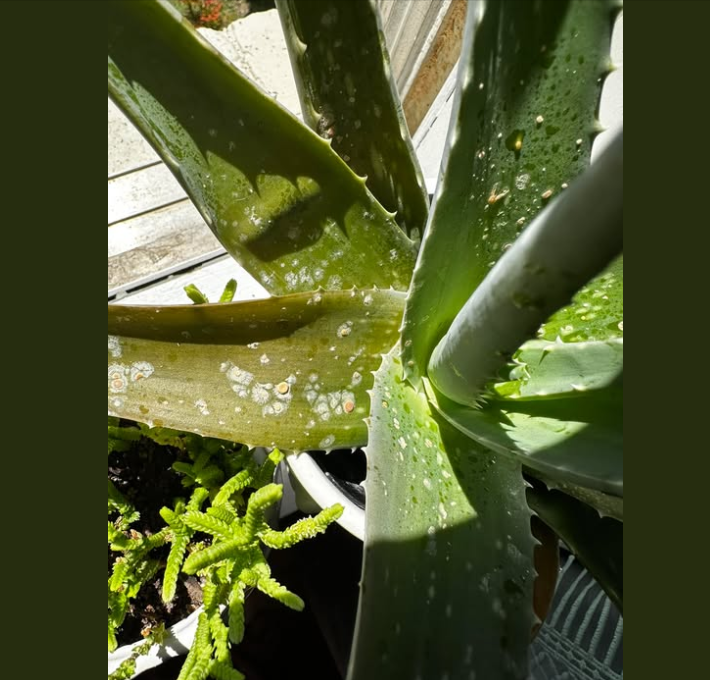
Visual Identification of Sticky Leaves
First, observe your Aloe Vera leaves carefully. Sticky leaves are typically coated with a shiny, often translucent or slightly yellowish film that feels tacky or slimy when touched. Sometimes, this residue is accompanied by a sticky mess on the surface or even drips running down the leaves.
Overview of Common Causes: Pests, Sap Excretion, and Environmental Factors
Several factors can cause sticky leaves in Aloe Vera, including:
- Natural plant processes (sap secretion)
- Pest infestations (such as scale insects, aphids, or mealybugs)
- Environmental stressors (like overwatering or sudden temperature changes) Understanding which of these is affecting your Aloe Vera is crucial for effective treatment.
Section 2: Diagnosing the Exact Cause
To determine why your Aloe Vera has sticky leaves, follow these step-by-step diagnostic procedures.
Cause 1: Sap Secretion or Natural Plant Process
Aloe Vera naturally produces a clear, gel-like sap. Under certain stress conditions or when damaged, the plant may exude excess sap as a defense mechanism. This is usually harmless and part of the plant’s natural response. How to tell:
- The sticky substance appears as a clear, viscous liquid on the leaves or around the leaf base.
- No visible pests are present on the plant.
- The plant shows no signs of insect infestation or damage.
Cause 2: Pest Infestation (e.g., Scale Insects, Aphids, Mealybugs)
Many pests excrete a sticky substance called honeydew, which causes leaves to become sticky. Common pests include:
- Scale insects: Small, oval, and often resemble tiny bumps attached to leaves or stems.
- Aphids: Soft-bodied insects that cluster on new growth.
-
Mealybugs: White, cotton-like pests that hide in crevices. How to identify:
-
Look closely at the leaves, especially at the base, for pests or their eggs.
- Check for tiny moving insects or white cottony clusters.
- Dispose of pests gently with a soft brush or cloth.
Cause 3: Environmental Stress Leading to Excessive Sap or Pest Attraction
Stress factors, such as overwatering, poor drainage, or sudden temperature fluctuations, can weaken the plant's natural defenses or make it more attractive to pests, indirectly resulting in sticky leaves. Indicators:
- Overly wet or soggy soil.
- Leaves showing signs of rot or discoloration.
- Pests appearing after environmental changes.
How to Tell Which Cause Applies to Your Plant
- No pests, clear sap: Likely a natural response or minor plant stress.
- Pests visible or signs of pest damage: Infestation is the culprit.
- Sticky residue along with other stress signs: Check your watering habits and environmental conditions.
Section 3: Treatment Solutions
Once you’ve diagnosed the cause, apply appropriate remedies.
Immediate Actions: Gently Remove Pests, Clean Leaves, Adjust Watering
- Use a soft cloth or a gentle brush dipped in soapy water to remove pests and residue.
- Wash leaves with a mild soap solution to clean surface buildup.
- Reduce watering frequency if overwatering is suspected—Aloe Vera prefers dry conditions.
Long-term Treatment: Natural Remedies and Chemical Treatments
For pest infestations:
- Neem oil: Dilute according to instructions and spray on affected areas.
-
Insecticidal soap: Suitable for controlling pests without harming the plant. If the sticky substance is natural sap:
-
Minimize stress by ensuring proper watering, adequate sunlight, and avoiding physical damage.
- Do not prune excessively unless necessary, but remove damaged or heavily affected leaves to promote healthy growth.
Monitoring During Recovery
- Observe your Aloe Vera regularly for signs of pests or overproduction of sap.
- Keep the environment clean and consistent to prevent recurrence.
- Adjust care routines based on what you observe.
Section 4: Prevention Tips
Preventing sticky leaves in Aloe Vera is simpler than dealing with a full-blown problem. Here are some essential care tips:
Proper Watering and Humidity Control
- Water only when the soil is dry—usually every 3 weeks in typical indoor conditions.
- Use well-draining soil to prevent root rot and excess moisture.
- Avoid high humidity environments which can encourage pests and fungal issues.
Regular Inspection for Pests and Damage
- Check your Aloe Vera weekly for signs of pests, damage, or unusual residue.
- Early detection makes treatment much easier and prevents infestations from spreading.
Optimal Environmental Conditions and Stress Reduction
- Keep your Aloe Vera in a bright, sunny spot—ideally direct sunlight for several hours daily.
- Protect it from temperature extremes and drafts.
- Ensure proper container drainage to avoid overwatering.
Conclusion
Recap of Diagnosing and Fixing Sticky Leaves
When your Aloe Vera has sticky leaves, the situation might seem alarming. However, by carefully observing the type of residue and inspecting your plant, you can usually identify whether it’s natural sap, a pest infestation, or environmental stress.
Encouragement
With attentive care, your Aloe Vera can recover quickly and continue to grow strong and healthy. Remember, patience and consistent monitoring are key.
Next Steps
Apply the tailored solutions discussed above, keep a routine of regular inspections, and adjust your care based on your plant’s needs. Before long, your Aloe Vera will be back to its beautiful, healthy self, free of sticky problems.
FAQ
Q: How long until I see improvement after treatment?
A: Typically, you can expect to see signs of recovery within one to two weeks if you are consistent with your treatments. For pest removal, leaves should become cleaner and less sticky quickly, but it may take time for the plant to fully recover depending on damage severity.
Q: Can plant sap damage my Aloe Vera long-term?
A: Natural sap secretion usually does not cause long-term damage unless it indicates underlying stress. Excessive or prolonged sap secretion may lead to rot if environmental issues remain unresolved. Maintaining proper watering and avoiding physical damage helps prevent long-term problems.
Q: Should I prune leaves that are heavily sticky or damaged?
A: Yes, prune leaves that are heavily damaged or excessively sticky if they are hindering your plant’s health or aesthetics. Use clean, sharp scissors or pruning shears, and avoid removing healthy leaves unnecessarily.
Taking care of your Aloe Vera with patience and observation will ensure a happy, healthy plant that brightens your space for years to come. Happy gardening!