Struggling with leaf drop in your String of Pearls? Discover diagnosis tips, practical fixes, and prevention strategies to keep your plant healthy and thriving.
Introduction
Noticing your String of Pearls losing leaves can be alarming, especially when you're eager to see your plant grow lush and vibrant. However, leaf drop is a common issue faced by many plant parents and often signals underlying care needs rather than a sign of deep trouble. Rest assured, with some careful observation and simple adjustments, your plant can recover and flourish again.
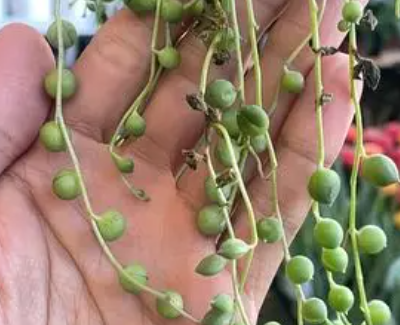
This article will help you identify the causes of leaf drop, diagnose the specific problem your plant is experiencing, and provide effective remedies and proactive tips to keep your String of Pearls healthy. Whether you’re a beginner or have been caring for your plant for a while, understanding and addressing these issues will boost your confidence and your plant’s vitality.
Section 1: Understanding the Problem
Learn how leaf drop manifests in String of Pearls and why it occurs naturally or due to care issues.
Visual identification: Recognizing healthy vs. problematic leaf drop
A healthy String of Pearls should have plump, bead-like leaves hanging gracefully from thin, trailing stems. Occasional leaf drop happens naturally – especially older, lower leaves may yellow and fall off as part of the plant's growth cycle. However, excessive or sudden leaf loss often indicates an issue that requires attention. Signs of problematic leaf drop include:
- Rapid or widespread leaf loss
- Yellowing or browning of leaves before dropping
- Drooping or wilting stems
- Leaves falling off in clusters or all at once
Common causes overview: environmental stress, watering issues, pests, or diseases
Understanding why your String of Pearls drops leaves involves considering several factors:
- Overwatering or underwatering
- Inadequate light exposure
- Low humidity
- Pest infestations
- Disease or fungal infections
- Environmental shocks like drafts or temperature fluctuations
Section 2: Diagnosing the Exact Cause
Follow diagnostic steps to pinpoint the cause of leaf drop.
Cause 1: Overwatering leading to root stress
Overwatering is a common mistake that can cause root rot, depriving roots of oxygen and leading to leaf loss. Check if the soil feels consistently wet or soggy, and look for root rot signs like a foul smell or dark, mushy roots upon repotting.
Cause 2: Underwatering causing dehydration
Conversely, underwatering dries out the plant’s stems and leaves, causing them to yellow and fall. Signs include dry, brittle leaves and soil that is excessively dry or crumbly.
Cause 3: Environmental factors such as too much direct sunlight or low humidity
Too much direct, intense sunlight can scorch leaves, making them fall off. Similarly, low humidity levels in indoor environments can cause dehydration and leaf drop. How to tell which one it is: signs and clues for each cause | Symptom | Likely Cause | Clues | |------------------------------|------------------------------|------------------------------------------------------------| | Yellowing and soft leaves | Overwatering | Soggy soil, root rot, foul smell | | Dry, crisp leaves | Underwatering | Dry soil, wilting stems, brittle leaves | | Browning edges or scorch | Excessive direct sunlight | Sunburn marks, leaves turning crispy, plant leaning away from light | | Droopy stems, dry soil | Low humidity | Leaves become limp, soil feels very dry |
Section 3: Treatment Solutions
Apply targeted fixes based on diagnosis to help your String of Pearls recover.
Immediate actions: adjust watering schedule, relocate plant, check for pests
- Adjust watering: Ensure you’re watering only when the top inch of soil feels dry.
- Relocate the plant: Place it in a spot with bright, indirect light, avoiding direct sunburn.
- Check for pests: Look for tiny insects like mealybugs, spider mites, or scale on leaves and stems. Use neem oil or insecticidal soap if pests are present.
Long-term treatment plan: proper watering, optimal lighting, humidity control
- Water properly: Water thoroughly but infrequently, allowing excess to drain away. Reduce watering in winter or dormant periods.
- Optimize lighting: Bright, indirect sunlight is ideal. Use a sheer curtain if directly facing windows.
- Increase humidity: Use a pebble tray with water underneath or a humidifier, especially in dry indoor environments.
During recovery: pruning damaged leaves, repotting if necessary, gentle care during stress
- Prune: Remove dead or severely damaged leaves and stems with clean, sharp scissors.
- Repot: If root rot is suspected, gently repot into fresh, well-draining soil, trimming away any rotted roots.
- Gentle care: Avoid disturbing the plant excessively during recovery. Maintain consistent watering and proper lighting.
Section 4: Prevention Tips
Prevent future leaf drop with proactive care adjustments.
Care routine adjustments: consistent watering, appropriate lighting
- Keep a regular watering schedule based on soil moisture.
- Provide bright, indirect light consistently.
- Avoid overwatering by ensuring pots have drainage holes.
Environmental factors: maintaining stable temperature and humidity, avoiding drafts and direct harsh sunlight
- Keep your plant in a stable environment, ideally between 65-75°F (18-24°C).
- Maintain moderate humidity levels—around 40-50%.
- Prevent drafts and sudden temperature changes, especially near heating or cooling vents.
Conclusion
Recap of diagnosing, fixing, and preventing leaf drop in String of Pearls.
Dealing with leaf drop in your String of Pearls can be frustrating, but understanding the root causes—whether overwatering, underwatering, light issues, or environmental stress—is the key to effective treatment. By carefully diagnosing your plant's specific situation, making targeted adjustments, and adopting preventive care routines, you can help your plant recover and thrive.
Encouragement
Remember, patience and consistent care are your best tools. With some love and attentive adjustments, your String of Pearls will regain its lush, bead-like beauty and bring joy to your home again.
Next steps
Start by revisiting your watering routine, check lighting and humidity conditions, and remove any damaged leaves. Regularly monitor your plant to catch issues early, and you'll enjoy a thriving string of pearls that’s full of life and charm.
FAQ
Q: How long until I see improvement after fixing the issues?
A: Typically, you can expect to see signs of recovery within a few weeks if the underlying problem is addressed promptly. New healthy growth may appear in 4-8 weeks, depending on the severity of the leaf drop and your care adjustments.
Q: Can leaf drop be permanent, or will new leaves grow back?
A: Leaf drop itself is usually not permanent. Your String of Pearls can grow new leaves as long as its roots are healthy. However, if the roots are severely damaged or diseased, regrowth may be slow or sparse. Proper care promotes healthy new growth.
Q: Should I prune all the dropped leaves or only damaged parts?
A: Prune only the damaged or dead leaves to encourage healthy growth and reduce stress on the plant. Removing healthy leaves unnecessarily can weaken the plant further.
By following these comprehensive tips, your String of Pearls will bounce back brighter and more resilient. Happy plant parenting!