Are your beloved Philodendron’s leaves turning pale or yellowing? Don’t worry—this is a common concern among indoor plant enthusiasts, especially beginners. Pale leaves can signal various issues, but with a little knowledge and care adjustments, your plant can bounce back to vibrant health. In this article, we'll explore how to diagnose the causes of pale leaves on your Philodendron, provide clear remedies, and share tips to keep your plant happy and thriving.
🪴 Understanding the Problem
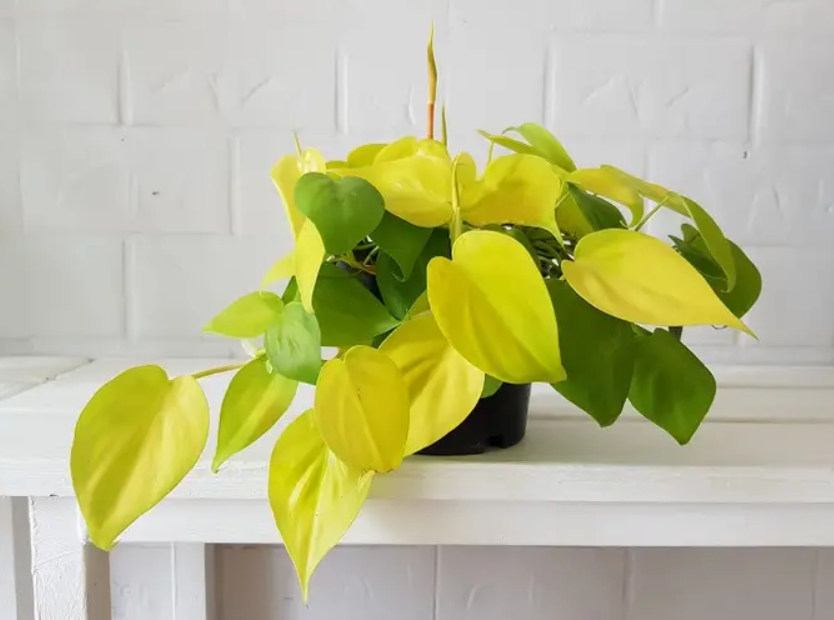
Visual Identification of Pale or Yellow Leaves
First, recognize what pale or yellowing leaves look like. Pale leaves tend to lose their rich green color, appearing dull, washed out, or yellowish. Sometimes, only parts of the leaf may turn yellow or pale, while other parts remain healthy. This discoloration can occur gradually or suddenly, depending on the underlying cause.
Common Causes of Pale Leaves
Several factors contribute to this issue, including:
- Overwatering or poor drainage, leading to root problems
- Inadequate lighting, especially low light conditions
- Nutritional deficiencies, particularly lack of nitrogen
- Pest or disease problems affecting plant health
- Environmental stressors such as temperature fluctuations or low humidity
Understanding these causes helps tailor the right fix for your plant.
🧪 Diagnosing the Exact Cause
How to Determine Why Your Philodendron’s Leaves Are Pale
Follow these straightforward steps to pinpoint the cause:
Cause 1: Insufficient Light – Pale leaves due to low light conditions
- Is your plant placed in a dark corner or behind heavy curtains?
- Does the plant appear leggy, with elongated stems trying to reach for light?
- Pale color is a common response to inadequate sunlight.
Cause 2: Overwatering or Poor Drainage – Root issues leading to leaf discoloration
- Are the pot’s drainage holes blocked or clogged?
- Is the soil consistently soggy?
- Overwatering can cause roots to rot, impairing nutrient uptake and causing leaves to pale or yellow.
Cause 3: Nutritional Deficiencies – Lack of essential nutrients like nitrogen
- Have you recently changed your fertilization routine?
- Are the leaves uniformly pale, or only new growth?
- Nitrogen deficiency is often reflected in pale, uniformly yellowed leaves.
How to tell which cause applies to your plant
- Observe your plant’s environment: Is it in a low-light area? If yes, insufficient light is likely.
- Check watering habits: Does the soil stay wet for days? Overwatering may be the culprit.
- Assess fertilization routine: Has it been a while since your last feeding? Pale leaves might indicate nutrient deficiency.
- Inspect roots: Gently remove the plant from its pot to examine roots for rot or damage (if comfortable doing so).
🌱 Treatment Solutions
Once you’ve diagnosed the cause, apply targeted remedies:
Increase Light Exposure
- Move your Philodendron to a brighter location with indirect sunlight, such as near a north or east-facing window.
- During darker months or if natural light is limited, consider using grow lights. A simple full-spectrum LED grow light can boost light levels effectively.
Adjust Watering and Improve Drainage
- Ensure your plant’s pot has adequate drainage holes.
- Water only when the top inch of soil feels dry.
- Use well-draining soil mix, such as peat-based or soil with perlite, to prevent water retention.
- Avoid letting the plant sit in excess water.
Replenish Nutrients
- Fertilize your Philodendron with a balanced, water-soluble fertilizer (e.g., 20-20-20) every 4-6 weeks during the growing season.
- During winter, reduce feeding frequency as growth slows.
- Consider natural options like compost tea or foliar feeding to provide quick nutrient absorption.
Natural Remedies and Supplements
- Foliar spraying with compost tea or diluted liquid fertilizer can give leaves a quick nutrient boost.
- In cases of suspected iron deficiency, use a chelated iron supplement.
Chemical Treatments (If Necessary)
- For specific deficiencies, such as iron, apply chelated iron solutions as directed.
- If pests are contributing to pale leaves, identify and treat with appropriate insecticides or natural remedies like neem oil.
🌸 Prevention Tips
Maintaining optimal conditions prevents future problems:
- Establish proper watering routines: Water only when necessary and ensure good drainage.
- Ensure adequate but not excessive light: Aim for bright, indirect sunlight.
- Regularly check for pests or diseases: Catch issues early before they affect leaf health.
- Feed periodically: Use balanced fertilizers during active growth months.
- Monitor environmental factors: Keep humidity around 60% and temperature between 65-80°F (18-27°C).
✨ Conclusion
Pale leaves on your Philodendron are a sign that something needs adjustment—be it light, water, nutrition, or environment. With proper diagnosis and care, you can restore its vibrant, lush foliage. Remember, plants are resilient and capable of recovery when provided with attentive and correct care. Don’t get discouraged; your green thumb just needs a little tuning! Start implementing the suggested tips today, watch your plant’s condition improve, and enjoy the gratifying journey of nurturing a healthy Philodendron.
❓ FAQ
Q: How long until I see improvement in my Philodendron's leaves?
A: Typically, you may notice signs of recovery within 2-4 weeks after correcting lighting, watering, and feeding issues. New growth should be healthier and more vibrant, while existing pale leaves may not return to full color but will likely stop worsening.
Q: Can my plant fully recover from pale leaves?
A: Yes, especially if the cause is addressed promptly. While existing leaves may not regain their original color, healthy growth and new leaves will be more vibrant, and overall plant vigor will improve.
Q: Should I prune the affected leaves for better recovery?
A: Pruning pale or yellowed leaves can help redirect the plant’s energy toward new healthy growth. Use clean, sharp scissors or pruning shears, and prune just above a node or leaf stem.
With patience and attentive care, your Philodendron can regain its lush, green beauty. Happy gardening!