Quick Summary: Leaf drop in your Snake Plant (Sansevieria) can be alarming, but with proper diagnosis and care, your plant can recover beautifully. This article guides you through identifying the causes, applying effective treatments, and preventing future issues, helping you restore your plant's health with confidence.
Introduction
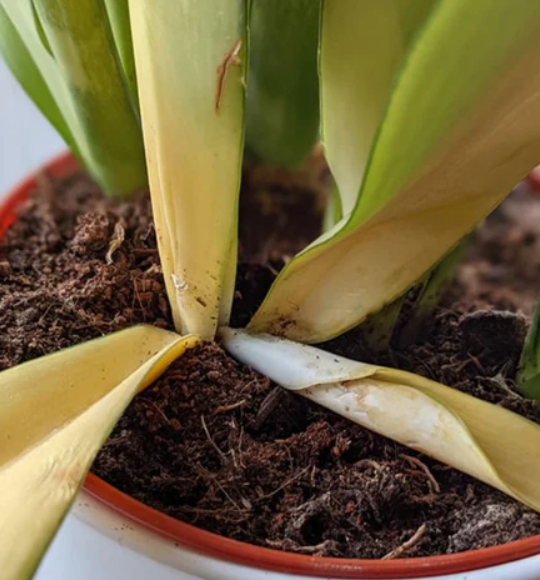
Noticing your Snake Plant’s leaves are dropping or looking unhealthy can be pretty concerning. After all, these resilient and low-maintenance plants are often regarded as almost indestructible—so when their leaves start to decline, it's natural to feel worried. Is your plant sick? Is it dying? Rest assured, leaf drop is a common issue that many plant parents face, and it’s usually fixable with some simple adjustments. In this guide, we’ll explore why your Snake Plant may be shedding leaves, how to diagnose the root cause, and practical, friendly solutions to help it bounce back. Whether it’s overwatering, too little light, pests, or environmental stress, we’ll cover everything step-by-step. With patience and care, you can nurture your Snake Plant to regain its lush, upright beauty. Let’s get started!
Section 1: Understanding the Problem
Visual identification of leaf drop and other symptoms
First, observe your Snake Plant. Are the leaves drooping, yellowing, browning at tips, or falling off completely? Leaf drop typically involves the leaves at the bottom or older leaves near the base loosening and falling away. Sometimes, you might notice:
- Yellowing or browning tips
- Soft or mushy leaves
- Leaves that feel limp or wilted
- Sparse appearance due to leaf loss These signs can suggest underlying issues that need addressing.
Common causes overview
Several factors may cause leaf drop:
- Overwatering — often leads to root rot, which weakens the plant.
- Underwatering — drought stress causes leaves to dry out and drop.
- Incorrect lighting — too much direct sun can scorch leaves, while too little light weakens the plant.
- Drafts or temperature fluctuations — sudden changes can stress your plant.
- Pest infestation or disease — pests like mealybugs or fungal issues may cause leaf loss. Understanding what’s going on is key to selecting the right remedy.
Section 2: Diagnosing the Exact Cause
Step-by-step process
Use this checklist to identify your Snake Plant’s specific problem:
Cause 1: Overwatering or poor drainage (leading to root rot)
- Symptoms: Soft, mushy, or black roots; yellowing leaves; odor from soil.
- How to confirm: Gently remove the plant from its pot and inspect the roots. Healthy roots are firm and white. Rotting roots are brown/black and slimy.
- Why it happens: Excess water suffocates roots, encouraging fungal growth and decay.
Cause 2: Underwatering or drought stress
- Symptoms: Wrinkled, dry, or crispy leaves, especially at the tips.
- How to confirm: Feel the soil; if it's bone dry several inches down, the plant needs water.
- Why it happens: The plant conserves moisture by shedding older leaves.
Cause 3: Improper lighting conditions
- Symptoms: Yellowing or scorched leaves in direct sunlight; weak or stretched plant in low light.
- How to confirm: Assess where your plant is placed. Is it exposed to direct sun? Is it in a dark corner?
- Why it happens: Too much direct sun can burn leaves; too little light hampers photosynthesis.
Additional signs for differentiation
- Soft, mushy leaves + foul smell = overwatering/root rot.
- Wrinkled, dry leaves + dry soil = underwatering.
- Yellow or scorched leaves + intense sunlight = light issues. Creating a mental checklist will help you pinpoint the exact cause of leaf drop.
Section 3: Treatment Solutions
Immediate actions (First 24-48 hours)
-
Inspect and adjust watering:
-
If soil is wet or you suspect overwatering, stop watering immediately.
- Allow soil to dry out completely before next watering.
-
Remove damaged leaves:
-
Carefully prune any brown or mushy leaves to prevent decay and encourage healthy growth.
-
Check drainage:
-
Ensure your pot has drainage holes; if not, consider repotting into a well-draining soil mix like cactus or succulent mix.
Long-term treatment
Cause 1: Overwatering or poor drainage
- Step 1: Repot your Snake Plant into dry, well-draining soil, such as a cactus or succulent mix.
- Step 2: Trim away any rotted roots with sterile scissors or pruning shears. Discard rotten material.
- Step 3: Allow the plant to recuperate in a warm, bright spot out of direct sun.
- Natural remedy: Use a diluted hydrogen peroxide solution (1 part peroxide to 4 parts water) to water the soil lightly—this can help eliminate fungal spores.
- Chemical options: Apply a fungicide labeled for soil fungi if root rot persists.
Cause 2: Underwatering
- Step 1: Water your Snake Plant thoroughly, ensuring excess water drains freely.
- Step 2: Establish a regular watering schedule—about once every 2-6 weeks, depending on humidity and season.
- Step 3: Keep the soil slightly moist but not soggy—allow the top inch to dry before watering again.
- Reminder: During winter, watering should be less frequent.
Cause 3: Improper lighting
- Step 1: Move your plant to a bright, indirect light location.
- Step 2: Avoid intense direct sunlight, which may scorch the leaves.
- Step 3: If natural light is limited, consider supplementing with a grow light.
Signs of recovery
Within a few weeks, the plant should stabilize, and new leaves may start to grow. Patience is key—a healthy Snake Plant typically shows signs of improvement within 4-8 weeks.
Section 4: Prevention Tips
- Monitor soil moisture: Check monthly and water only when the top inch of soil feels dry.
- Use proper containers: Ensuring your pot has drainage holes prevents water from pooling.
- Optimal light: Place your Snake Plant in bright, indirect light—an east or west-facing window is ideal.
- Temperature and humidity: Keep your plant in a steady environment—between 65°F and 85°F (18°C-29°C)—and avoid drafts or sudden temperature drops.
- Consistent care routine: Fertilize lightly during the growing season with a balanced houseplant fertilizer every 2-3 months. These proactive measures help your Snake Plant stay healthy and resilient, reducing the chance of future leaf drop.
Frequently Asked Questions
Q: How long until I see improvement after fixing watering issues?
A: You can typically notice stabilization within 2-4 weeks. New growth may appear in 6-8 weeks, depending on the severity of the problem and how well you follow care adjustments.
Q: Can leaf drop on a Snake Plant be caused by pests?
A: Yes. Pests like mealybugs or spider mites can weaken leaves, causing them to drop. Inspect your plant for tiny insects or webbing, and treat with neem oil or insecticidal soap if needed.
Q: Should I prune or remove the dropped leaves to help recovery?
A: Absolutely! Removing damaged or fallen leaves helps prevent disease and encourages new healthy growth. Use clean scissors and cut close to the base.
Conclusion
Key Takeaways:
- Proper diagnosis is essential: identify whether overwatering, underwatering, light issues, or pests are causing leaf drop.
- Act promptly with specific treatments: repot, adjust watering, improve lighting, or treat pests accordingly.
- Maintain healthy habits: avoid overwatering, provide the right light, and monitor environmental conditions.
- Remember, Snake Plants are hardy and resilient—your attentive care will help it recover and thrive again. Your Snake Plant is a tough little survivor, and with patience and care, it will regain its lush, upright beauty. Start with a gentle assessment of your plant’s needs today, and watch it bounce back!
Happy plant parenting! If you keep these tips in mind, your Snake Plant will thank you with beautiful, healthy leaves for years to come.