Are you worried about those yellowing leaves on your beloved Spider Plant? Don’t fret—it's a common issue that many indoor plant enthusiasts face. The good news is, with a little understanding and simple adjustments, you can help your Spider Plant bounce back to lush, vibrant health. In this guide, we’ll explore the main causes of yellow leaves, how to diagnose the problem accurately, and straightforward fixes to restore your plant’s vitality.
Understanding the Problem
Yellow leaves on your Spider Plant are often a sign that something in its environment or care routine isn’t quite right. Recognizing these visual cues and understanding what they might indicate are crucial first steps in fixing the issue effectively.
Visual Identification: Spotting Yellow, Fading, or Browning Leaves
Typically, yellow leaves will appear as pale, faded green or bright yellow patches. Sometimes, the tips or edges turn brown, or the entire leaf loses its vibrant green tone and becomes brittle. These symptoms can occur on older leaves or across the plant, indicating varying issues.
Common Causes Overview
- Overwatering: Waterlogged soil causes root rot, leading to yellowing leaves.
- Underwatering: Dry soil stresses the plant, resulting in yellow, drooping leaves.
- Improper Lighting: Too much direct sunlight burns leaves; insufficient light hampers chlorophyll production.
- Nutrient Deficiencies: Lack of essential nutrients like nitrogen can cause yellowing.
- Environmental Stress: Sudden changes in temperature, drafts, or low humidity can stress your plant.
Diagnosing the Exact Cause
Identifying what’s causing the yellow leaves in your specific situation involves careful observation and a few simple tests.
Cause 1: Overwatering — Leaves Turn Yellow Due to Root Rot and Waterlogged Soil
Symptoms: Soft, mushy roots, foul smell from the soil, and consistently wet soil. Yellowing leaves often appear when roots can't transport nutrients effectively.
Cause 2: Underwatering — Dry Soil Causes Stress and Yellowing
Symptoms: Soil feels dry weeks after watering, leaves may become dry at the tips initially, and the overall plant appears droopy.
Cause 3: Incorrect Lighting — Too Much Direct Sun or Insufficient Light Affects Leaf Color
Symptoms: Sunburned leaves with yellow patches or dull, pale leaves from lack of light.
How to Tell Which One It Is
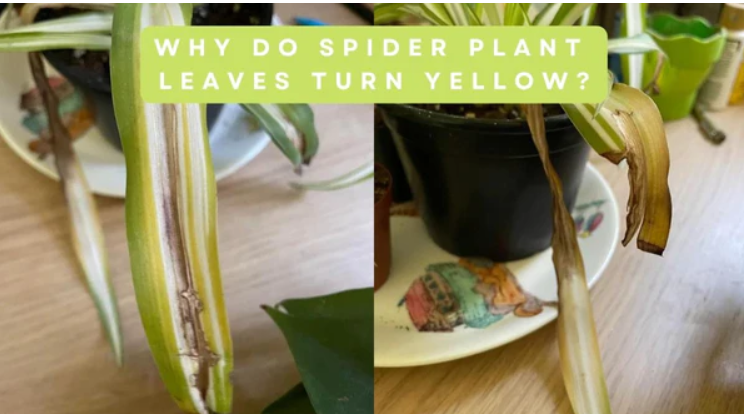
- Check soil moisture: Feel the soil; if it's soggy, overwatering is likely the culprit. If it’s dry, underwatering may be the cause.
- Review watering history: Have you been watering excessively or too sparingly?
- Assess light exposure: Is your plant receiving direct sunlight for hours daily? Or is it in a dim corner? By combining these observations, you'll better pinpoint the root cause and choose the right fix.
Treatment Solutions
Once you’ve diagnosed the cause, implementing targeted fixes can help your Spider Plant recover quickly.
Immediate Actions
- Reduce watering if the soil is soggy. Allow the top inch to dry out before watering again.
- Improve drainage by ensuring the pot has drainage holes and removing excess water after watering.
- Relocate the plant to a spot with ideal light—indirect bright light is best for Spider Plants.
Long-term Treatment
- Establish a consistent watering schedule: Water thoroughly when the topsoil feels dry but never let the soil stay waterlogged.
- Fertilize with balanced plant food: Use a diluted indoor plant fertilizer every 4-6 weeks during the growing season.
- Monitor environmental conditions: Maintain moderate humidity and consistent temperature, away from drafts or direct heat sources.
Recovery Expectations
With proper care, you’ll notice new healthy growth within a few weeks. Yellowed leaves may not turn green again, but pruning them can encourage the plant to produce more vibrant, healthy foliage.
Prevention Tips
Prevention is always better than cure. Keep your Spider Plant thriving by maintaining optimal conditions and routines.
Adjust Care Routine
- Water only when the top inch of soil is dry.
- Use balanced, water-soluble fertilizer every month during active growth.
- Avoid exposing the plant to harsh direct sunlight; filtered or indirect light is ideal.
Environmental Monitoring
- Keep the humidity moderate; mist occasionally if your home is very dry.
- Maintain a consistent temperature around 65-80°F (18-27°C).
- Position your plant away from cold drafts, heating vents, or sudden temperature changes.
Conclusion
Yellow leaves on your Spider Plant are a sign that something needs your attention—be it watering, lighting, or environmental conditions. The good news is, with a little detective work and practical adjustments, your plant can recover and regain its lush, vibrant appearance. Don't worry—every healthy plant has the potential to bounce back with proper care. Review your plant’s current situation, diagnose the cause of yellowing leaves, apply the appropriate fixes, and stick to good preventive practices. Your Spider Plant will thank you with beautiful, healthy growth!
FAQ
Q: How long until I see improvement after fixing watering practices?
A: Typically, you should start noticing healthier, greener growth within 2-4 weeks after adjusting your watering routine. Patience is key, as recovery depends on the severity of damage and the plant’s own healing rate.
Q: Can my Spider Plant fully recover from yellowing leaves?
A: Yes, most yellowing leaves won’t turn green again but can be pruned to encourage new, healthy growth. If the cause is corrected early, the plant can produce new leaves that are vibrant and lush.
Q: Should I prune the yellow leaves, or leave them to natural leaf drop?
A: It’s best to prune yellow or brown leaves to improve the plant’s appearance and redirect energy toward new growth. Use clean, sharp scissors and cut just above the base of the leaf stalk.
With attentive care and a little patience, your Spider Plant will thrive and flourish once again. Happy gardening!