Struggling with leaf drop in your Philodendron? You're not alone. Many plant enthusiasts, whether beginners or more experienced growers, find themselves worried when their beloved indoor plant starts shedding its leaves. But don’t worry—leaf drop is a common issue and often reversible with proper diagnosis and care. In this guide, we'll explore the main causes behind leaf drop, how to identify them, and practical solutions to help your Philodendron bounce back and thrive again.
Understanding the Problem
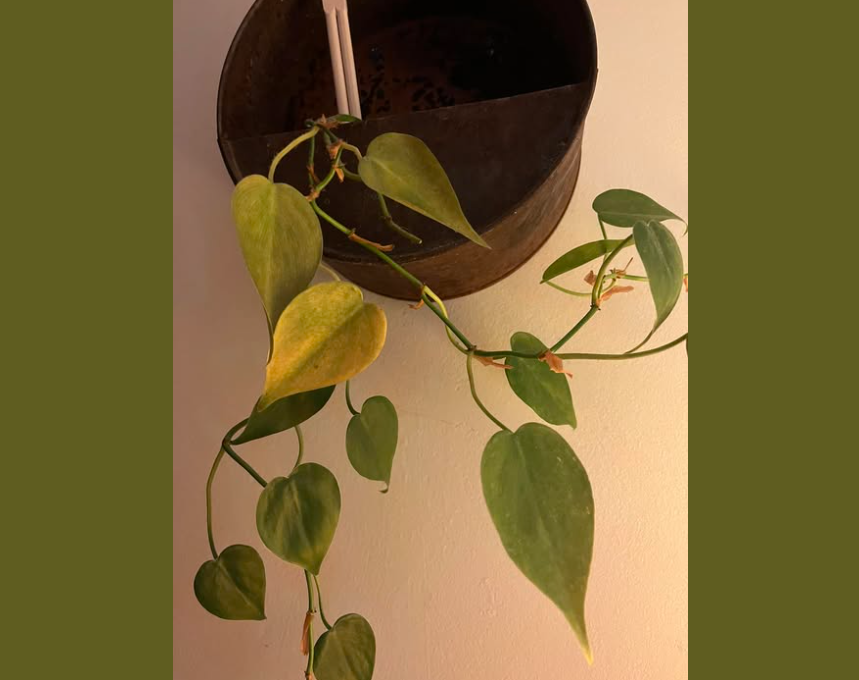
Visual identification of leaf drop—what to look for
Before jumping into solutions, it’s essential to understand what leaf drop looks like. Typically, you’ll notice:
- Older leaves turning yellow or brown before falling off
- Sudden or gradual shedding of large leaves
- Drooping, wilting, or curled leaves prior to dropping
- Overall thinning of the plant canopy Even a few fallen leaves every now and then can be normal, especially for mature plants, but consistent or excessive leaf drop signals an underlying issue needing attention.
Common causes overview—stress, watering, pests, and disease
Several factors can cause leaf drop in a Philodendron, including:
- Environmental stress: changes in light, temperature fluctuations, drafts
- Watering issues: overwatering or underwatering
- Pests and disease: infestations by spider mites, fungal infections, or bacterial diseases
- Natural aging: older leaves naturally fall as part of the plant’s lifecycle Understanding these causes helps you better diagnose and address the issue effectively.
Diagnosing the Exact Cause
Step-by-step process to pinpoint the reason for leaf drop
Accurate diagnosis involves observing your plant closely and checking specific signs. Here’s how to approach it:
Cause 1: Overwatering or Underwatering—check soil moisture and watering habits
- Inspect soil moisture: Insert your finger about an inch into the soil. If it feels excessively wet or soggy, overwatering is likely. If it’s bone dry, underwatering might be the culprit.
- Review watering schedule: Are you watering too frequently or too sparingly? Philodendrons prefer consistently moist but not waterlogged soil.
- Signs: Yellowing leaves, soft stems, or moldy smell indicate overwatering, while crispy or wilted leaves suggest underwatering.
Cause 2: Environmental stress—light levels, temperature fluctuations, drafts
- Assess lighting: Philodendrons thrive in bright, indirect light. Too little light can weaken the plant, causing leaf drop. Too intense direct sun can scorch leaves.
- Temperature stability: Keep the plant away from drafts, heaters, or air conditioning vents. Ideal temperature ranges are between 65–80°F (18–27°C).
- Humidity: Low humidity levels can lead to leaf curl and drop. Consider misting or placing a humidifier nearby.
Cause 3: Pests or disease—inspect for pests like spider mites or fungal infections
- Visual inspection: Examine undersides of leaves and stems for tiny pests, webbing, or discoloration.
- Signs of disease: Yellow spots, fuzzy patches, mold, or black spots can indicate fungal or bacterial infections.
- Use a magnifying glass if necessary, to spot small pests like spider mites or mealybugs.
How to distinguish causes through observation and simple tests
By combining your observations—soil moisture, light conditions, pest presence—you can identify the most probable cause of leaf drop and plan targeted treatment.
Treatment Solutions
Immediate actions: adjusting watering, improving humidity, or relocating the plant
- Water properly: Allow the top inch of soil to dry out before watering again. Water thoroughly, then empty excess water from the saucer.
- Improve environmental conditions: Move your plant closer to indirect light, away from drafts or temperature extremes.
- Increase humidity: Use a pebble tray, mist regularly, or place a humidifier nearby.
Pest control: using insecticidal soap or neem oil
- Identify pests: If found, spray the plant with insecticidal soap or neem oil, following label instructions.
- Repeat treatments: Usually, 1-2 applications at weekly intervals are necessary to eliminate pests.
Disease management: pruning affected areas, using fungicides if necessary
- Prune: Remove and dispose of any leaves or stems showing signs of disease to prevent spread.
- Use fungicides: Apply an appropriate fungicide if fungal infection is diagnosed to help the plant recover.
- Sterilize tools: Always disinfect pruning tools before and after use to prevent infections.
Supporting recovery with proper watering, lighting, and fertilization
- Maintain a consistent watering schedule.
- Provide bright, indirect light.
- Feed with a balanced houseplant fertilizer during the growing season (spring and summer).
Prevention Tips
Strategies to keep your Philodendron healthy and prevent leaf drop in the future
- Consistent care routine: Water when the top inch of soil feels dry, and fertilize every 4-6 weeks during active growing months.
- Monitor environmental factors: Ensure adequate light, stable temperatures, and maintain humidity.
- Regular inspection: Check for pests monthly and address early signs before they become serious issues.
- Proper potting and repotting: Use well-draining soil and repot when roots are crowded, typically every 1-2 years, to promote healthy growth.
Conclusion
Recap of key points: diagnose accurately, treat promptly, and adjust care routines
Dealing with leaf drop can be frustrating, but with careful observation and prompt action, your Philodendron can recover. Start by diagnosing whether watering, environmental stresses, pests, or disease are to blame. Address each cause systematically, and optimize your care routines to prevent future problems.
Encouragement
Remember, even when your plant sheds leaves, it’s often a sign of stress rather than permanent damage. With patience and consistent care, your Philodendron can bounce back stronger than before.
Next steps
Take a moment to assess your plant’s current condition, implement the suggested remedies, and continue regular, mindful care. With time, your indoor jungle will become lush and healthy once again!
FAQ
Q: How long until I see improvement after treatment?
A: Typically, you can expect to see signs of recovery within a few weeks after addressing the root cause. New healthy leaves should grow as the plant regains strength, but be patient as recovery times can vary depending on the severity of the issue.
Q: Will my Philodendron fully recover after leaf drop?
A: Yes, if the underlying problem is resolved, your Philodendron can produce new leaves and grow vigorously. However, some older leaves may not regrow, and consistent care is essential to maintain overall health.
Q: Should I prune the dropped leaves or any damaged parts?
A: Absolutely. Removing fallen, yellow, or damaged leaves encourages healthy new growth and helps prevent disease spread. Use clean, sharp scissors or pruning shears and dispose of plant debris promptly.
Taking good care of your Philodendron by understanding its needs and responding promptly to issues will ensure it stays healthy and beautiful, brightening your indoor space for years to come!