Learning how to fix Jade Plant leaf drop can feel puzzling, especially when you’re eager to see your little green friend thrive. Don’t worry—leaf shedding in Jade Plants is a common issue that often has simple, manageable causes. With a gentle, attentive approach, you can help your Jade regain its lush, vibrant appearance in no time.
In this article, we'll explore why your Jade Plant's leaves are dropping, how to identify the root cause, and practical steps to restore its health confidently. Remember, a bit of patience and care are all you need to bring your plant back to life!
Section 1: Understanding the Problem
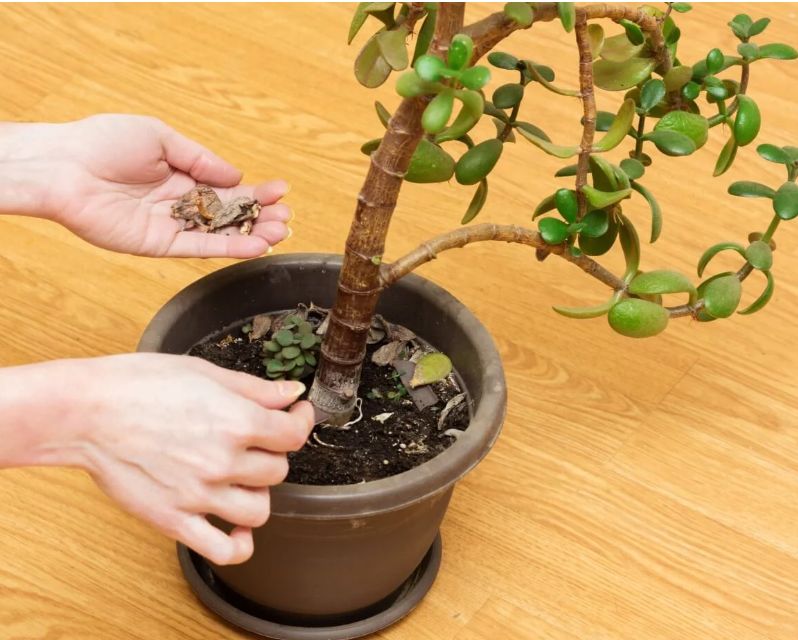
Visual identification of leaf drop and healthy leaf shedding
Your Jade Plant naturally sheds some older leaves over time—think of it as a normal part of its growth cycle. These older, sometimes yellowing leaves gradually fall off without concern. However, if you notice a sudden or excessive drop of healthy green leaves, it's a sign that something needs attention. Look for:
- Sudden leaf loss, especially of healthy, firm leaves
- Leaves turning yellow or brown before falling
- Wilted or limp appearance
- Clusters of fallen leaves beneath the plant
Common causes overview, including overwatering, underwatering, and environmental stress
Most cases of leaf drop are linked to care issues or environmental stresses, such as:
- Overwatering: Leading to root rot and poor nutrient uptake
- Underwatering: Causing dehydration and stress
- Environmental Stress: Fluctuating temperatures, low light, drafts
- Pests or disease: Sometimes a culprit, but less common Every cause has its clues and specific solutions, which we'll delve into next.
Section 2: Diagnosing the Exact Cause
Correct diagnosis is key to fixing your Jade Plant's leaf drop effectively. Follow these steps:
Cause 1: Overwatering leading to root rot and leaf stress
Signs include:
- Soft, brown or black roots when gently pulled from the soil
- Soil that remains soggy or has a sour smell
- Yellowing leaves that drop prematurely
Cause 2: Underwatering causing dehydration and leaf shedding
Look for:
- Wrinkled or shriveled leaves
- Dry soil feeling dry to the touch
- Leaves dropping in clusters, especially during hot, dry conditions
Cause 3: Environmental stress such as improper lighting or temperature fluctuations
Check:
- Insufficient light: leaves may turn pale or fall
- Too much direct sunlight: leaf scorch or stress
- Drafts or sudden temperature changes: leaves may wilt or drop
How to tell which cause applies to your plant, including diagnostic signs to observe
Take a moment to inspect your Jade:
- Feel the soil moisture: is it soggy or bone-dry?
- Examine root health: are roots white and firm or dark and mushy?
- Observe leaves: are they discolored, shriveled, or healthy?
- Note environmental conditions: light levels, drafts, temperature swings Matching these observations will guide you to the correct cause.
Section 3: Treatment Solutions
Once you’ve identified the cause, implement targeted fixes to help your Jade Plant bounce back:
Immediate actions: Adjust watering, improve drainage, and optimize lighting
- For overwatering:
- Remove the plant from soggy soil
- Let roots dry out and remove any rotted parts
- Repot in well-draining succulent soil
- For underwatering:
- Water thoroughly when the top inch of soil feels dry
- Ensure excess water drains freely
- For environmental stress:
- Move the plant to a brighter, indirect light spot
- Keep away from drafts or temperature extremes
Long-term treatment: Repotting if root rot is present, proper watering schedule, and adjusting environment
- Repot in a container with drainage holes
- Establish a consistent watering routine—usually every 2-3 weeks depending on climate
- Maintain stable temperatures between 65-80°F (18-27°C)
- Ensure adequate but not intense sunlight
Supporting recovery: Fertilization tips and preventing further leaf drop
- Feed with a balanced, succulent-specific fertilizer during active growth (spring and summer)
- Avoid fertilizing during dormancy or stress periods
- Keep monitoring moisture and environmental conditions regularly
Section 4: Prevention Tips
Prevention is better than cure! Incorporate these habits into your routine:
Monitoring watering habits and ensuring proper soil drainage
- Water only when the topsoil feels dry
- Use pots with drainage holes
- Use gritty, well-draining soil designed for succulents
Maintaining optimal light, temperature, and humidity levels
- Provide bright, indirect sunlight for at least 4-6 hours daily
- Keep temperatures stable, away from cold drafts or hot windows
- Avoid sudden changes in environment
Using preventive repotting and seasonally adjusting care
- Repot every 2-3 years, or when roots outgrow the pot
- Adjust watering frequency with the seasons—less in winter, more in summer
- Always observe your plant’s cues and adjust accordingly
Conclusion
Wrapping up, knowing how to fix Jade Plant leaf drop involves understanding its causes and applying the right care measures. By diagnosing whether your plant is overwatered, underwatered, or stressed by its environment, you can take targeted actions to restore its health. Remember: With patience, attention, and proper care, your Jade Plant can recover from leaf drop and flourish again. Start today—inspect your plant, identify the issue, and implement the corresponding solutions. Before you know it, you’ll be enjoying a lush, thriving Jade that adds beauty and tranquility to your space.
FAQ
Q: How long does it take for a Jade Plant to recover after leaf drop?
A: Recovery time varies depending on the cause and severity of stress. Typically, with proper care, new growth can appear within a few months. For minor leaf shedding, improvements can be seen within a few weeks.
Q: Can I prune the fallen leaves or damaged stems?
A: Yes, gently prune any fallen or damaged leaves and stems. Removing dead or unhealthy parts encourages healthy new growth and improves overall plant health.
Q: What are the best watering practices to prevent future leaf drop?
A: Water your Jade Plant thoroughly but infrequently—generally every 2-3 weeks—allowing the soil to dry out between waterings. Always use well-draining soil and pots with drainage holes to prevent soggy roots.
Your Jade Plant’s leaf drop is a sign to fine-tune your care routine. With proper diagnosis and gentle adjustments, your plant will regain its lush vibrancy. Happy gardening!