Quick Summary: If your beloved Monstera deliciosa is showing signs of yellowing, soft leaves, or an unpleasant smell, root rot might be the culprit. Fortunately, with prompt diagnosis and proper care, you can help your plant recover and thrive again.
Introduction
Noticing your Monstera deliciosa looks a bit off—perhaps its leaves are wilting, yellowing, or the plant seems sluggish—can be worrying. Root rot often develops quietly beneath the surface, sneaking up on even the most attentive plant parents. It’s understandable to feel anxious when your green friend isn't itself, but the good news is, root rot is a common issue that’s entirely treatable. In this article, we'll explore how to identify root rot, diagnose what's causing it, and most importantly, how to treat your plant effectively. Whether you’ve overwatered, have poor drainage, or other environmental stressors at play, I’ll guide you through natural remedies and proactive care solutions. Remember, with patience and proper adjustments, your Monstera can bounce back from root rot and regain its lush, vibrant health!
Section 1: Understanding the Problem
Root rot is a fungal disease caused by excess moisture lingering around your plant’s roots, leading to their decay. It’s a silent threat that’s easy to miss until visible symptoms appear on the foliage or when you repot.
Visual Identification of Root Rot Symptoms
- Yellowing or thumping leaves: Early signs of stress.
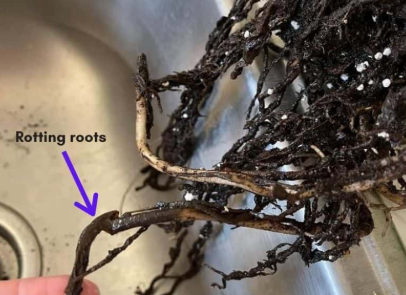
- Soft, blackened, or rotting roots: When you gently untangle your plant for inspection.
- Foul smell: A musty, rotten odor emanating from the soil.
- Plant decline: Wilting, stunted growth, or leaf drop despite proper light.
Common Causes: Overwatering and Poor Drainage
- Overwatering is the leading cause—watering too frequently or allowing the soil to stay soggy.
- Poor drainage due to heavy soil mixes or pots without holes causes water to pool around roots.
- Inconsistent watering habits, such as letting the soil stay wet for days or watering on a fixed schedule without checking moisture levels, also contribute. Understanding why these issues happen helps you prevent future problems. Root rot usually develops gradually, making early intervention critical to save your plant.
Section 2: Diagnosing the Exact Cause
A precise diagnosis involves inspecting the roots and assessing environmental factors.
Cause 1: Overwatering
- Symptoms: Persistent wet soil, soft roots, and yellowing leaves.
- How to confirm: Gently remove your Monstera from its pot; if roots are soggy and smell rotten, overwatering is likely.
Cause 2: Poor Drainage
- Symptoms: Water sits in the soil after watering, roots are waterlogged, and pot lacks drainage holes.
- How to confirm: Check soil moisture after watering; if water remains stagnant, drainage is insufficient.
Cause 3: Low Light or Environmental Stress
- Symptoms: Roots struggle to absorb water properly, causing unusual moisture retention or drought stress signs.
- How to confirm: Assess the plant’s light exposure—Monsteras thrive in bright, indirect light.
How to Tell Which Cause Applies to Your Plant
Step 1: Carefully remove the plant and inspect the roots. Healthy roots are white and firm; decayed ones are black and mushy. Step 2: Review your watering schedule—do you water too often? Does your pot have drainage holes? Step 3: Assess the environment—does your plant receive sufficient light? Are temperatures stable? Use this information to identify whether overwatering, poor drainage, or environmental stress is behind your plant’s root rot.
Section 3: Treatment Solutions
Act quickly—early intervention can save your Monstera from permanent damage.
Immediate Actions (First 24-48 Hours):
- Remove your Monstera from its pot: Carefully extract the plant, supporting the root ball.
- Inspect and trim: Identify black, mushy roots; using sterilized scissors or pruning shears, cut away all decayed roots.
- Disinfect: Soak the remaining healthy roots in a solution of hydrogen peroxide (diluted 1:3 with water) to disinfect and prevent fungal spread.
- Clean the pot: Wash it with soap and disinfectant if reusing. Alternatively, opt for a new pot with drainage holes.
- Use a fungicide: Apply an organic fungicide (like neem oil) or a commercial one designed for root rot to the roots before repotting.
Repotting Your Monstera:
- Use fresh, well-draining soil: Aroid mix with perlite, charcoal, and peat works well.
- Ensure proper drainage: A pot with drainage holes is critical to prevent water pooling.
- Position the plant correctly: Place it at the same height as before, but avoid burying roots too deep.
Adjust Watering Habits:
- Water only when the top inch of soil feels dry.
- Reduce frequency, especially during cooler months.
- Always empty excess water from drainage trays.
Long-term Treatment Plan:
- Keep humidity moderate—not too high or low.
- Avoid direct sun until the plant recovers.
- Monitor soil moisture regularly.
- During recovery, be patient; it may take a few weeks to see improvements.
Warning Signs Treatment Isn’t Working:
- No improvement after 2-3 weeks.
- Roots continue to decay despite care.
- Appearance of new symptoms like leaf browning or wilting. If issues persist, reassess environmental conditions or consult with a plant specialist.
Section 4: Prevention Tips
Prevention is far easier than cure. Here are practical tips to keep your Monstera deliciosa healthy and root rot-free:
- Use well-draining soil: Opt for mixes designed for aroids, containing perlite, charcoal, or orchid bark. This encourages proper airflow and excess water drainage.
- Ensure your pot has drainage holes: Never leave your plant sitting in water.
- Create a consistent watering schedule: Check moisture levels before watering—stick to a routine that allows soil to dry out between watering.
- Maintain proper humidity: Average room humidity (40-60%) is ideal; avoid overly damp environments.
- Regularly inspect roots: During repotting or when symptoms appear, check roots promptly to catch problems early.
- Avoid overwatering: Remember, more water does not mean healthier; it can harm your plant. Implementing these habits will help prevent future root rot episodes and promote a vibrant, lush Monstera.
Frequently Asked Questions
Q: How long until I see improvement after treatment?
A: Typically, you should notice some signs of recovery within 2-4 weeks—new, healthy roots may start forming, and leaves might regain their vitality.
Q: Can my Monstera recover fully from root rot?
A: Yes, if the damage isn’t too severe and you follow proper care and treatment, your plant can recover fully. In some cases, it may take time and patience.
Q: Should I prune all blackened roots or just the decayed parts?
A: Always prune only the decayed, mushy roots. Leave healthy, firm roots intact to support your plant’s recovery.
Conclusion
Key Takeaways:
- Root rot in Monstera deliciosa is caused mainly by overwatering, poor drainage, and environmental stress.
- Early detection and prompt treatment—removing decayed roots, disinfecting, and repotting into well-draining soil—are critical.
- Preventative care, including proper watering, soil choice, and regular inspections, keeps root rot at bay.
- With patience, your Monstera can bounce back, grow healthy roots, and reward you with its iconic, lush foliage. Remember, caring for your plant is a journey. By implementing these tips and staying attentive, you’ll ensure your Monstera remains a thriving centerpiece in your home for years to come. Start today by inspecting your plant’s roots—your leafy friend will thank you!