Struggling with aphids on your Calathea? These tiny pests can be a common headache for indoor plant enthusiasts, but don't worry—you're not alone, and there are effective ways to tackle the problem. Whether you're a beginner or an experienced plant parent, understanding how to get rid of aphids on Calathea is crucial for maintaining your plant's health and beauty. In this comprehensive guide, we'll walk you through identifying aphids, diagnosing the root causes, treating infestations, and implementing preventive measures. With patience and proper care, your Calathea can recover and thrive once again.
Section 1: Understanding the Problem
Visual identification of aphids on Calathea
Aphids are tiny, soft-bodied insects that tend to cluster on the undersides of leaves, stems, or new growth. They come in various colors, including green, black, brown, and sometimes even pink or yellow. When you observe your Calathea, look for:
- Sticky residue (honeydew) on leaves
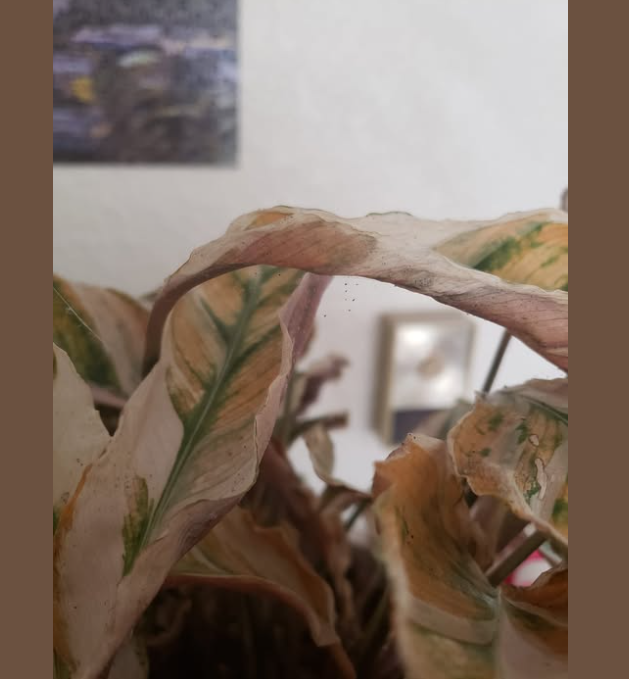
- Deformed or curled leaves
- Presence of small insects crawling or stationary
- Black sooty mold growing on leaves due to honeydew accumulation
Common causes of aphid infestation indoors
Indoor plants like Calathea are particularly vulnerable to aphids because of factors such as:
- Overwatering or excess humidity creating a favorable environment
- Lack of airflow, which encourages pest buildup
- Introduction of infested new plants or cuttings
- Over-fertilization, leading to soft, lush growth that attracts pests Understanding these causes helps in both treatment and prevention efforts.
Section 2: Diagnosing the Exact Cause
Step-by-step process to confirm aphids as the culprit
- Inspect your Calathea thoroughly: Look for clusters of tiny insects, especially on new or tender leaves.
- Differentiate from other pests: Spider mites, mealybugs, and scale insects can look similar. Aphids are usually soft-bodied, move slowly, and are often green or black.
- Check for honeydew and sooty mold: These are signs of aphid activity.
Subsections: Causes of infestation
-
Cause 1: Aphid infestation—tiny, soft-bodied pests often green, black, or brown These are the most direct evidence. They reproduce rapidly, so early detection is key.
-
Cause 2: Environmental factors—overwatering, poor airflow, or excessive humidity Such conditions weaken the plant's defenses, making it more susceptible.
-
Cause 3: Presence of nearby infested plants Aphids can easily migrate from neighboring plants, so check other houseplants.
How to tell which cause applies to your Calathea
Evaluate your plant's environment and care routine. If you notice overwatering or poor airflow, adjusting these factors can help prevent future infestations.
Section 3: Treatment Solutions
Effective methods to eliminate aphids from your Calathea
Immediate actions: Remove pests manually, spray with insecticidal soap or neem oil
- Manual removal: Use a soft brush or your fingers to gently remove visible aphids.
- Spray with insecticidal soap or neem oil: Dilute according to product instructions and thoroughly spray the undersides of leaves and stems. Repeat every few days until pests are gone.
Natural remedies: Use water sprays, beneficial insects, or homemade solutions
- Water spray: A strong jet of water can dislodge aphids. Do this regularly to keep pests at bay.
- Beneficial insects: If you have other indoor plants and access to ladybugs or lacewings, they can naturally control aphid populations indoors.
- Homemade solutions: Mix a few drops of dish soap with water and spray on affected areas. The soap breaks down the pests' outer shell.
Chemical options: Applying insecticidal sprays safe for indoor plants
- Use products labeled safe for indoor use, such as insecticidal soaps or neem oil, and follow the instructions carefully to prevent damage.
Long-term care: Regular inspection, pruning affected leaves, and maintaining plant health
- Regularly check your Calathea for early signs of pests.
- Prune heavily infested leaves to prevent the spread.
- Maintain optimal watering, humidity, and airflow to keep your plant resilient.
What to expect during recovery
Initially, you may see a decline in aphid numbers within a few days. New growth should appear healthy, and with consistent care, your Calathea will regain its vibrancy.
Section 4: Prevention Tips
Maintain a pest-free Calathea by adopting routine care
Regular inspection and early detection
- Check your plant weekly, especially the undersides of leaves and new growth.
Proper watering and humidity management
- Water only when the top inch of soil feels dry.
- Keep humidity levels steady but avoid excessive moisture that encourages pests.
Ensuring good airflow and avoiding overcrowding
- Space your plants adequately to promote air circulation.
- Use a fan or open windows periodically if indoors.
Quarantining new plants before introducing them nearby
- Isolate new or recently purchased plants for at least two weeks.
- Inspect for pests before integrating with your existing collection.
Conclusion
Recap of key identification, treatment, and prevention methods for aphids on Calathea
In summary, identifying aphids involves observing tiny, soft-bodied insects, honeydew, and mold on your Calathea. Early diagnosis allows for effective treatment, such as manual removal, insecticidal soaps, or neem oil. Long-term prevention centers around maintaining healthy growing conditions, inspecting regularly, and quarantining new plants.
Encouragement
Remember, dealing with pests is a common part of plant care. With patience, consistent effort, and the right approach, you can eliminate aphids and restore your Calathea’s beauty.
Next steps
Start by manually removing visible aphids and applying natural remedies like insecticidal soap. Adjust your watering and airflow routines, and continue monitoring your plant. Soon, your Calathea will be pest-free and thriving again!
FAQ
Q: How long until I see improvement after treatment?
A: Typically, you should notice a decrease in aphid numbers within 3 to 7 days of treatment. Continue your treatment routine and monitor your plant closely. Persistent infestations may require repeated applications.
Q: Can my Calathea fully recover from aphid damage?
A: Yes, with prompt and consistent treatment, most Calatheas can recover from aphid damage. New growth should be healthy, and affected leaves can be pruned if severely damaged.
Q: Should I prune heavily infested leaves?
A: Yes, removing heavily infested or damaged leaves helps prevent the spread of pests and encourages healthy new growth. Use clean, sharp scissors or pruning shears and dispose of the cuttings properly.
By following these tips and maintaining diligent care, you'll keep your Calathea healthy and free from aphids. Happy gardening!