Quick Summary: Curling leaves on your Monstera deliciosa can be concerning, but most causes are easily fixable with simple adjustments. By understanding the underlying reasons—like watering issues or low humidity—you can help your plant recover beautifully.
Introduction
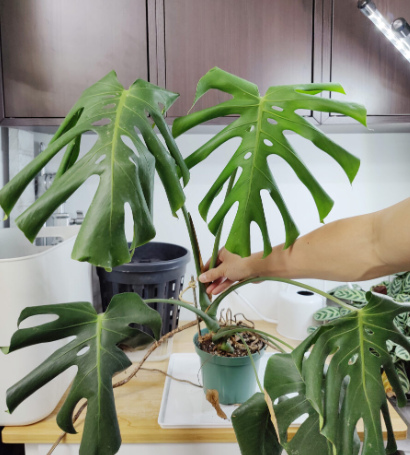
Noticing your Monstera deliciosa’s leaves curling can be worrying. As a plant parent, you’ve likely invested time, love, and care into creating a lush, healthy environment for your green friend. When those vibrant, glossy leaves start to curl or look distressed, it’s natural to feel anxious. But don’t worry—leaf curling is often a sign that your plant is experiencing some stress or environmental imbalance that you can correct. The good news is that most issues causing curling leaves are fixable with some attention and adjustments. In this guide, we’ll explore why your Monstera’s leaves might be curling, how to accurately diagnose the cause, and practical steps to bring your plant back to optimal health. Whether it’s watering, humidity, or light, you’ll find clear, friendly advice to help your beloved plant thrive again.
Section 1: Understanding the Problem
Visual Identification: How Curling Leaves Appear
When your Monstera’s leaves start to curl, they might do so in different ways. Some common signs include:
- Edges curling upward or downward: The leaf margins may appear rolled inward or outward.
- Discoloration and wilting: Curling may be accompanied by yellowing, browning, or a soft, limp texture.
- Brittle or dry tips: In cases of drought stress, leaf edges may become dry and crispy.
Common Causes Overview
Several factors can trigger curling leaves in your Monstera. The main culprits include:
- Overwatering or underwatering
- Low humidity, especially during winter or in dry climates
- Heat stress from too much direct sunlight or proximity to heat sources
- Nutrient deficiencies, particularly lacking magnesium or calcium
- Pest infestations, like spider mites or thrips Recognizing the precise look and context helps narrow down the cause so you can treat your plant more effectively.
Section 2: Diagnosing the Exact Cause
A Step-by-Step Process to Identify the Issue
Cause 1: Underwatering
- Symptoms: Leaves curl inward, appear dry, and feel brittle; soil is dry several inches below surface.
- How to Confirm: Check soil moisture — insert your finger about 2 inches into the soil. If it feels dry, your plant needs watering.
- Why it Happens: Monstera prefers consistently moist but not soggy soil. During hot weather or if the potting mix drains too quickly, it can dry out.
Cause 2: Overwatering
- Symptoms: Leaves curl downward, become soft or yellow, and the soil feels soggy.
- How to Confirm: Feel the soil — if it’s wet and waterlogged, your plant may be suffering from root rot.
- Why it Happens: Excess watering suffocates the roots, leading to stress signs like curling leaves. This often occurs if the pot doesn’t drain well.
Cause 3: Low Humidity
- Symptoms: Leaf edges curl or crimp, especially in dry indoor environments or heated rooms.
- How to Confirm: Measure indoor humidity — ideally, it should be above 50%. Use a hygrometer for accuracy.
- Why it Happens: Monstera thrives in humid conditions. In dry air, leaves lose moisture faster, causing curling to conserve water.
How to tell which cause it is:
- Compare soil moisture — dry soil suggests underwatering; wet soil indicates overwatering.
- Observe environment — low humidity readings point to dry air as the cause.
-
Check for additional signs — yellowing suggests overwatering; crispy edges point to dry air or underwatering. A quick checklist:
-
[ ] Is the soil dry or waterlogged?
- [ ] Are the leaves curling upward or downward?
- [ ] Is the indoor air dry (below 50%)?
- [ ] Are there any signs of pests?
Section 3: Treatment Solutions
Immediate Actions (First 24-48 Hours):
-
Adjust Watering:
-
If soil is dry, water your Monstera thoroughly until excess drains.
- If soil is soggy, hold back on watering, drain excess water, and let the top inch dry out.
-
Increase Humidity:
-
Use a humidifier in the room.
- Place your pot on a tray filled with water and pebbles—make sure the pot bottom isn’t submerged directly in water.
- Mist leaves regularly, especially in winter.
-
Move Away From Heat or Drafts:
-
Keep your Monstera away from direct sunlight, heat vents, or cold drafts—they stress the plant and exacerbate curling.
Long-Term Treatment Plan:
- Establish a Consistent Watering Routine:
- Water only when the top inch of soil feels dry.
- Use room temperature water to avoid shock.
- During active growth (spring and summer), watering may be weekly; reduce watering in winter.
- Provide Proper Lighting:
- Bright, indirect light suits Monstera best.
- Avoid direct sun, which can cause heat stress.
- Fertilize Appropriately:
- Feed monthly with a balanced, water-soluble fertilizer during growing seasons.
- Maintain Humidity:
- Keep humidity levels above 50% for optimal leaf health.
- Monitor Soil and Root Health:
- Ensure the pot has drainage holes.
- Repot if roots are rotting or soil has become compacted.
Recovery Expectations:
Once environmental conditions are corrected, your Monstera’s curled leaves should start to normalize within days to weeks. New growth should appear healthy, and stressed leaves may slowly uncurl or fade away.
Section 4: Prevention Tips
- Create a consistent watering schedule: Water only when the top inch of soil feels dry.
- Provide ample bright, indirect light: Avoid harsh direct sun, which can cause heat stress.
- Monitor and maintain humidity: Use humidifiers or pebble trays, especially during winter.
- Use well-draining soil and pots with drainage holes: Prevent waterlogging and root rot.
- Fertilize during active growing seasons: Every 4-6 weeks with a balanced plant food.
- Regularly inspect your plant: Look for pests or signs of stress and address promptly. By establishing solid routines and environmental conditions, you’ll help your Monstera stay lush, vibrant, and free of curling leaves.
Frequently Asked Questions
Q: How long until I see improvement after fixing watering issues?
A: Typically, you can notice leaves starting to uncurl and regain vitality within a few days to a week after adjusting watering and humidity. Full recovery of stressed leaves might take a few weeks.
Q: Can my Monstera fully recover from leaf curling?
A: Yes, as long as the cause is identified and corrected early, most curling leaves can recover and often be replaced by healthy new growth.
Q: Should I prune curled or damaged leaves?
A: While it’s helpful to remove severely damaged or dying leaves to encourage healthy growth, don’t prune healthy curling leaves unless they’re clearly beyond recovery. Focus on improving environmental conditions first.
Conclusion
Key Takeaways:
- Curling leaves in your Monstera deliciosa are usually signs of watering issues, low humidity, or environmental stress.
- Accurate diagnosis involves checking soil moisture, humidity levels, and environmental factors.
- Immediate fixes include watering adjustments, increasing humidity, and relocating the plant away from heat sources.
- Establishing consistent care routines and monitoring environmental factors helps prevent future curling.
- With patience and attentive care, your Monstera can bounce back to lush, vibrant health. Remember, your plant’s health depends largely on your consistent love and care. Start by examining your plant’s environment today, implement the suggested changes, and watch your Monstera flourish once again!