Struggling with your Aloe Vera looking taller and spindlier than usual? You're not alone, and the good news is—it’s a common issue that can be easily fixed!
In this guide, we'll explore why Aloe Vera develops leggy growth, how to diagnose the underlying causes, and simple, actionable steps to help your plant regain its compact, healthy appearance.
With some adjustments and proper care, your Aloe Vera can thrive again—no need to worry!
Understanding the Problem
Visual Identification of Leggy Aloe Vera
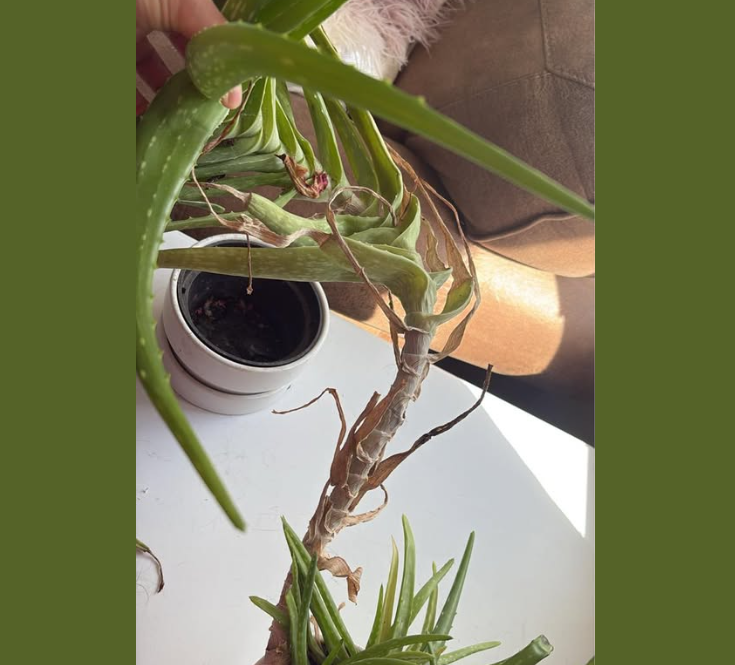
If your Aloe Vera has elongated, thin stems with sparse or small leaves, it's showing classic signs of leggy growth. The plant may seem stretched out, with the central part appearing taller than the root system, giving it a floppy or fragile look.
Common Causes Overview
The most common reason for Aloe Vera developing leggy growth is insufficient light. When the plant doesn't receive enough sunlight, it stretches in search of brighter conditions. Other factors include excessive distance from the light source, overwatering, and using poor soil that hampers healthy roots.
Recognizing the symptoms early helps you take targeted action to restore your Aloe Vera’s natural, bushy shape.
Diagnosing the Exact Cause
Follow These Steps to Determine What's Causing Your Aloe Vera's Leggy Growth:
Cause 1: Insufficient Light
Aloe Vera thrives in bright, direct sunlight or under strong grow lights. If kept in dim environments, it will stretch towards the available light, resulting in leggy, weak stems.
Cause 2: Excessive Distance from Light Source
Even if your plant is near a window, if it’s too far from the light or if obstructions block sunlight, it can cause stretching.
Cause 3: Overwatering or Poor Soil
Overwatering can weaken roots and affect overall plant health, making stems leggy. Likewise, soil that retains too much moisture prevents proper root aeration, stressing the plant.
How to Tell Which Cause is Affecting Your Plant:
- Look at the plant’s position: Is it far from windows or light sources?
- Check the soil: Is it soggy or overly wet?
- Observe stem length and leaf density: Long, thin stems with minimal leaf coverage point towards inadequate light.
Treatment Solutions
Immediate Actions
- Relocate your Aloe Vera to a brighter spot. Aim for at least 4-6 hours of direct sunlight daily. A south-facing window is ideal.
- Ensure it’s close enough to the light source so the plant can get sufficient illumination.
Long-Term Plan
- Enhance lighting conditions by installing grow lights if natural sunlight is limited. Use fluorescent or LED grow lights designed for succulents.
- Adjust watering frequency: Water only when the top inch of soil feels dry to prevent overwatering.
- Repot in well-draining succulent soil to give roots proper aeration and prevent water retention.
- Prune leggy stems: Cut back stretched stems just above a healthy leaf node to encourage bushier growth.
Recovery Expectations
With consistent care, you should notice new, sturdier growth within several weeks. The plant will begin to fill in and regain a more compact shape over time.
Prevention Tips
Keeping your Aloe Vera healthy and compact involves creating optimal growing conditions:
- Provide adequate light: Natural or artificial—aim for bright, direct sunlight or high-quality grow lights.
- Use well-draining soil: Succulent or cactus mix works best to prevent waterlogging.
- Avoid overwatering: Water deeply but infrequently, and ensure the pot has drainage holes.
- Maintain suitable temperatures and humidity: Aloe Vera prefers temperatures between 59–77°F (15–25°C) and low humidity.
- Regular pruning and care: Remove dead or leggy stems and keep the plant stress-free.
Conclusion
Leggy Aloe Vera is often a sign of too little light, but with proper adjustments, you can restore its health and natural shape.
Don’t be discouraged—your plant can bounce back with some simple care changes!
Reassess your lighting conditions today and implement the recommended solutions for a healthier, more vigorous Aloe Vera.
FAQ
Q: How long until I see improvement after moving my Aloe Vera?
A: Typically, you should notice new, stronger growth within 3 to 6 weeks, depending on growing conditions. Consistency is key; ensure your plant receives adequate light, proper watering, and proper soil during this period.
Q: Can I prune leggy stems to promote bushier growth?
A: Absolutely! Pruning helps redirect energy to the remaining healthy parts of the plant and encourages the growth of new, compact stems. Use clean, sharp scissors or pruning shears, and cut just above a leaf node for best results.
Q: Is natural sunlight better than grow lights for Aloe Vera?
A: Natural sunlight is generally preferable because it provides the full spectrum of light the plant needs. However, grow lights are an excellent alternative if natural light is insufficient or inconsistent. Make sure to choose grow lights specifically designed for succulents and place them at an appropriate distance.
Remember, every Aloe Vera is resilient and adaptable. With attentive care and the right environment, your plant will regain its lush, compact beauty. Happy gardening!