Discover the common reasons behind soft Aloe Vera leaves and learn effective solutions to restore plant health with simple care tips.
Introduction
Noticing your Aloe Vera's leaves becoming soft and limp can be quite unsettling. As a plant enthusiast, you want your Aloe Vera to stay healthy and vibrant, so when its leaves start to sag or feel waterlogged, concern sets in. But don’t worry—this is a common issue that many plant parents encounter, and with some attention and proper care, you can help your Aloe Vera bounce back. In this article, we will explore why is my Aloe Vera having soft leaves, how to diagnose the underlying cause, and most importantly, how to take targeted actions to restore your plant's health. Whether you're a beginner or intermediate plant lover, understanding these basics can make a big difference in maintaining a thriving Aloe Vera. Remember: Many soft-leaf issues are reversible. Patience and attentive care will give your Aloe Vera the best chance to recover and flourish once again.
Section 1: Understanding the Problem
Visual identification of soft, limp, or waterlogged leaves
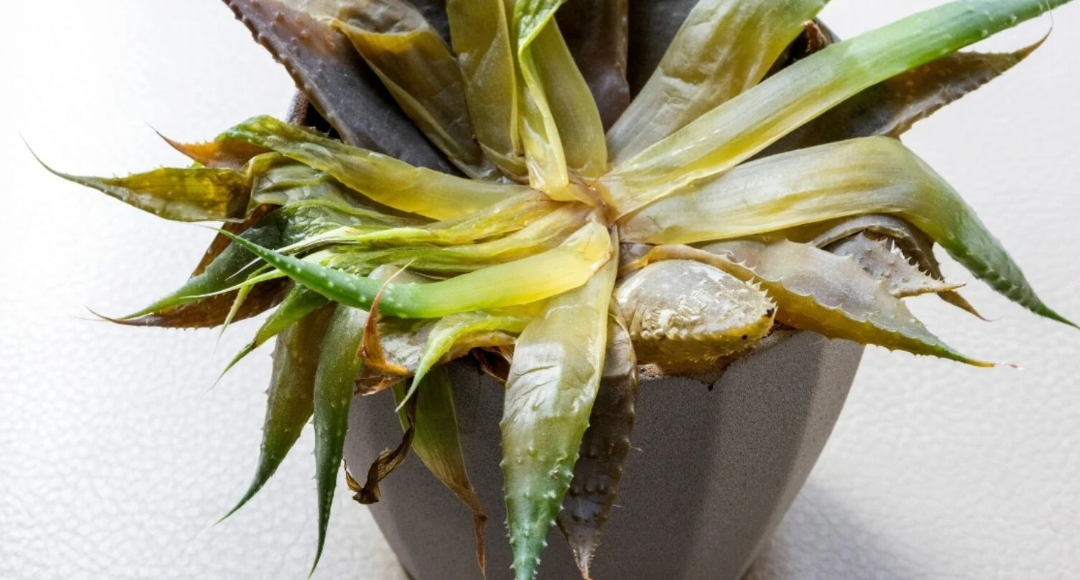
Soft Aloe Vera leaves typically feel almost mushy or waterlogged to the touch, often hanging limply downward rather than standing upright. The leaves may appear swollen, discolored, or translucent—signs that something isn't quite right. Healthy Aloe Vera leaves are firm, thick, and have a succulent appearance.
Overview of common causes, including overwatering, root issues, or environmental stress
The primary reasons behind soft leaves in Aloe Vera include:
- Overwatering leading to root rot and waterlogged tissue
- Insufficient watering, causing dehydration
- Environmental stress, such as inadequate lighting, temperature fluctuations, or low humidity Understanding these causes helps you determine the nature of your plant's problem and develop an effective care plan.
Section 2: Diagnosing the Exact Cause
Follow these steps to pinpoint the reason for your Aloe Vera's soft leaves
Cause 1: Overwatering leading to root rot and waterlogged tissue
Overwatering is the most common reason Aloe Vera leaves become soft. Excess water can suffocate roots, causing rot that prevents the plant from absorbing nutrients properly. When roots decay, the plant can't sustain its leaves, leading to limp, soft leaves.
Cause 2: Insufficient watering causing dehydration
Conversely, if a plant isn't watered enough, it can become dehydrated, making the leaves feel shriveled, soft, or limp due to lack of internal moisture.
Cause 3: Environmental stress such as low light or temperature fluctuations
Poor lighting conditions or sudden temperature changes stress the plant, impacting its ability to retain turgidity. Too little light can also cause the plant to weaken, reflected in softer leaves.
How to tell which cause applies to your plant
- Check the soil: Is it soggy or waterlogged? If yes, overwatering is likely.
- Inspect the roots: Gently remove the plant from its pot and look for black, mushy roots—signs of root rot.
- Assess watering history: Have you been watering too frequently or not enough?
- Observe environmental conditions: Is your plant getting enough sunlight? Are temperatures stable?
- Feel the leaves: Are they mushy or shriveled? Mushy suggests overwatering; shrunken and soft may suggest dehydration.
Section 3: Treatment Solutions
Address each identified cause with targeted actions
Immediate actions like adjusting watering habits and inspecting roots
- Stop watering immediately if the soil is waterlogged.
- Remove the plant from its pot to inspect roots; cut away any black, rotted roots using sterile scissors.
- Let the plant dry out in a well-ventilated space for 1-2 days before repotting.
Long-term treatment plans such as repotting, pruning damaged tissue, and improving growing conditions
- Repot in well-draining soil: Use cactus or succulent mix that drains quickly.
- Prune damaged leaves: Cut off any mushy or severely damaged leaves to prevent decay and promote healthy new growth.
- Adjust watering schedule: Water only when the top inch of soil feels dry, typically every 2-3 weeks.
- Ensure adequate light: Place your Aloe Vera in a spot with bright, indirect sunlight—at least 6 hours daily.
- Maintain proper temperature: Aloe Vera prefers temperatures between 55°F and 80°F (13°C-27°C).
What to expect during the recovery process
- Some leaves may recover fully if treated early.
- New, firm leaves should start to grow after a few weeks.
- Persistent issues might require ongoing attention, but patience is key.
Section 4: Prevention Tips
Establishing proper watering routines and drainage
- Water only when the soil is completely dry.
- Use pots with drainage holes to prevent excess water retention.
- Avoid catching water in the center of the plant; ensure excess water can escape freely.
Monitoring environmental conditions—light, temperature, humidity
- Place your Aloe Vera where it gets plenty of bright, indirect sunlight.
- Keep indoor temperatures steady; avoid drafts or sudden temperature drops.
- Maintain low humidity levels, especially in indoor environments, to prevent excess moisture buildup.
Regular inspections and early intervention
- Check your plant regularly for signs of overwatering or dehydration.
- Address minor issues immediately to prevent them from escalating.
- Rotate the plant periodically for even light exposure.
Conclusion
Recognizing why is my Aloe Vera having soft leaves and taking timely, targeted action can transform a stressed or struggling plant into a vibrant, healthy one. By understanding the causes—whether overwatering, dehydration, or environmental stress—you’re better equipped to implement the right care strategies. Don’t be discouraged—with patience, consistent care, and some gentle pruning or adjustments, your Aloe Vera can recover and continue to brighten up your space. Start by diagnosing your plant today, adjust your watering routine, and provide the optimal environment. Your plant’s health is within your control!
FAQ
Q: How long until I see improvement after changing my care routine?
A: Typically, you can expect to see signs of recovery within 2 to 4 weeks. New, firm leaves may begin to emerge, and existing soft leaves may gradually firm up as the plant regenerates. Patience and consistent care are essential.
Q: Can I save my Aloe Vera if the leaves are very soft and mushy?
A: If the leaves are severely mushy, it indicates advanced rot or dehydration. Remove all damaged leaves and inspect the roots. If the roots are healthy enough, the plant can often recover with proper watering and environmental adjustments. In some cases, if rot has spread extensively, propagation from offsets or cuttings may be necessary.
Q: Should I prune the soft, damaged leaves for better recovery?
A: Yes. Pruning damaged or rotten leaves helps prevent decay from spreading and encourages new, healthy growth. Always use sterilized scissors or pruning shears to make clean cuts.
With attentive care and proper diagnosis, your Aloe Vera can recover from soft, limp leaves and thrive once more. Happy gardening!