Struggling with pale leaves on your Pothos? Don’t worry—this is a common issue that many indoor plant enthusiasts face, especially when their beloved green friend starts losing its vibrant hue. The good news is that pale or yellowing leaves are often signs of understandable problems that can be fixed with a little detective work and some simple adjustments. In this guide, we’ll explore the main causes of pale leaves, how to diagnose the root problem, and easy, practical solutions to help your Pothos bounce back to full health. With patience and attentive care, your plant can regain its lush, vibrant appearance. Let’s dive into understanding what might be causing those pale leaves and how you can remedy the situation effectively.
Section 1: Understanding the Problem
Visual identification of pale or yellowing leaves
The first step is recognizing what “pale leaves” actually look like. Healthy Pothos leaves are a rich, vibrant green with a glossy finish. When they start turning pale yellow or look washed out, it’s a sign something’s amiss. Pale leaves may appear less glossy, more translucent, or develop yellow patches. Often, older leaves show these symptoms first, but in some cases, new growth may also appear dull or light-colored.
Common causes overview
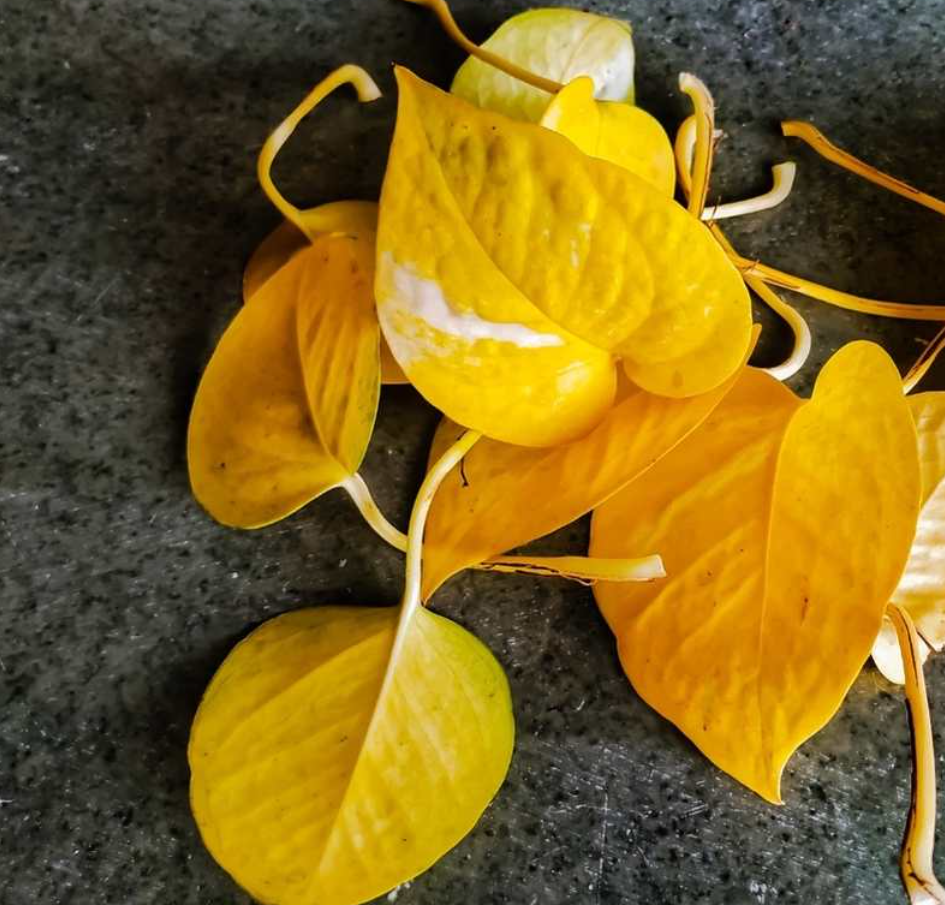
Pale leaves in Pothos can stem from several underlying issues, including:
- Light problems: Too much direct sunlight or too little light.
- Nutritional deficiencies: Lack of essential nutrients, especially nitrogen.
- Overwatering or poor drainage: Leading to root stress or rot.
- Root problems: Such as compacted soil or pests affecting root health. Understanding these causes helps in tailoring the right response, rather than merely guessing or applying random fixes.
Section 2: Diagnosing the Exact Cause
Follow diagnostic steps to pinpoint the issue
To determine why your Pothos’s leaves are pale, perform the following assessments:
Cause 1: Insufficient Light
Pothos thrives in bright, indirect sunlight. If placed in a dark corner or behind heavy curtains, it can become leggy and its leaves may pale as chlorophyll production diminishes. Conversely, direct, harsh sunlight can scorch leaves, leading to pale, bleached patches. How to tell: Observe your plant’s placement relative to windows, and look for signs of sunburn (bleached or crispy patches). If the plant is far from light or in deep shade, it’s likely suffering from insufficient light.
Cause 2: Nutrient Deficiency
A lack of nitrogen or other vital nutrients results in less chlorophyll, the pigment responsible for green color. Pale or yellowish leaves, especially older ones, often indicate this deficiency. How to tell: Has it been a while since you fertilized your plant? Are the yellowing leaves concentrated on older foliage? These are signs of nutrient deficiency.
Cause 3: Overwatering or Poor Drainage
Excess water can lead to root rot, which hampers nutrient uptake and causes leaves to pale, wilt, or drop. Check the soil—if it’s waterlogged or smells sour, overwatering is likely. How to tell: Feel the soil’s moisture level and examine roots if possible. Mushy, dark roots indicate rot.
Summary of diagnostic signs:
- Light issues: Pale leaves on plants placed in poor light or direct sunburn.
- Nutrient issues: Old, yellow leaves with no signs of pests or root problems.
- Water issues: Waterlogged soil, mushy roots, and widespread leaf discoloration.
Section 3: Treatment Solutions
Implement targeted fixes for each identified cause
Once you’ve identified the culprit, follow these practical steps to revive your Pothos:
Immediate actions:
- Adjust lighting: Move your plant to a spot with bright, indirect light—away from direct sun but where it still receives good ambient light.
- Review watering schedule: Allow the soil to dry out slightly before watering again. Make sure the pot has drainage holes to prevent excess moisture.
- Fertilize appropriately: Use a balanced, water-soluble fertilizer diluted to half strength. Fertilize once every 4-6 weeks during the growing season.
Long-term care:
- Enhance soil quality: Repot with well-draining potting mix rich in organic matter.
- Control watering: Water only when the top inch of soil feels dry. Avoid letting the plant sit in water.
- Ensure proper environmental conditions: Maintain temperature around 65-85°F (18-29°C), avoid drafts, and keep humidity moderate.
Monitoring recovery:
- Keep a close eye on your Pothos over the next few weeks.
- Look for new, healthy green growth and gradual deepening of leaf color.
- Remove any remaining severely yellow or damaged leaves to encourage new healthy growth.
Section 4: Prevention Tips
Adopt habits that keep your Pothos healthy and vibrant
Prevention is always better than fixing, so incorporate these habits into your plant care routine:
- Consistent fertilization: Feed your Pothos during the growing season with a balanced fertilizer.
- Proper watering: Develop a regular schedule that matches the plant’s needs, avoiding both over- and underwatering.
- Ideal light placement: Place your Pothos where it can receive bright, indirect light—east-facing windows are often perfect.
- Environmental stability: Keep consistent temperature and humidity levels, and shield the plant from drafts and sudden temperature changes. By integrating these habits, you’ll help your Pothos maintain vibrant, lush leaves year-round.
Conclusion
Pale leaves on your Pothos are usually fixable via some straightforward diagnostic steps and care adjustments. Often, a bit of trial and error—such as improving lighting, adjusting watering, and providing the right nutrients—can bring your plant back to a healthy, vibrant condition. Remember, patience is key; new, healthy leaves will emerge if you stay attentive to your plant’s needs. With these easy solutions and prevention tips, you can confidently care for your Pothos and keep its foliage rich and lively. Don’t be discouraged—your plant’s best days are ahead!
Q: How long until I see improvement after fixing the issue?
A: Typically, you should start seeing signs of improvement within 2-4 weeks. New leaves will be greener and sturdier, and existing pale leaves may gradually recover or be replaced by healthier foliage.
Q: Can my Pothos fully recover from pale leaves?
A: Yes, with proper care and adjustments, most Pothos plants can fully recover. Sometimes, severely damaged leaves won’t regain their color but will be replaced over time by new healthy growth.
Q: Should I prune the pale leaves or leave them to recover?
A: It’s best to prune severely yellow or damaged leaves to encourage new growth and prevent potential disease. Healthy leaves should be left intact to continue photosynthesis and support overall plant vigor.
By attentively diagnosing and addressing the root causes of pale leaves, you’ll ensure your Pothos stays lush, vibrant, and thriving. Happy gardening!