Quick Summary: Sticky leaves on your Snake Plant can be unsettling, but they’re often caused by pests or environmental factors that are easy to fix. With proper diagnosis and care, your plant can recover and stay healthy.
Introduction
Noticing sticky leaves on your Snake Plant can be worrying—it's natural to feel concern when your beloved houseplant starts showing unusual symptoms. You might wonder, “Is it sick? Is it dying? What should I do?” Rest assured, this issue is quite common and typically easy to address with some attention and care. Dealing with sticky, glossy leaves can feel frustrating, especially if you’re unsure of the cause. But understanding what’s behind the sticky residue is the first step toward solving the problem. Whether it’s caused by pests like scale insects or environmental stressors, there are effective treatments to restore your Snake Plant’s health. In this guide, I’ll walk you through how to identify the cause of sticky leaves, diagnose the specific problem, and apply practical solutions—natural or chemical—to help your plant bounce back. Remember, most cases are fixable, and your Snake Plant can thrive again with a little patience and proper care. Let’s dive into what’s causing those sticky leaves and how to get your plant back in top shape.
Section 1: Understanding the Problem
Sticky leaves on Snake Plants are usually a sign that something isn’t quite right, often due to pests or environmental factors. Recognizing the visual signs and smells is crucial for diagnosing the issue.
Visual Identification
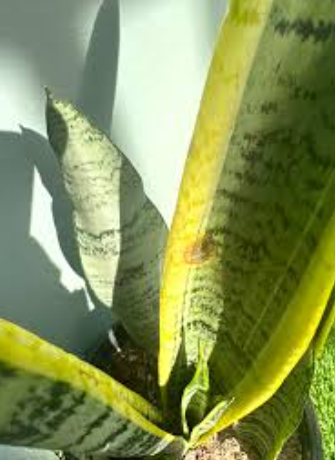
- A glossy, sticky film or smear on the leaves, often resembling sap or honey.
- Small insects such as scale insects or mealybugs that may be seen on the leaf surface or stems.
- Sometimes webbing or fuzzy spots indicate pest activity.
- Leaves might appear damp or sticky to touch, with some showing signs of damage like yellowing or leaf drop.
- Notice any foul or fermented smell, which can indicate decayed pest matter or mold.
Common Causes Overview
- Pests like Scale Insects and Mealybugs feed on plant sap and excrete honeydew, which forms the sticky residue.
- Environmental factors such as sap-sucking pests or damage from pruning or handling can also cause sticky exudate.
- While less common, fungal or bacterial infections can sometimes produce a slimy or sticky surface, but usually accompanied by other symptoms like spots or mold.
Section 2: Diagnosing the Exact Cause
To effectively treat your Snake Plant, you need to pinpoint what’s causing the sticky leaves. Here’s a simple step-by-step to help you narrow down the culprit.
Cause 1: Sap-Sucking Insects (Scale, Mealybugs, Aphids)
- Symptoms: Tiny, oval-shaped or fuzzy insects on leaves or stems, often stationary. The sticky residue is honeydew excreted by these pests.
- How to Confirm: Gently wipe a leaf with a cloth or magnifying glass and look for insects or their shells (scale insects look like small, armored bumps; mealybugs are fuzzy and white).
- Why it Happens: These pests feed on plant sap, weakening your plant. They thrive in warm, humid environments.
Cause 2: Environmental Stress or Damage
- Symptoms: Slight stickiness without obvious insects, often after pruning or handling.
- How to Confirm: Check for wounds or bruises; stress can cause the plant to excrete sap as a defense.
- Why it Happens: Physical injury or overwatering can cause the plant to produce excess sap or sticky exudate.
Cause 3: Fungal or Bacterial Infections
- Symptoms: Slimy or sticky patches, often with spots, mold, or a foul odor—less common.
- How to Confirm: Look for fuzzy mold, discoloration, or other infection signs, and smell the plant.
- Why it Happens: Often results from overwatering or poor airflow promoting microbial growth.
Quick Diagnostic Checklist:
- Are there visible insects or shells? (Yes → Cause 1)
- Is there webbing or fuzzy residue? (Yes → Cause 1)
- Is the stickiness localized or widespread? (Localized → Cause 1 or 2; Widespread + smell → Cause 3)
- Are there damaged or injured leaves? (Yes → Cause 2)
- Is there mold growth or an unpleasant odor? (Yes → Cause 3)
Section 3: Treatment Solutions
Depending on what you find during diagnosis, here are tailored solutions to eliminate the cause and restore your Snake Plant’s health.
Immediate Actions (First 24–48 Hours)
- Isolate your plant to prevent pests from spreading to others.
- Gently remove pests by hand, using a soft cloth or cotton swab dipped in alcohol for scale insects.
- Wipe leaves with a damp cloth (use lukewarm water) to remove honeydew, dust, and loose pests.
- Prune heavily infested leaves if necessary, using clean scissors or pruning shears.
Chemical Remedies
- Insecticidal Soap: Dilute according to the label instructions and spray directly on pests and affected leaves.
- Neem Oil: Mix a 1% solution (1 teaspoon neem oil per liter of water), and spray on the plant, covering all surfaces.
- Follow product instructions carefully to avoid damaging your plant.
Natural Remedies
- Soap and Water Solution: Mix a few drops of mild dish soap with water, and spray or wipe leaves.
- Hydrogen Peroxide Solution: Mix 1 part 3% hydrogen peroxide with 4 parts water; spray onto pests to kill them.
- Repeat application every 7–10 days until pests are gone.
Long-Term Care & Prevention
- Regular Inspection: Check your Snake Plant weekly for early signs of pests.
- Proper Watering: Avoid overwatering; water only when the top inch of soil feels dry.
- Maintain airflow and humidity: Good circulation discourages pest buildup.
- Healthy environment: Keep the plant in bright, indirect light and avoid sudden temperature fluctuations.
What to Expect During Recovery
- Pests should start to diminish within a few days to a week after treatment.
- Leaves may need gentle cleaning if sticky residue remains.
- In severe cases, some leaves may need trimming if heavily damaged.
- Consistent monitoring will prevent future infestations.
Section 4: Prevention Tips
Prevention is key to keeping your Snake Plant free of pests and sticky issues.
Care Routine Adjustments
- Water sparingly, only when the top inch of soil dries out, to prevent overwatering and root rot.
- Use well-draining soil to avoid excess moisture.
- Inspect new plants before introducing them to your collection for pests.
Environmental Factors to Monitor
- Keep humidity moderate—most Snake Plants prefer dry to moderate humidity.
- Ensure the plant gets bright, indirect light to stay healthy.
- Avoid sudden temperature drops or drafts, which stress the plant.
- Improve airflow around your plant with spacing or fans.
Frequently Asked Questions
Q: How long until I see improvement after treatment?
A: Most pests and sticky residue should diminish within 1–2 weeks after consistent treatment. You may need to reapply insecticidal soap or neem oil every 7–10 days until pests are fully eradicated.
Q: Will my Snake Plant fully recover from pest damage?
A: Yes, with prompt and thorough treatment, Snake Plants can recover. Some show minor leaf damage, but most will bounce back with healthy new growth.
Q: How often should I inspect my plant for pests?
A: Check your Snake Plant at least once a week—especially during warmer months—so you can catch any pest issues early before they spread.
Conclusion
Key Takeaways:
- Sticky leaves are a sign of pests like scale insects and mealybugs or environmental stress.
- Careful diagnosis—looking for insects, webs, mold, and damage—is crucial.
- Effective treatments include hand removal, natural sprays like neem oil, and maintaining proper plant care.
- Regular inspections and preventive habits will keep your Snake Plant thriving without sticky surprises. Remember, you’re not alone in caring for your Snake Plant! With understanding and patience, you can resolve this issue and enjoy a healthy, beautiful plant once again. Keep observing, acting promptly, and your green friend will thank you with vibrant growth and lush, glossy leaves.