Quick Summary: White fuzz on your Fiddle Leaf Fig can be alarming, but often it’s a manageable issue caused by pests or fungal growth. With proper diagnosis and care, your plant can recover beautifully.
Introduction
Noticing strange white fuzz on your Fiddle Leaf Fig might make you worry about its health—after all, it’s your beloved indoor tree that’s brought joy to your space. It’s completely normal to feel concerned when something unusual appears, especially if you’re new to plant parenting. The good news is, that white fuzz is usually a sign of a treatable problem, like pests or fungal infection, and doesn’t mean your plant is doomed. In this guide, we’ll walk through what this white fuzz is, how to identify its cause, and provide simple, effective steps to eliminate it. Whether it’s a pest invasion or mold, you’ll learn natural and safe remedies to protect your Fiddle Leaf Fig, restore its health, and help it flourish again. Remember, every plant problem is an opportunity to learn and improve your care routine—you're not alone in this, and with patience, your Fiddle Leaf Fig can bounce back stronger than ever!
Section 1: Understanding the Problem
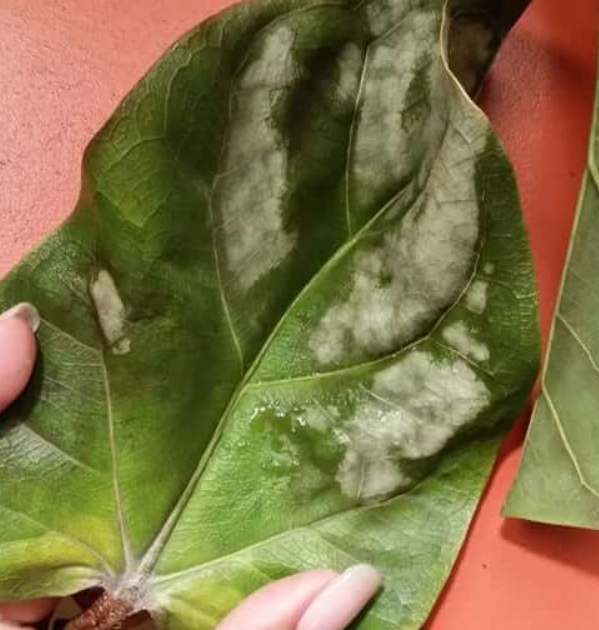
White fuzz on your Fiddle Leaf Fig usually appears as a soft, cottony, or powdery covering on leaves or stems. It can look like a fluffy cloud or dusty coating and is typically easy to spot. This symptom is significant because it indicates an imbalance or an infestation that needs attention.
Visual Identification of White Fuzz
- Cotton-like or fluffy appearance on leaf surfaces or stems
- Often covers the undersides of leaves or the stems near the soil
- May be accompanied by sticky residue or tiny insects if pests are involved
- Might appear discolored or yellowed leaves if the plant is stressed
Common Causes Overview
White fuzz may stem from:
- Pests such as mealybugs or scale insects, which produce cottony or velvety coverings
- Fungal infections, especially powdery mildew, that manifest as a white powdery growth
- Environmental factors, like high humidity spreading mold spores or accidental transfer of spores from other plants Understanding these causes is key to choosing the right treatment—so don’t worry, most issues are solvable with some care and the right remedies!
Section 2: Diagnosing the Exact Cause
To effectively treat your Fiddle Leaf Fig, it’s crucial to determine whether pests, fungi, or environmental issues are causing the white fuzz. Here’s a step-by-step guide:
Cause 1: Mealybugs or Other Sap-Sucking Insects
- Symptoms: Tiny, oval-shaped insects covered in white, cottony fluff; sticky residue called honeydew that encourages mold growth.
- How to Confirm: Gently rub a cotton swab dipped in alcohol on affected areas. If insects come off or leave a sticky stain, pests are present.
- Why It Happens: These pests feed on plant sap, weakening your plant and creating a white, fuzzy shield.
Cause 2: Fungal Infections such as Powdery Mildew or Mold
- Symptoms: White, powdery patches resembling flour on the leaves, stems, or even the pot surface.
- How to Confirm: Wipe the fuzzy area with a damp cloth. If it crumbles into powder or powdery coating remains, it’s likely fungal.
- Why It Happens: Excess humidity, poor air circulation, or spores transferred from humid environments foster fungal growth.
Cause 3: Environmental Issues or Accidental Spore Transfer
- Symptoms: White fuzz appearing in patches, sometimes with visible mold on soil surface or nearby objects.
- How to Confirm: Check humidity levels—high moisture favors mold. Recent contact with other infected plants or contaminated tools can introduce spores.
- Why It Happens: Stale air, overwatering, or environmental conditions promoting spore proliferation.
How to Tell the Difference
- Inspect Leaves and Stems: Look for tiny insects or their eggs—mealybugs often hide in leaf axils.
- Check for Powdery Residue: Fungal growth is powdery and easily rubs off.
-
Examine Overall Conditions: Is the environment overly humid or stagnant? Use this checklist to narrow down the cause:
-
Insect presence + sticky residue? Likely pests.
- Powdery coating + dry, warm conditions? Likely fungal.
- Damp, moldy spots + recent plant contact? Possibly environmental spores.
Section 3: Treatment Solutions
Once you identify the cause, follow the tailored treatment steps below. Remember, consistency is key to recovery.
Immediate Actions (First 24–48 Hours)
- Gently wipe affected leaves and stems with a soft, damp cloth or a cotton swab dipped in soapy water to remove white fuzz.
- Isolate your plant from others to prevent possible pest spread or fungal contamination.
- Remove any fallen leaves or debris from the soil surface—cleanliness helps prevent reinfection.
Natural Remedies
- For Pests (Mealybugs, Scale):
- Use an insecticidal soap or ** neem oil spray**. Follow label instructions—generally, spray on affected areas every 7 days.
- Alternatively, lightly dab insects with a cotton swab soaked in 70% isopropyl alcohol to kill pests on contact.
- Hydrogen peroxide (3%) diluted with water (1:3 ratio) can also disinfect small infestations—spray lightly.
- For Fungal Infections:
- Apply a fungicidal solution designed for houseplants, like potassium bicarbonate or copper-based fungicides.
- Use baking soda spray: mix 1 teaspoon baking soda in 1 quart water, add a few drops of liquid soap, then spray affected areas.
Chemical Options
- Use with caution: opt for plant-safe fungicides or insecticides approved for indoor use.
- Follow label instructions precisely to avoid harming your plant or yourself.
Long-Term Care
- Water properly—allow the top inch of soil to dry out between watering.
- Ensure bright, indirect light to bolster plant health.
- Maintain optimal humidity: around 40-60%, avoiding excessive moisture.
- Monitor regularly for early signs of pests or mold, catching issues before they worsen.
During Recovery
- Keep an eye on your Fiddle Leaf Fig—improvements should be visible within 2-3 weeks if treatment is effective.
- Continue treatments weekly for pests, or biweekly for fungal issues, until the problem subsides.
- If symptoms persist after 4–6 weeks, consider consulting an indoor plant specialist.
Section 4: Prevention Tips
Prevention is always better than cure! Here’s how to keep your Fiddle Leaf Fig healthy and free from white fuzz in the future:
- Maintain proper humidity: Keep levels around 40-60%. Use a humidifier or place a water tray nearby, but avoid overwatering.
- Regular inspection: Check your plant weekly, paying special attention to undersides of leaves and stems for early signs of pests or mold.
- Keep your environment clean: Remove fallen leaves, clean tools, and sanitize pots and shelves periodically.
- Use preventive treatments: Lightly spray with neem oil or insecticidal soap every month, especially if you notice pests on other plants.
- Optimize growing conditions: Provide bright, indirect light, and water only when the top inch of soil feels dry. Avoid over-fertilizing, which can weaken your plant’s defenses. Implementing these tips fortifies your plant’s defenses, making future issues less likely and ensuring your Fiddle Leaf Fig stays healthy and vibrant.
Frequently Asked Questions
Q: How long until I see improvement after treatment?
A: Usually, you’ll notice clearer, fuzz-free leaves within 2–3 weeks if treatments are effective. Pests should diminish with consistent application, and fungal growth may fade as you improve humidity and airflow.
Q: Can I use household remedies for the white fuzz, or do I need chemical treatments?
A: Natural remedies like neem oil, insecticidal soap, and baking soda are safe and effective for most cases. Chemical options are available but should be used cautiously and as a last resort, always following instructions.
Q: Should I prune parts of my Fiddle Leaf Fig that are heavily affected?
A: Yes, if certain leaves or stems are severely infested or moldy, pruning can help prevent spread and encourage healthy new growth. Use sterilized scissors and dispose of pruned material far from your plant.
Conclusion
Key Takeaways:
- White fuzz on your Fiddle Leaf Fig often results from pests like mealybugs or fungal issues like powdery mildew.
- Careful diagnosis—by inspecting for insects, powdery residue, or environmental factors—is crucial.
- Targeted treatments such as insecticidal soap, neem oil, or fungicides can eliminate the problem.
- Prevention involves proper humidity, routine inspections, cleanliness, and healthy growing conditions.
- With patience and attentive care, your plant can recover and thrive again! Remember, you’re doing a great job caring for your plant. Each step you take not only fixes current issues but also builds a stronger, healthier environment for your Fiddle Leaf Fig. Keep observing, adjusting, and nurturing—soon, your plant will look lush and pristine once more!
Feel free to revisit this guide whenever you notice white fuzz creeping in again. Your commitment makes all the difference in your green journey!