Struggling with soft leaves on your fiddle leaf fig? Discover causes, diagnosis steps, and practical solutions to revive your plant's health easily.
Introduction
Noticing your fiddle leaf fig's leaves becoming soft and limp can be quite alarming, especially when you've invested so much care into nurturing it. This common issue often leaves plant enthusiasts worried about the health of their beloved indoor trees. But don’t worry—soft leaves on stems are usually manageable once you identify the root cause. With a clear understanding and some simple adjustments, your fiddle leaf fig can bounce back to vibrant health. In this article, we'll explore why your fiddle leaf fig's leaves may turn soft, how to diagnose the exact cause, and practical steps to restore your plant’s vitality. Whether you’re a seasoned plant parent or an intermediate enthusiast, these tips will help you confidently care for your fiddle leaf fig and prevent future issues.
Section 1: Understanding the Problem
Visual Identification of Soft, Limp Leaves on Stems
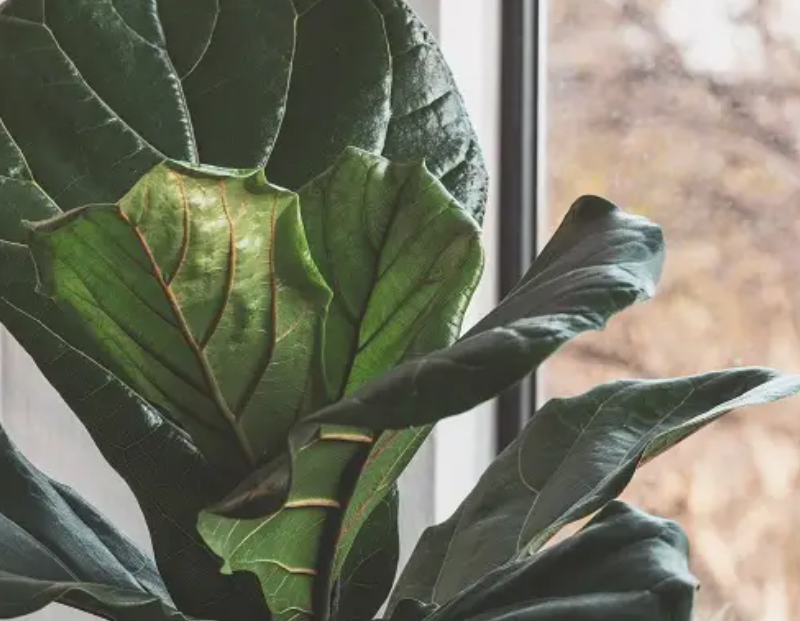
The first step is recognizing the problem. Soft leaves on your fiddle leaf fig typically appear limp, drooping, or sagging. They may feel floppy rather than firm and resilient. When you gently touch these leaves, they often feel waterlogged or rubbery—an indicator that something is amiss. Look closely at your plant:
-
Are the leaves losing their rigidity?
-
Do they hang limply without bounce?
- Are some leaves turning yellow or brown, indicating underlying issues? If so, soft, limp leaves on stems are a clear sign that your plant is experiencing stress or imbalance.
Common Causes of Soft Leaves
Several factors can cause soft leaves in fiddle leaf figs, including:
- Overwatering: Excess water can lead to root rot, causing the plant to absorb less oxygen and resulting in limp leaves.
- Underwatering: On the flip side, insufficient water causes dehydration, leading leaves to wilt and become soft.
- Low Humidity: Fiddle leaf figs prefer moderate to high humidity. Dry air can make leaves limp and dull.
- Root Problems: Root rot, pests, or compacted soil can impair nutrient uptake, manifesting as soft, unhealthy leaves.
- Environmental Stress: Sudden temperature changes, drafts, or direct cold exposure can weaken plant tissues. Understanding these causes provides a foundation for accurate diagnosis and effective treatment.
Section 2: Diagnosing the Exact Cause
Step-by-Step Process to Pinpoint the Cause
Diagnosing why your fiddle leaf fig has soft leaves involves examining several aspects of its environment and health.
Cause 1: Overwatering Leading to Root Rot or Edema
- Symptoms: Mushy or blackened roots, foul smell from the soil, soggy potting mix.
- Diagnosis: Gently remove the plant from its pot to inspect roots. Healthy roots are firm and white; rotted roots are brown or black and feel slimy.
Cause 2: Underwatering Causing Dehydration and Limpness
- Symptoms: Dry, brittle soil; leaves feel dry and wilted.
- Diagnosis: Check soil moisture — if the soil is completely dry several inches down, your plant is underwatered.
Cause 3: Low Humidity or Environmental Stress
- Symptoms: Leaves are limp but soil moisture is adequate.
- Diagnosis: Assess your environment—if your home is dry, especially in winter, low humidity is likely a factor.
How to Tell Which Cause Applies to Your Plant
- Soil and roots: Remove a small amount of soil and examine roots.
- Soil moisture: Use a moisture meter or stick your finger 2-3 inches into the soil.
- Environmental clues: Note recent changes in temperature, drafts, or heating vents near the plant. By carefully evaluating these aspects, you can identify whether overwatering, underwatering, or environmental factors are causing soft leaves.
Section 3: Treatment Solutions
Immediate Actions
Once you've diagnosed the cause, take targeted steps:
- Overwatering / Root Rot: Remove the plant from its pot, trim away any rotten roots with sterilized scissors, and repot in fresh, well-draining soil. Allow the root system to dry out before watering again.
- Underwatering: Water thoroughly, ensuring excess water drains out. Elevate humidity by misting leaves or placing a humidifier nearby.
- Low humidity: Increase ambient moisture with a pebble tray, humidifier, or grouping plants together.
Long-Term Treatment Plan
- Establish a consistent watering schedule: Water only when the top inch of soil feels dry.
- Optimize environment: Place your fiddle leaf fig in bright, indirect light, away from drafts and cold windows.
- Fertilize appropriately: During the growing season, feed with a balanced houseplant fertilizer to promote healthy leaf growth.
What to Expect During Recovery
Signs of improvement include firmer, more resilient leaves, new growth, and overall plant vigor. It may take a few weeks for your fiddle leaf fig to fully recover, so patience and consistent care are key.
Section 4: Prevention Tips
Maintain Your Fiddle Leaf Fig’s Health
Prevention is always better than cure. Here are practical tips to keep your plant thriving:
- Regularly monitor soil moisture: Use a moisture meter or stick your finger into the soil weekly.
- Create ideal environmental conditions: Provide bright, indirect light and maintain humidity around 50-60%.
- Routine inspection: Check for pests, yellowing leaves, or other signs of distress.
- Prune damaged leaves: Remove any soft, brown, or yellow leaves to encourage healthy new growth and prevent disease spread. By establishing these habits, you can significantly reduce the risk of future soft leaf issues.
Conclusion
Recap of Key Points
Soft leaves on stems are a common concern for fiddle leaf fig owners, often caused by overwatering, underwatering, low humidity, or root problems. Accurate diagnosis involves inspecting roots, soil moisture, and environmental factors. Immediate and long-term treatments—such as adjusting watering, improving humidity, and repotting—are essential for recovery.
Encouragement
Remember, with attentive care and a little patience, your fiddle leaf fig can recover from soft, limp leaves and flourish once again. Plants are resilient, and your efforts will pay off as you see your indoor tree regain its strength and beauty.
Next Steps
Apply the suggested care adjustments, keep a close eye on your plant’s progress, and continue regular health checks. Your dedication will ensure your fiddle leaf fig remains a lively, vibrant centerpiece in your home.
FAQ
Q: How long until I see improvement after adjusting watering?
A: Typically, you can expect to see signs of recovery within 2 to 4 weeks. The leaves may gradually firm up, and new growth might appear. Consistency in watering and environmental conditions is crucial during this period.
Q: Can my fiddle leaf fig fully recover from soft leaves?
A: Yes, with proper care, many plants recover fully. The key is addressing the underlying cause promptly, whether it’s overwatering, underwatering, or environmental stress. In some cases, damaged leaves may not recover, but new healthy growth will replace them.
Q: Should I prune the soft or damaged leaves?
A: Yes, pruning soft, yellow, or brown leaves helps prevent disease and encourages new, healthy growth. Use sterilized scissors or pruning shears, and cut just above a healthy node or leaf stem.
Taking care of a fiddle leaf fig with soft leaves requires patience and attentiveness, but your efforts can turn around even the most stressed plants. Happy gardening!