Are you noticing your Rubber Plant stretching tall and becoming sparse? Don’t worry—this is a common challenge faced by many indoor plant enthusiasts. Leggy growth can make your plant look unhealthy, but with some simple adjustments and care, you can restore its lushness and vitality. In this comprehensive guide, we’ll explore why Rubber Plants become leggy, how to diagnose the root cause, practical solutions to fix the issue, and tips to prevent future legginess. With patience and proper care, your Rubber Plant can thrive and become the gorgeous, full centerpiece you desire.
Section 1: Understanding the Problem
Visual Identification: What Does Leggy Growth Look Like?
Leggy growth in a Rubber Plant (Ficus elastica) typically appears as tall, stretched-out stems with sparse or small leaves. The plant looks elongated, often reaching excessively toward nearby windows or light sources. The stems may be thin and weak, giving the overall plant a scraggly or sparse appearance. It often feels as though the plant is "stretching itself" in search of light, with little density or fullness in its foliage.
Common Causes Overview
Several factors contribute to legginess in Rubber Plants:
- Inadequate Light: The most common cause; the plant stretches toward available light when insufficient.
- Over-fertilization: Excess nutrients can cause rapid, weak growth that doesn’t develop into dense foliage.
- Rapid Growth Conditions: Warm temperatures and high humidity promote quick but leggy growth if not managed properly. Understanding these causes sets the foundation for effective fixes.
Section 2: Diagnosing the Exact Cause
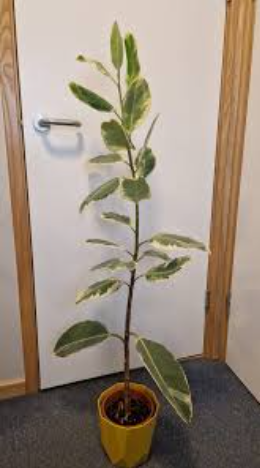
Step-by-Step Guide to Diagnose Why Your Rubber Plant is Leggy
Cause 1: Insufficient Light
Observe your plant. Are the stems elongated with new leaves growing farther apart? Is the plant leaning or reaching toward windows?
Solution: If yes, your Rubber Plant likely needs more light.
Cause 2: Excessive Fertilizer
Check when you last fertilized. Are the stems weak, colorless, or the plant showing rapid but sparse growth?
Solution: Over-fertilized plants often produce weak, elongated growth.
Cause 3: Overwatering or Poor Soil
Weak, limp stems and yellowing or dropped leaves may signal stress from overwatering or poor soil health.
Solution: Examine the soil for drainage issues; it should be well-draining and slightly moist, not soggy.
How to tell which cause applies to your plant:
- Light exposure: Is your plant placed in a shady corner or a bright, indirect light spot?
- Fertilization schedule: Have you recently applied fertilizer?
- Watering habits: How often do you water? Is the soil consistently wet or too dry? Accurate diagnosis is key to selecting the most effective correction method.
Section 3: Treatment Solutions
Immediate Actions
- Relocate to Brighter Light: Move your Rubber Plant to a spot with bright, indirect sunlight. A south or east-facing window is ideal. If natural light is limited, supplement with grow lights.
- Prune Leggy Stems: Using clean, sharp scissors or pruning shears, trim away the stretched-out, weak stems just above a leaf node. This stimulates bushier growth and redirects energy into lateral branches.
Long-term Treatment
- Establish Proper Watering Routines: Allow the top inch of soil to dry out before watering again. Consistent, moderate watering prevents stress that leads to legginess.
- Balanced Fertilization: Feed your Rubber Plant with a balanced, organic houseplant fertilizer once a month during active growth seasons (spring and summer). Reduce feeding in fall and winter.
- Natural Remedies: Consider applying neem oil or organic foliar feeds that promote healthy growth, making your plant less prone to legginess.
Optional Support Measures
- Repotting: If roots are crowded or soil is depleted, repot in a slightly larger container with fresh, well-draining soil to support robust growth.
- Staking: Use bamboo stakes or plant supports to prop up tall stems while encouraging lateral, bushy growth.
Section 4: Prevention Tips
Regular Pruning and Pinching
- Remove any leggy, weak stems as soon as you notice them. Pinching or trimming encourages the plant to produce new branches, resulting in a fuller appearance.
Optimize Light Conditions
- Place your Rubber Plant where it can receive bright, filtered light for most of the day. If natural light is limited, install grow lights to supplement.
Consistent Fertilization Schedule
- Develop a balanced fertilization routine aligned with the plant's growth cycle. Avoid overfeeding to prevent rapid, weak growth.
Monitoring Watering
- Stick to a watering routine that keeps the soil moist but not waterlogged. Proper watering reduces stress and promotes dense, healthy foliage.
Conclusion
In summary, legginess in Rubber Plants is frequently caused by insufficient light, but can be effectively fixed through thoughtful pruning, improved lighting, and proper care routines. With patience, your plant will regain its lush, full shape and vibrant health. Remember to regularly assess your plant’s environment and establish consistent care habits. Next steps:
- Evaluate your Rubber Plant’s current lighting, watering, and fertilization practices.
- Implement the suggested fixes—such as relocating it to brighter light and pruning leggy stems.
- Keep monitoring and nurturing your plant, and enjoy the reward of a beautifully bushy Rubber Plant that enhances your indoor space.
Q: How long does it take for a Rubber Plant to recover from legginess?
A: Recovery time varies depending on the severity of legginess and care adjustments. Typically, you can see noticeable improvements within 4 to 8 weeks after providing adequate light, pruning, and proper watering. Consistency is key to encouraging bushier, healthier growth.
Q: Can I prune my Rubber Plant to encourage bushiness without harming it?
A: Absolutely! Pruning is a safe and effective way to promote fuller growth. Make clean cuts just above a leaf node or lateral branch, and your plant will respond by producing new shoots and filling out over time.
Q: Is adding grow lights effective for fixing leggy growth?
A: Yes, grow lights are highly effective, especially if natural sunlight is limited. They help simulate sunlight, encouraging balanced growth and preventing the plant from stretching towards light sources. Choose full-spectrum LED or fluorescent grow lights and place them about 12-18 inches above your plant for best results.
By following these tips and understanding the causes behind leggy growth, you're well on your way to nurturing a robust, attractive Rubber Plant that adds life and greenery to your home. Happy gardening!